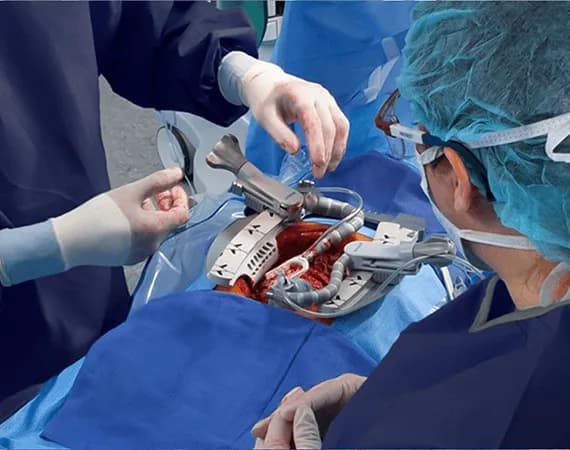
Trust Apex Hospitals Cardiology Department for the best treatment of heart diseases. Our top cardiologists use advanced techniques to provide exceptional care in Rajasthan.
Fill in your details to get started
Apex Hospitals' Cardiology Department offers complete cardiac care from diagnosis to complex intervention and surgery, with cardiologists available across our Malviya Nagar, Bikaner, Sawai Madhopur, and Jhunjhunu units. Our Malviya Nagar department performs 300+ cardiac surgeries and 600+ angioplasties every year, led by Dr. B. M. Goyal, Director — Cardiac Sciences and Interventional Cardiology, supported by a fully equipped Cardiac and CTVS ICU and advanced technology including IVUS and ROTA.
300+ Cardiac Surgeries Yearly | 600+ Angioplasties Yearly | Equipped Cardiac & CTVS ICU | IVUS & ROTA Equipped |
What is Cardiology?
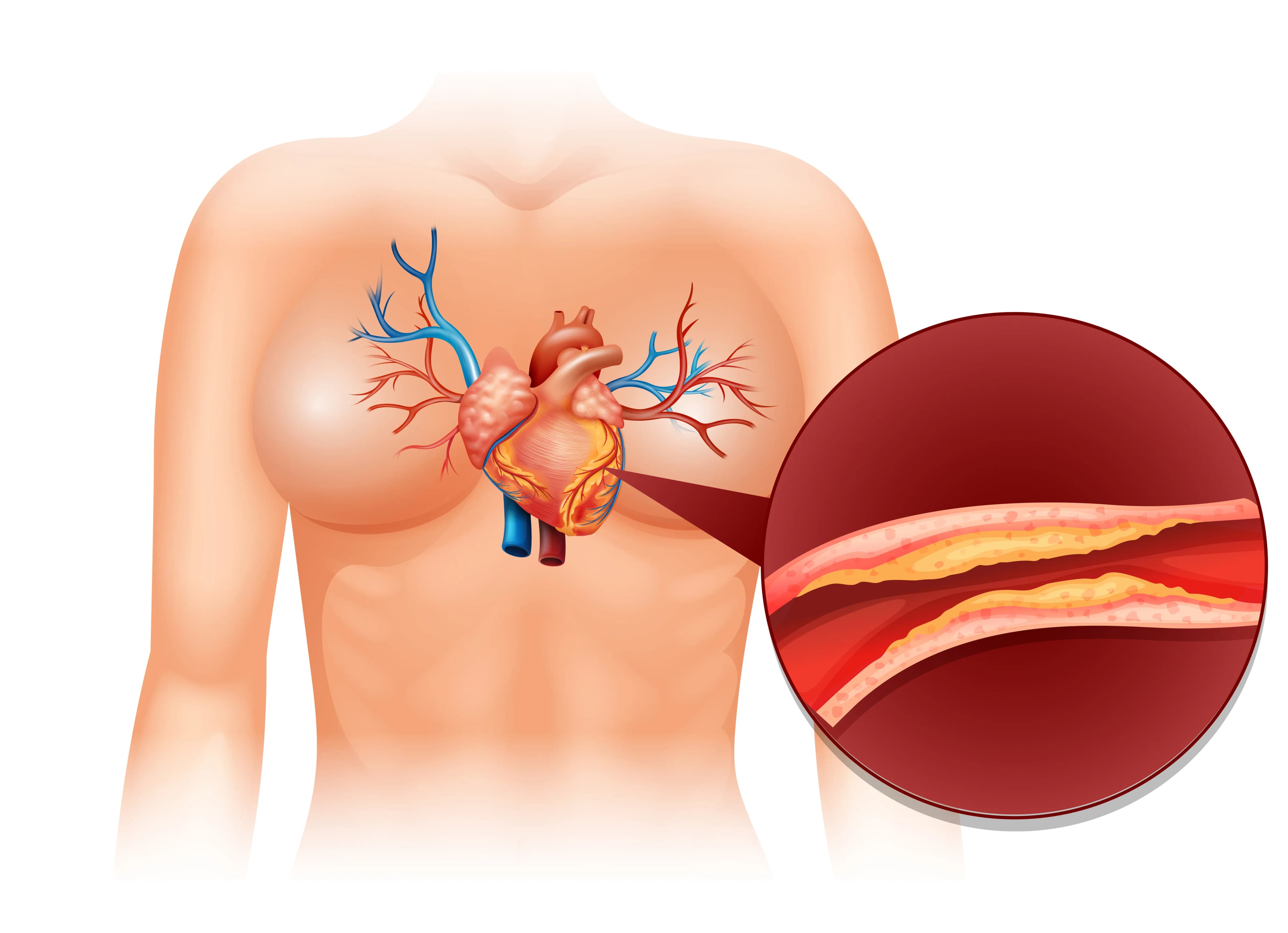
Cardiology is the branch of medicine that diagnoses and treats diseases of the heart and blood vessels, including coronary artery disease, heart attack, heart failure, valvular disease, and heart rhythm disorders.
Heart disease remains one of the leading health concerns affecting people of all ages, ranging from congenital heart defects present at birth to age-related conditions like coronary artery disease and valvular disease. Our cardiologists treat the entire spectrum of cardiac problems, including congenital heart disease, stroke, coronary artery disease, heart attack, heart failure, heart rhythm disorders, and valvular disease.
Our Cardiology Department follows a multidisciplinary approach, bringing together cardiologists, cardiac surgeons, interventional radiologists, and other specialists to provide comprehensive, patient-centred care. This team-based model, combined with advanced diagnostic and interventional technology, helps achieve better outcomes for even the most complex cardiac cases.

Conditions We Treat
Coronary Artery Disease Narrowing or blockage of the arteries supplying blood to the heart, the leading cause of heart attacks. | Heart Attack (Myocardial Infarction) Sudden blockage of blood flow to the heart muscle, requiring emergency treatment to limit damage. | Heart Failure A condition where the heart is unable to pump blood efficiently, requiring ongoing medical management. |
Heart Rhythm Disorders (Arrhythmia) Irregular heartbeats that may require monitoring, medication, or device therapy such as a pacemaker. | Valvular Heart Disease Malfunction of one or more heart valves, disrupting normal blood flow through the heart. | Congenital Heart Disease Heart defects present since birth, such as ASD, which may require device closure or surgical correction. |
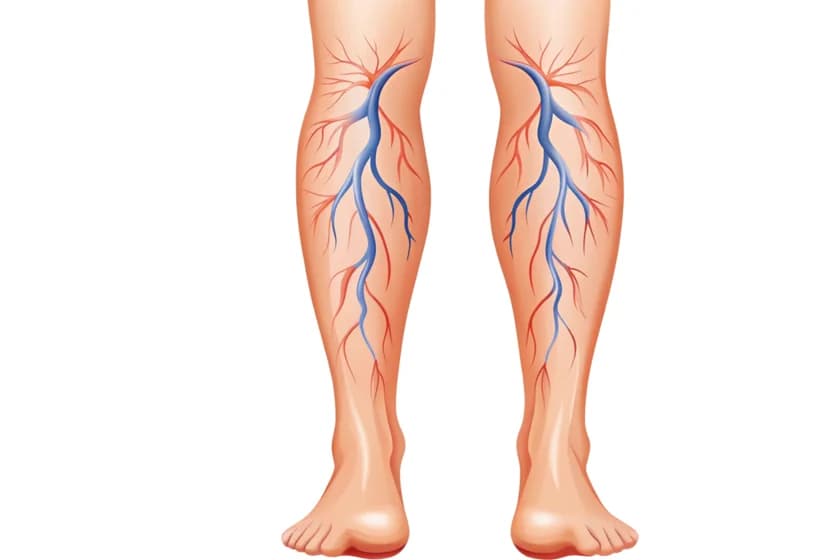
Stroke Sudden interruption of blood supply to the brain, often linked to underlying heart and vascular disease. | Aortic Aneurysm A dangerous bulging of the aorta carrying a risk of rupture, requiring surgical repair. | Peripheral Artery Disease Narrowing of arteries supplying the limbs, diagnosed and treated through peripheral angiography and angioplasty. |
See Us If You Experience
● Chest pain, pressure, or tightness
● Breathlessness during routine activity
● Palpitations or an irregular heartbeat
● Sudden weakness, numbness, or difficulty speaking (possible stroke)
● Swelling in the legs or ankles
● Fainting or dizziness
● Leg pain while walking that improves with rest (possible peripheral artery disease)
Our Service and Procedures
Electrocardiogram (ECG/EKG) — A quick, painless test recording the heart's electrical activity to detect rhythm abnormalities and signs of a heart attack.
Echocardiography & 2D Echo — Non-invasive imaging using sound waves to assess heart structure, function, and blood flow.
Trans-Oesophageal Echocardiography (TEE) — Detailed internal imaging of the heart for a closer look at specific structures.
Coronary Angiography (CAG) — Diagnostic imaging using contrast dye to assess blockages in the coronary arteries.
Peripheral Angiography (PAG) — Imaging to locate blocked or narrowed arteries supplying the legs, feet, or arms.
IVUS (Intravascular Ultrasound) — Advanced catheter-based imaging for precise assessment of blockages and vessel health.
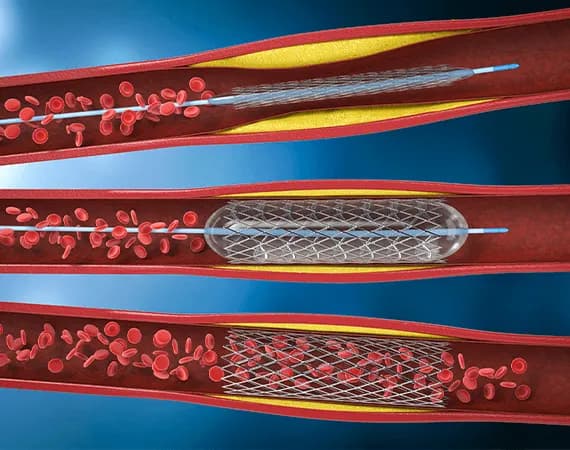
Coronary Angioplasty — Balloon-based procedure to open narrowed or blocked coronary arteries and restore blood flow.
ROTA (Rotational Atherectomy) — A rotating catheter device used to remove hard plaque buildup in complex blockages.
Coronary Artery Bypass Graft Surgery (CABG) — Surgical creation of new routes for blood flow around blocked arteries.
Pacemaker Implantation — Device implantation to regulate slow or irregular heartbeats.
Balloon Mitral Valvotomy (BMV) — Minimally invasive treatment for mitral valve narrowing (mitral stenosis).
Heart Valve Repair or Replacement Surgery — Surgical correction of malfunctioning heart valves.
ASD Device Closure — Minimally invasive closure of a congenital hole between the heart's upper chambers.
Congenital Heart Surgery — Surgical correction of heart defects present since birth.
Aneurysm Repair — Open surgical repair of aortic aneurysms to prevent rupture.
Percutaneous Transluminal Angioplasty — Minimally invasive technique to restore blood flow in the femoral artery.