
A clinical guide to understanding when and why a bone marrow transplant becomes the turning point in blood cancer treatment — and what patients in India need to know before making that decision.
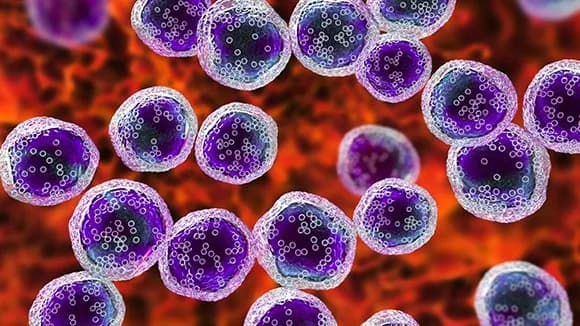
Leukemia and lymphoma are both blood cancers, but they originate in different cell types and behave differently — which directly shapes how each is treated. Leukemia arises in the bone marrow itself, where abnormal white blood cells crowd out healthy blood-forming cells. Lymphoma, by contrast, begins in the lymphatic system — typically in lymph nodes, the spleen, or other lymphoid tissue — and is broadly divided into Hodgkin lymphoma (HL) and Non-Hodgkin lymphoma (NHL).
This distinction matters enormously for treatment planning. Leukemia often requires aggressive systemic therapy from the outset because the cancer is already circulating in the bloodstream. Lymphoma may respond well to chemotherapy and targeted agents in early stages, with a bone marrow or stem cell transplant reserved for relapsed, refractory, or high-risk disease. Understanding where your diagnosis sits on this spectrum is the first step toward choosing the right treatment pathway — something the haemato-oncology specialists at Apex Hospitals help patients navigate from day one.
According to data published by the World Health Organization, blood cancers collectively account for approximately 6–7% of all new cancer diagnoses globally each year, with leukemia and lymphoma representing the majority of that burden. In India, the incidence of both conditions has been rising steadily, making access to advanced treatment — including bone marrow transplantation — a critical public health priority.
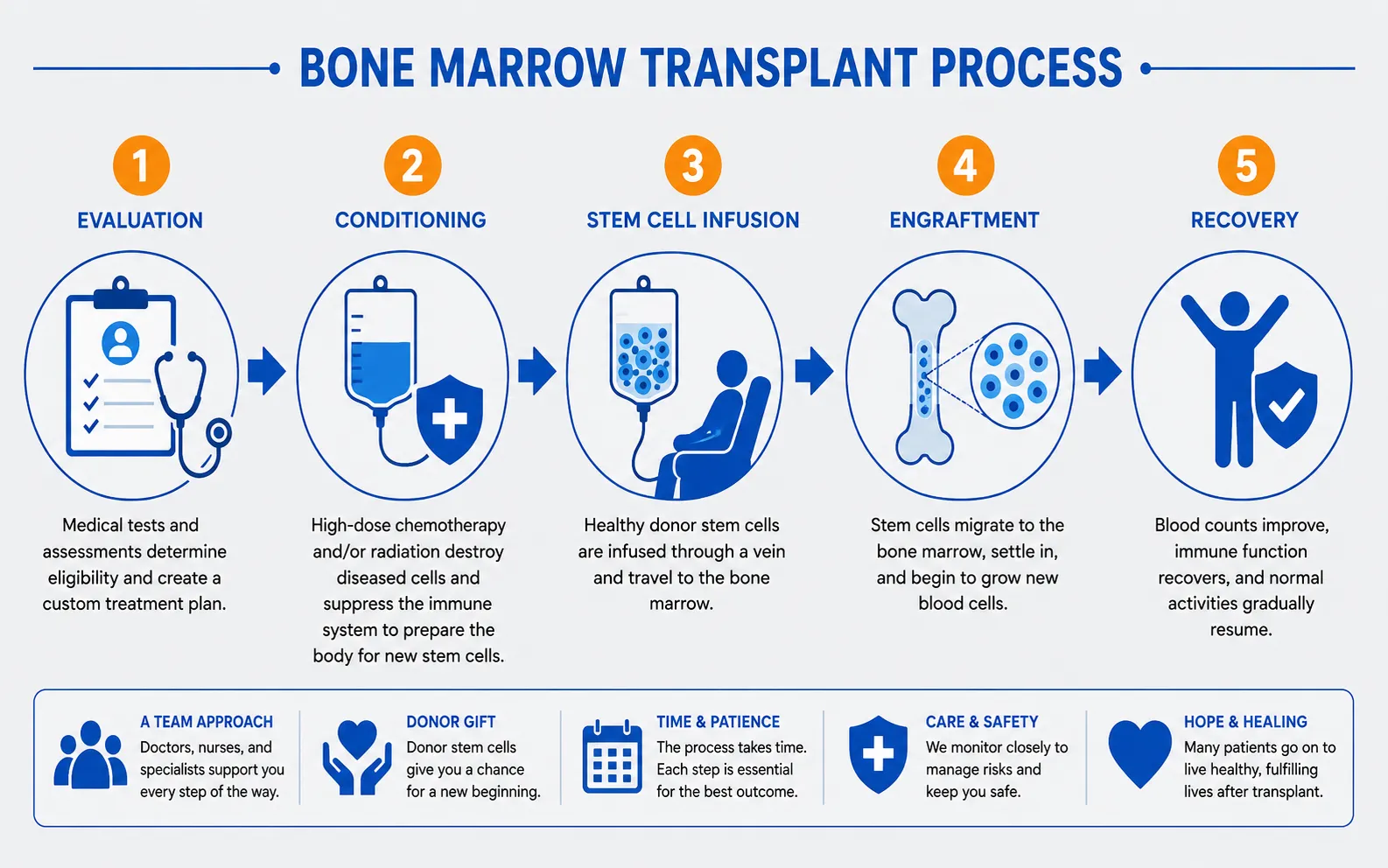
A bone marrow transplant (BMT), also called a hematopoietic stem cell transplant (HSCT), replaces diseased or destroyed bone marrow with healthy stem cells capable of producing normal blood cells. The procedure is not a single event but a carefully sequenced process: high-dose chemotherapy (and sometimes radiation) is used to eliminate the cancerous marrow, followed by infusion of donor or the patient's own stem cells to rebuild the blood-forming system.
There are two main types of transplant relevant to leukemia and lymphoma patients:
Autologous transplant: The patient's own stem cells are harvested before high-dose chemotherapy, stored, and then reinfused afterward. This approach is commonly used in certain lymphomas (especially relapsed Hodgkin and diffuse large B-cell lymphoma) and multiple myeloma.
Allogeneic transplant: Stem cells come from a matched donor — a sibling, unrelated volunteer, or haploidentical (half-matched) family member. This is the preferred approach for most leukemias, particularly acute myeloid leukemia (AML) and acute lymphoblastic leukemia (ALL) in high-risk or relapsed settings, because donor immune cells can actively attack residual cancer cells — a phenomenon known as the graft-versus-leukemia (GVL) effect.
The choice between autologous and allogeneic transplant depends on the specific diagnosis, disease stage, patient age and fitness, and donor availability. Our oncology team in Jaipur conducts a thorough multidisciplinary evaluation before recommending either pathway.
Not every leukemia patient requires a transplant — but for many, it represents the only realistic path to long-term remission or cure. The decision depends on several factors:
Type of leukemia: Chronic myeloid leukemia (CML) is now managed very effectively with targeted oral therapies (tyrosine kinase inhibitors) in most patients, and transplant is reserved for those who fail or are intolerant of these drugs. Acute leukemias (AML and ALL) carry a higher risk of relapse, and allogeneic BMT is recommended for intermediate- and high-risk patients who achieve first complete remission.
Cytogenetic and molecular risk: Certain chromosomal abnormalities — such as Philadelphia chromosome-positive ALL, FLT3-mutated AML, or complex karyotype — signal a higher relapse risk and push the recommendation toward early transplant.
Response to initial chemotherapy: Patients who achieve a deep molecular remission after induction chemotherapy may be candidates for transplant consolidation, while those with refractory disease may require salvage regimens before transplant becomes feasible.
Patient fitness: BMT is an intensive procedure. Organ function, performance status, and comorbidities are carefully assessed to ensure the patient can tolerate the conditioning regimen.
A growing body of evidence on PubMed supports allogeneic transplant as the standard of care for high-risk AML and ALL in first complete remission, with five-year overall survival rates ranging from 40% to 65% depending on disease risk and donor match quality.
For lymphoma, the transplant decision is more nuanced and depends heavily on whether the disease is Hodgkin or Non-Hodgkin, and whether it has relapsed or is refractory to first-line treatment.
Hodgkin Lymphoma (HL): The majority of patients with early-stage HL are cured with standard chemotherapy (ABVD or similar regimens) and do not need a transplant. However, patients whose disease relapses after initial treatment or who have primary refractory HL are typically offered high-dose chemotherapy followed by autologous stem cell transplant (ASCT). Studies consistently show that ASCT can achieve long-term remission in 40–50% of relapsed HL patients who respond to salvage chemotherapy.
Non-Hodgkin Lymphoma (NHL): The picture is more varied. Diffuse large B-cell lymphoma (DLBCL), the most common aggressive NHL, is treated with R-CHOP immunochemotherapy as first-line therapy. Patients who relapse and respond to salvage treatment are candidates for ASCT. For T-cell lymphomas and certain high-risk NHL subtypes, allogeneic transplant may be preferred because of the GVL effect. Follicular lymphoma, a slower-growing NHL, may require transplant in patients with multiple relapses or transformation to aggressive disease.
The haematology and blood cancer team at Apex Hospitals uses PET-CT imaging, bone marrow biopsy, and molecular profiling to determine transplant eligibility and timing for each lymphoma patient individually.
One of the most common questions patients and families ask is: "What are the chances this will work?" Success rates vary considerably based on disease type, stage, patient age, and the quality of the transplant centre — but the data from India's leading centres is increasingly encouraging.
For autologous transplants in relapsed Hodgkin lymphoma, event-free survival at two years ranges from 45% to 55% in well-selected patients at experienced Indian centres. For allogeneic transplants in AML, overall survival at three years is approximately 45–60% for patients transplanted in first complete remission with a matched sibling donor. Haploidentical transplants — using a half-matched family member — have become increasingly viable with improved graft-versus-host disease (GvHD) prophylaxis protocols, expanding donor availability significantly.
Apex Hospitals' Advanced ICU with ECMO capability and dedicated Cardiac ICU provide the critical care infrastructure needed to manage transplant-related complications — a key factor in improving post-transplant survival. The hospital's NABH accreditation ensures that infection control, blood banking, and supportive care protocols meet the highest national standards.
BMT is one of the most complex procedures in modern medicine, and it carries real risks that must be weighed against the potential for cure. Honest, transparent counselling about these risks is a cornerstone of ethical transplant practice.
Graft-versus-Host Disease (GvHD): In allogeneic transplants, donor immune cells may attack the recipient's tissues. Acute GvHD typically affects the skin, gut, and liver within the first 100 days; chronic GvHD can develop later and affect multiple organ systems. Modern immunosuppressive regimens have significantly reduced severe GvHD rates.
Infection: The period of profound immune suppression following conditioning chemotherapy makes patients highly vulnerable to bacterial, fungal, and viral infections. Protective isolation, prophylactic antifungals and antivirals, and close monitoring are essential.
Graft failure: In a small percentage of cases, the transplanted stem cells fail to engraft and produce new blood cells. This is more common with mismatched donors and requires prompt intervention.
Organ toxicity: High-dose conditioning chemotherapy can cause liver toxicity (veno-occlusive disease), lung injury, and kidney damage. Careful conditioning regimen selection and supportive care minimise these risks.
Relapse: Even after a successful transplant, the underlying cancer can return. The risk of relapse is the primary reason transplant decisions are made carefully, with disease risk stratification guiding the choice of conditioning intensity and donor type.
The physiotherapy and rehabilitation team at Apex Hospitals plays an important role in post-transplant recovery, helping patients rebuild strength, manage fatigue, and return to daily activities as safely and quickly as possible.
Understanding the transplant process helps patients and families prepare mentally and practically. Here is a simplified overview of the key phases:
A comprehensive workup including bone marrow biopsy, PET-CT or CT scan, cardiac and pulmonary function tests, liver and kidney function, and infectious disease screening. Donor search and HLA (human leukocyte antigen) typing are initiated in parallel for allogeneic transplants. Apex Hospitals' on-site CT, MRI, and advanced laboratory infrastructure supports rapid completion of this workup.
High-dose chemotherapy (with or without total body irradiation) is administered over 4–7 days to destroy residual cancer cells and suppress the immune system to prevent graft rejection. Reduced-intensity conditioning (RIC) regimens are used for older or less fit patients to reduce toxicity while preserving the GVL effect.
The harvested stem cells — whether from the patient, a sibling, or an unrelated donor — are infused intravenously, much like a blood transfusion. The cells migrate to the bone marrow and begin the process of engraftment.
This is the most vulnerable phase. Blood counts are at their lowest, and patients are at highest risk of infection and bleeding. Intensive supportive care — including blood and platelet transfusions, growth factors, and antimicrobial prophylaxis — is provided in a protective environment.
Once engraftment is confirmed (typically by rising neutrophil counts), patients are monitored for GvHD and late infections. Most patients are discharged within 3–5 weeks of transplant, with close outpatient follow-up for the first 100 days and beyond.
Nutritional support is a critical but often underappreciated component of transplant recovery. The dietetics and nutrition specialists at Apex Hospitals work alongside the transplant team to maintain patients' nutritional status through the conditioning phase and beyond, reducing complications and supporting immune reconstitution.
The field of bone marrow transplantation has evolved dramatically over the past decade, and several advances are directly improving outcomes for Indian patients:
Haploidentical transplantation: The development of post-transplant cyclophosphamide (PTCy) protocols has made half-matched family member transplants nearly as effective as matched sibling transplants in many settings — dramatically expanding donor availability for patients without a fully matched sibling.
CAR-T cell therapy: While still emerging in India, chimeric antigen receptor T-cell therapy is transforming outcomes for relapsed/refractory B-cell lymphomas and ALL, and may reduce the need for allogeneic transplant in some patients or serve as a bridge to transplant in others.
Targeted pre-transplant therapies: Drugs like venetoclax, gilteritinib, and brentuximab vedotin are being used to achieve deeper remissions before transplant, improving post-transplant outcomes.
Minimal residual disease (MRD) monitoring: Highly sensitive molecular tests can detect tiny amounts of residual leukemia after treatment, allowing clinicians to tailor transplant timing and post-transplant maintenance therapy more precisely.
Apex Hospitals' partnership with the Indian School of Business (ISB) and recognition by the GovConnect Conclave for HealthTech Excellence reflect the institution's commitment to integrating clinical innovation with operational excellence — ensuring that advances in transplant medicine reach patients across Rajasthan and beyond through initiatives like the HOPE Tele-ICU programme.
A bone marrow transplant is not just a medical procedure — it is a life-altering experience that affects patients and families emotionally, financially, and socially. Comprehensive transplant care must address all of these dimensions.
Mental health support is increasingly recognised as integral to transplant outcomes. Anxiety, depression, and post-traumatic stress are common in transplant recipients, and early psychological intervention improves adherence to post-transplant care and quality of life. The psychiatry and mental health team at Apex Hospitals provides counselling and support for patients and caregivers throughout the transplant journey.
Pain management — particularly during mucositis (painful inflammation of the mouth and digestive tract) that commonly follows conditioning chemotherapy — is addressed by the hospital's dedicated pain and intervention specialists, ensuring patients remain as comfortable as possible during the most difficult phase of treatment.
For patients who develop complications affecting the kidneys — a recognised risk of high-dose chemotherapy and certain immunosuppressive drugs — Apex Hospitals' nephrology unit provides expert management, including access to CRRT machines for critically ill patients with acute kidney injury. Learn more about our nephrology and kidney care services.
No. The need for a bone marrow transplant depends on the type of leukemia, its molecular risk profile, and how well it responds to initial chemotherapy. Chronic myeloid leukemia (CML) is usually managed with targeted oral drugs. For acute leukemias (AML and ALL), transplant is recommended for intermediate- and high-risk patients who achieve remission, as it significantly reduces relapse risk. Your haematologist will assess your specific situation before making a recommendation.
Success rates vary by lymphoma type and patient factors. For relapsed Hodgkin lymphoma treated with autologous stem cell transplant, event-free survival at two years is approximately 45–55% in well-selected patients at experienced Indian centres. For aggressive Non-Hodgkin lymphomas, outcomes depend heavily on the depth of response to salvage chemotherapy before transplant. India's leading transplant centres are achieving outcomes increasingly comparable to international benchmarks.
Leukemia originates in the bone marrow and circulates in the blood, so treatment is systemic from the start — typically intensive induction chemotherapy followed by consolidation, with transplant for high-risk cases. Lymphoma begins in lymph nodes or lymphoid tissue and may be localised in early stages, allowing for combined chemotherapy and immunotherapy approaches. Transplant in lymphoma is usually reserved for relapsed or refractory disease, whereas in high-risk leukemia it may be recommended in first remission.
A stem cell transplant is typically recommended for lymphoma patients whose disease relapses after first-line chemotherapy and who respond to salvage treatment, or for those with high-risk features at diagnosis (such as certain T-cell lymphomas). For Hodgkin lymphoma, autologous transplant is the standard approach for chemosensitive relapse. For aggressive Non-Hodgkin lymphomas, both autologous and allogeneic options may be considered depending on the specific subtype and patient factors.
The principal risks include graft-versus-host disease (in allogeneic transplants), serious infections during the period of immune suppression, graft failure, organ toxicity from conditioning chemotherapy, and disease relapse. Modern transplant protocols have significantly reduced the incidence of severe complications, and experienced transplant centres with robust critical care infrastructure — like Apex Hospitals — are best placed to manage these risks effectively.
If you or a family member has been diagnosed with leukemia or lymphoma and want to understand whether a bone marrow transplant is the right next step, our haemato-oncology team at Apex Hospitals is here to help you make an informed decision.






