Comprehensive care for kidney health and disorders. Our expert nephrologists provide advanced, patient-centered care for kidney diseases—from diagnostics to dialysis and transplant services.
Quick Appointment
Fill in your details to get started
Nephrology at Apex Hospitals
Comprehensive Kidney Care — Diagnosis, Dialysis & Transplant
Apex Hospitals offers advanced, patient-centred care for kidney disease, from diagnosis and dialysis to kidney transplant. Our Nephrology Department, led by Dr. Ajay Pal Singh, Director — Nephrology & Renal Transplant (Malviya Nagar), with over 15 years of experience, has performed 350+ kidney transplants with a fully equipped dialysis centre and complete treatment capability for end-stage kidney disease and acute kidney failure. Nephrology consultation is also available at our Sawai Madhopur location under Dr. Ayushi Singh, with dialysis.
350+ Kidney Transplants
15+ Years Experience
Fully Equipped Dialysis Centre
ESRD & AKI Management
What is Nephrology ?
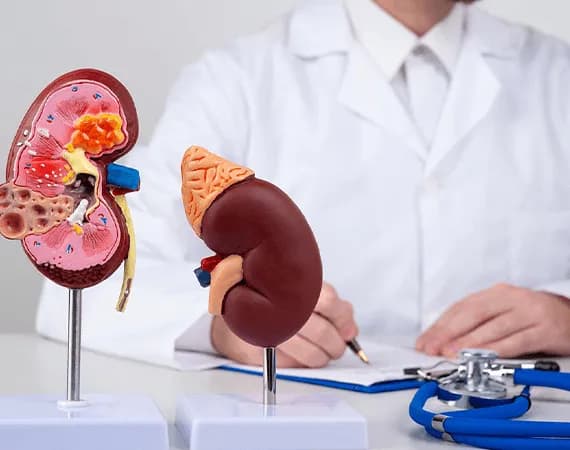
Nephrology is the branch of medicine focused on the diagnosis and treatment of diseases affecting the kidneys, in both adults and children.
The kidneys play a critical role in keeping the body's fluid and electrolyte levels within a safe range, while filtering waste products from the blood. When the kidneys fail to perform this function correctly, waste materials accumulate in the body and can lead to serious, even life-threatening, health concerns. Kidney disease is often described as a systemic illness, its effects extend well beyond the kidneys themselves, impacting blood pressure, bone health, and cardiovascular risk.
Common kidney conditions include chronic kidney disease, acute kidney injury, kidney stones, and polycystic kidney disease. At Apex Hospitals, our Nephrology Department is dedicated to offering patients top-class, personalized treatment for the full range of kidney disease, from early-stage management to dialysis and transplant.
See Us If You Experience
Swelling in the legs, ankles, or face
Persistent fatigue or weakness
Foamy or blood-tinged urine
Significant change in urine output
Uncontrolled high blood pressure
Persistent nausea or loss of appetite
Severe flank or back pain (possible kidney stones)
A family history of polycystic kidney disease
Who Should Visit ?
Patients with diabetes or high blood pressure, both leading causes of chronic kidney disease, should have regular kidney function screening. Patients with a family history of kidney disease, those experiencing the warning signs above, and patients already diagnosed with CKD requiring dialysis planning or transplant evaluation should consult our Nephrology Department.
Condition We Treat
Condition
Description
Chronic Kidney Disease (CKD)
A progressive decline in kidney function over time, leading to a build-up of fluids, electrolytes, and waste products in the body.
Acute Kidney Injury (AKI)
A sudden, often reversible, loss of kidney function, frequently linked to severe illness, dehydration, or medication effects.
End-Stage Kidney Disease (ESRD)
Complete or near-complete loss of kidney function, requiring dialysis or kidney transplant for survival.
Kidney Failure
The inability of one or both kidneys to function correctly, may be acute and temporary, or chronic and progressively worsening.
Polycystic Kidney Disease (PKD)
An inherited disorder causing clusters of fluid-filled cysts to develop in the kidneys, leading to enlargement and gradual loss of function.
Kidney Stones
Hard deposits of minerals and salts form inside the kidneys, often requiring intervention such as PCNL for larger stones.
Our Services and Procedures
Kidney Transplant & Renal Replacement
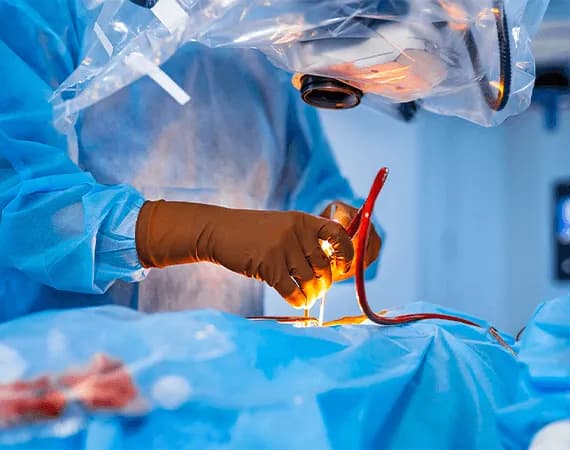
Kidney Transplant — Living donor kidney transplant, including complex and immunologically high-risk cases. 350+ transplants performed (Malviya Nagar).
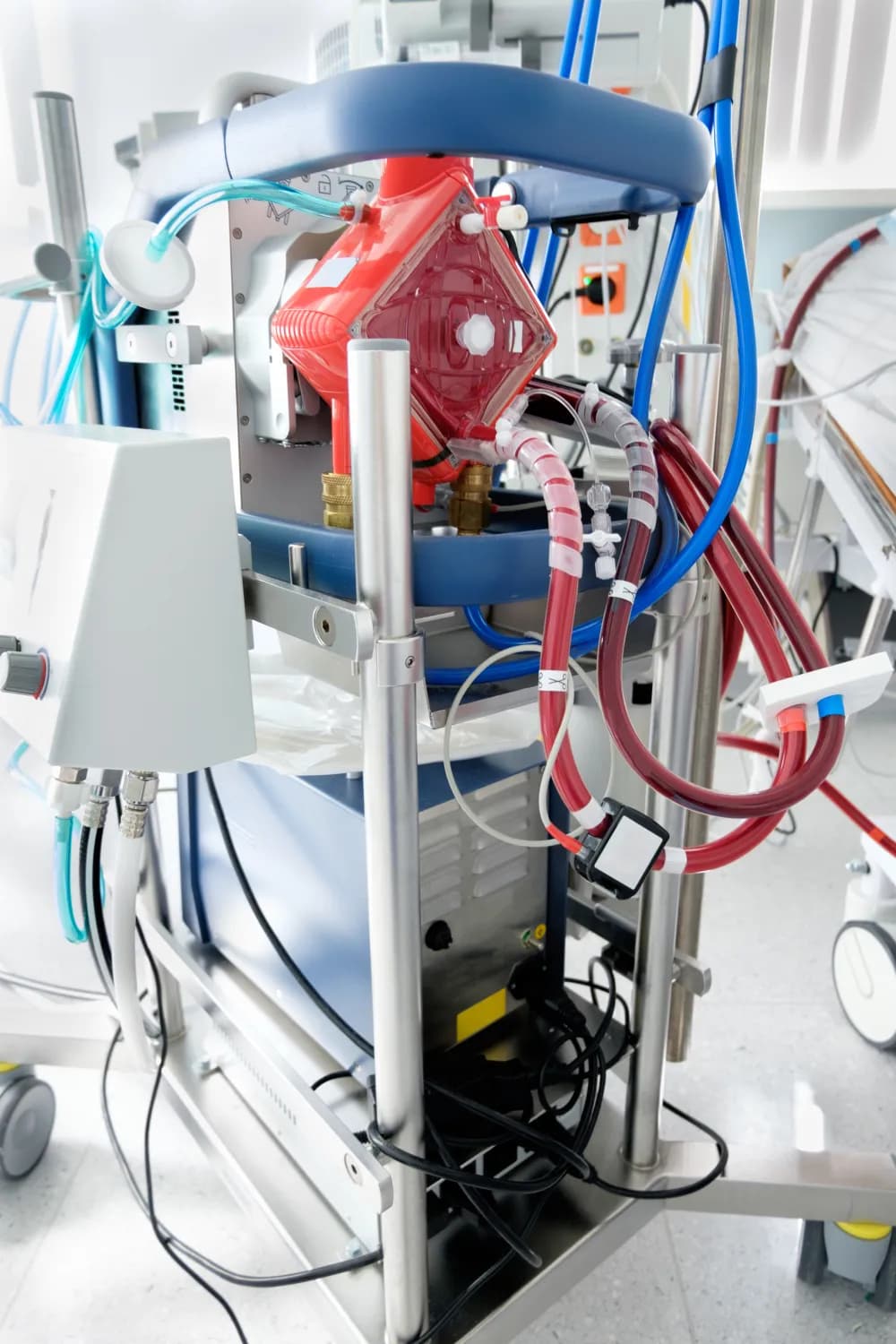
Dialysis — Personalised haemodialysis treatment for patients with end-stage kidney disease.
Continuous Renal Replacement Therapy (CRRT) — A continuous, gentler form of dialysis for critically ill patients with acute kidney injury, performed in the ICU.
Pre- and Post-Transplant Care — Complete evaluation, donor work-up, and lifelong follow-up for transplant recipients.
Diagnosis & Stone Management
Percutaneous Nephrolithotomy (PCNL) — Minimally invasive keyhole removal of large or complex kidney stones, with faster recovery and minimal scarring.
Chronic Kidney Disease (CKD) Management — Staged management to slow disease progression and delay the need for dialysis.
Renal Biomarker & Diagnostic Testing — In-house laboratory support for precise, fast diagnosis and treatment monitoring.
Acute Kidney Failure Management — Rapid assessment and treatment for sudden loss of kidney function.
Dr. Ajay Pal Singh and the transplant team at Apex Hospitals, Malviya Nagar have performed 350+ kidney transplants, including complex and high-immunological-risk cases. This depth of experience means patients with challenging presentations, who may have been told they have limited options elsewhere, can be evaluated for transplant here.
Complete Kidney Care Under One Roof
From early CKD management and dialysis to kidney transplant and lifelong post-transplant follow-up, Apex Hospitals manages the entire kidney care journey. Patients do not need to be referred elsewhere at any stage, a fully equipped dialysis centre, in-house laboratory, and transplant coordination team support continuous, coordinated care.
Managing High-Risk & Complex Cases
Apex Hospitals has successfully managed transplant cases involving significant immunological complexity, including patients with concurrent viral infections and crossmatch-positive donors, using specialised desensitisation protocols. Patients referred from other hospitals for difficult cases are routinely evaluated and treated here.
Patient-Centred, Personalised Care
Our nephrologists take the time to listen to each patient and build a treatment plan around their specific condition and circumstances, rather than a one-size-fits-all protocol. This is supported by the latest diagnostic technology, ensuring that treatment decisions are based on precise, timely information.
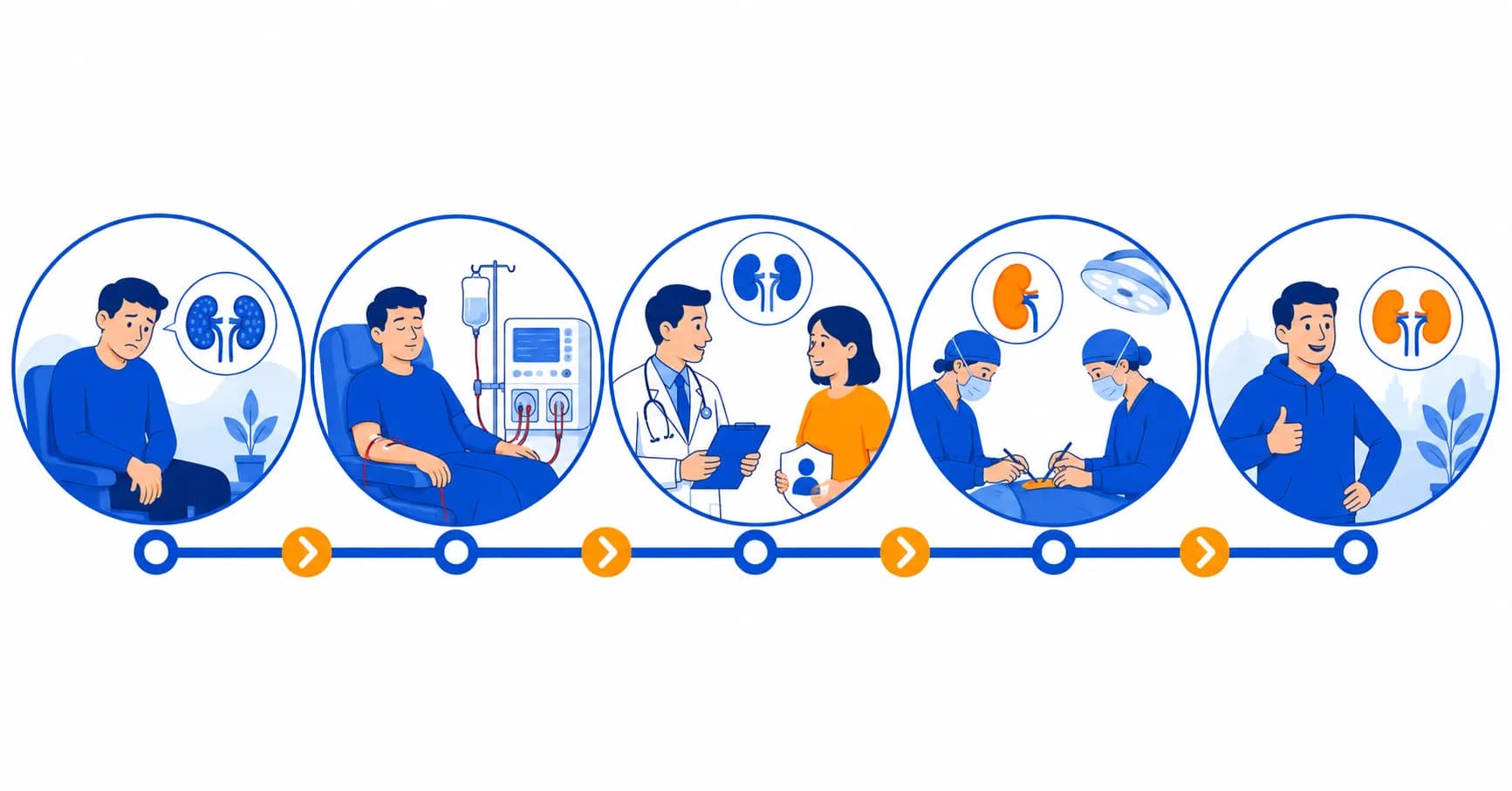
Patient Journey
1
Book an Appointment / Referral
Book online, call our nephrology helpline, or walk in during OPD hours. Patients with acute symptoms, sudden reduction in urine output, severe swelling, or breathlessness, are seen on an emergency basis. Bring any prior blood tests, scans, or referral notes.
2
Consultation & Diagnosis
Your nephrologist reviews your history and orders relevant investigations, blood tests for kidney function, urine tests, ultrasound, and where needed, a kidney biopsy. Most diagnostics are available in-house for faster results and continuity of care.
3
Treatment Plan Discussion
Depending on the diagnosis, treatment options are explained clearly, medical management to slow disease progression, dialysis planning, or transplant evaluation. A personalized treatment plan is built around the patient's specific stage of kidney disease and overall health.
4
Dialysis or Transplant (If Required)
Patients progressing to end-stage kidney disease are guided through dialysis options (haemodialysis or CRRT for critically ill patients) or kidney transplant evaluation, including donor work-up and compatibility testing, even for complex, high-risk cases. Kidney transplant is available at Apex Hospitals, Malviya Nagar.
5
Recovery & Long-Term Follow-up
Transplant patients are closely monitored in the early post-operative period, then transition to structured long-term follow-up, including immunosuppression management and regular kidney function monitoring. Dialysis and CKD patients continue with scheduled reviews to track disease progression.
“If you can't find the answer to your question here, please don't hesitate to contact our support team for assistance.”
Acute kidney injury (AKI) is a sudden loss of kidney function that is often reversible with timely treatment. Chronic kidney disease (CKD) is a gradual, long-term decline in kidney function that progressively worsens over months or years. Both require specialist nephrology management, but the treatment approach and urgency differ significantly.
Yes. With the right pre-transplant management, including antiviral therapy and close monitoring, patients with Hepatitis B or C can be successfully evaluated and transplanted. Apex Hospitals has successfully performed transplants in patients with both Hepatitis B and C using a specialised desensitisation and antiviral protocol.
CRRT (Continuous Renal Replacement Therapy) is a continuous, gentler form of dialysis used in the ICU for critically ill patients with acute kidney injury, particularly when blood pressure is too unstable for standard dialysis. It supports kidney function over 24 hours under close monitoring
Large or complex kidney stones are removed using PCNL (Percutaneous Nephrolithotomy), a minimally invasive, keyhole procedure performed through a small puncture in the back. It offers reduced discomfort, faster recovery, and minimal scarring compared to open surgery.
PKD is an inherited disorder in which clusters of fluid-filled cysts develop in the kidneys, causing them to enlarge and gradually lose function over time. As it is hereditary, family members of a diagnosed patient may benefit from screening