What is coronary artery bypass surgery, and why is it done?
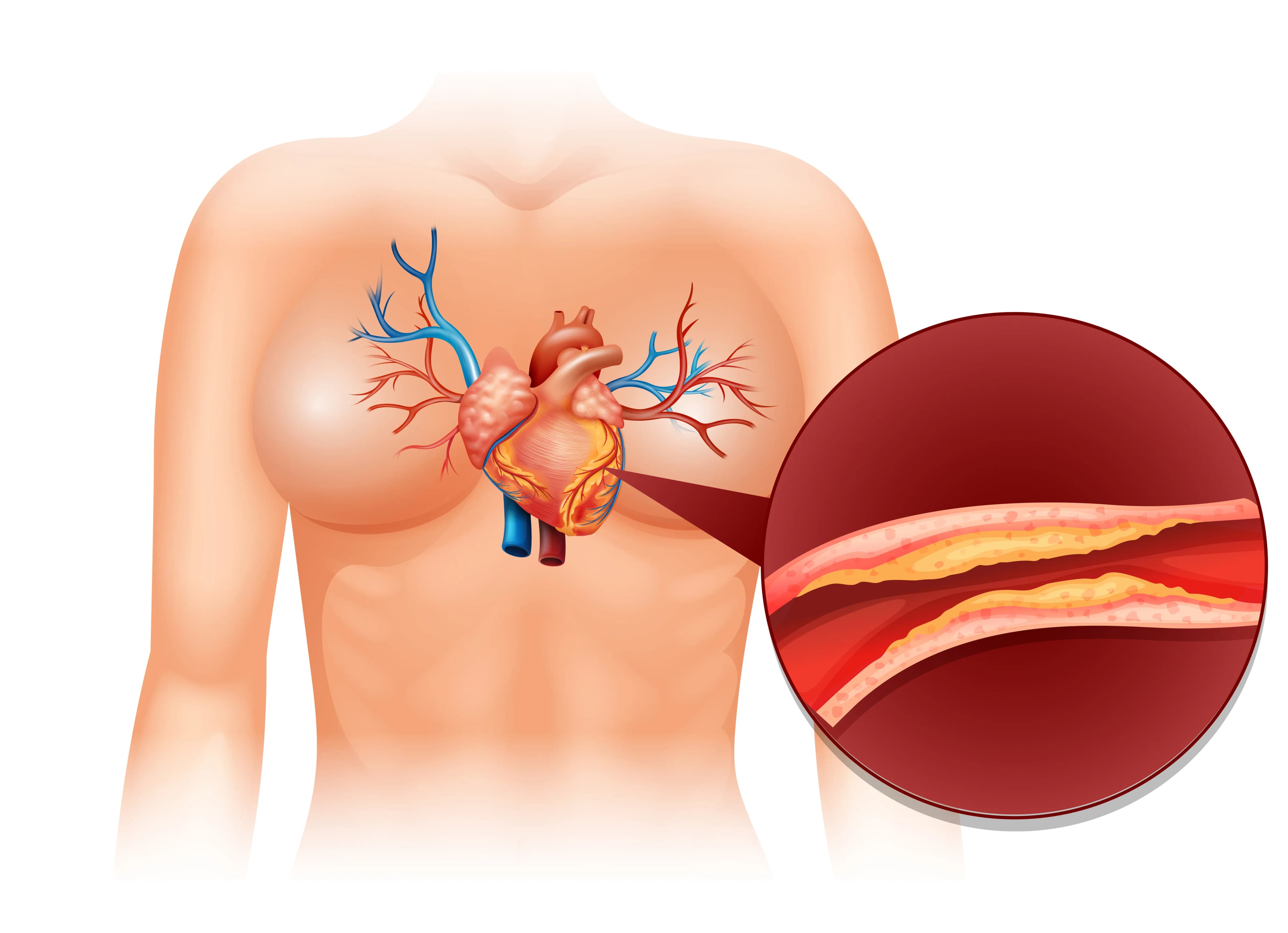
Coronary artery bypass surgery is a complex procedure that involves rerouting blood flow around blocked or narrowed arteries in the heart. During the surgery, a healthy blood vessel, usually taken from the leg or chest, is grafted onto the coronary artery, bypassing the blockage and allowing blood to flow freely again. This procedure relieves symptoms of coronary artery disease, such as chest pain, and reduces the risk of heart attacks and other complications.
Benefits of coronary artery bypass surgery
There are several benefits of undergoing coronary artery bypass surgery, such as:
- It can significantly improve blood flow to the heart, reducing symptoms such as chest pain and shortness of breath.
- It can lower the risk of heart attacks and other heart-related complications.
- Many patients experience an improved quality of life after the surgery, as they can engage in physical activities without the limitations imposed by coronary artery disease.
- Studies have shown that coronary artery bypass surgery can increase life expectancy in certain patients, especially those with severe blockages or multiple blocked arteries.
Risks and complications of coronary artery bypass surgery
Like any surgical procedure, coronary artery bypass surgery carries certain risks and potential complications. These can include:
- infection
- bleeding
- blood clots
- damage to the heart, blood vessels, or other organs
- kidney problems
Preparing for coronary artery bypass surgery
Preparing for coronary artery bypass surgery involves several steps to ensure the best possible outcome.
- Your healthcare team will assess your overall health and may perform additional tests, such as blood work and imaging studies, to evaluate the condition of your heart and blood vessels.
- You may also be advised to make certain lifestyle changes, such as quitting smoking and adopting a healthier diet, to optimize your chances of a successful surgery.
- It is essential to follow all pre-operative instructions provided by your healthcare team and to ask any questions or address any concerns you may have.
The procedure of coronary artery bypass surgery
Coronary artery bypass surgery is performed in a hospital setting and typically requires a stay of several days. The surgery is performed under general anaesthesia, meaning you will be asleep and pain-free. The surgeon will make an incision in the chest to access the heart and then graft the healthy blood vessel onto the blocked or narrowed artery. The surgery can take several hours, depending on the case's complexity. After the procedure, you will be closely monitored in the intensive care unit (ICU) to ensure a smooth recovery.
Recovery and rehabilitation after coronary artery bypass surgery
Recovery after coronary artery bypass surgery typically involves rest and rehabilitation. You may experience some pain and discomfort in the chest area, which can be managed with medications prescribed by your healthcare team. It is recommended to follow all post-operative instructions, including taking any prescribed medications, attending follow-up appointments, and participating in a cardiac rehabilitation program. Cardiac rehabilitation often includes supervised exercise, dietary counselling, and education on managing risk factors for heart disease. With time and proper care, most patients can resume their normal activities and enjoy an improved quality of life.
Results and success rates of coronary artery bypass surgery
Coronary artery bypass surgery has been proven to be highly effective in improving blood flow to the heart and relieving symptoms of coronary artery disease. The success rates of the procedure are generally high, with most patients experiencing significant improvement in their symptoms and quality of life. However, the outcome can vary depending on individual factors, such as the extent of the disease, overall health, and adherence to post-operative care. Discussing the expected results with your healthcare team, who can provide more specific information based on your unique situation, is essential.
Alternative treatments for coronary artery bypass surgery
While coronary artery bypass surgery is a standard and effective treatment for coronary artery disease, it is not the only option available. Depending on the specific circumstances, alternative therapies may be considered. These can include medications to manage symptoms and reduce the risk of complications, such as cholesterol-lowering drugs and blood thinners. In some instances, other minimally invasive procedures, such as angioplasty and stenting, may also be appropriate. It is essential to discuss all available treatment options with your healthcare team to determine the best course of action for your individual needs.
Is coronary artery bypass surgery right for you?
Deciding whether to undergo coronary artery bypass surgery is a complex and personal decision that should be made in consultation with your healthcare team. While the surgery can provide significant benefits in symptom relief, improved quality of life, and reduced risk of complications, it is not without risks. It is essential to weigh the potential benefits against the potential dangers carefully and to consider alternative treatment options that may be available. Ultimately, the decision should be based on a thorough understanding of your condition and personal goals and preferences. Your healthcare team can provide guidance and support throughout the decision-making process, helping you make an informed choice that is right for you.