
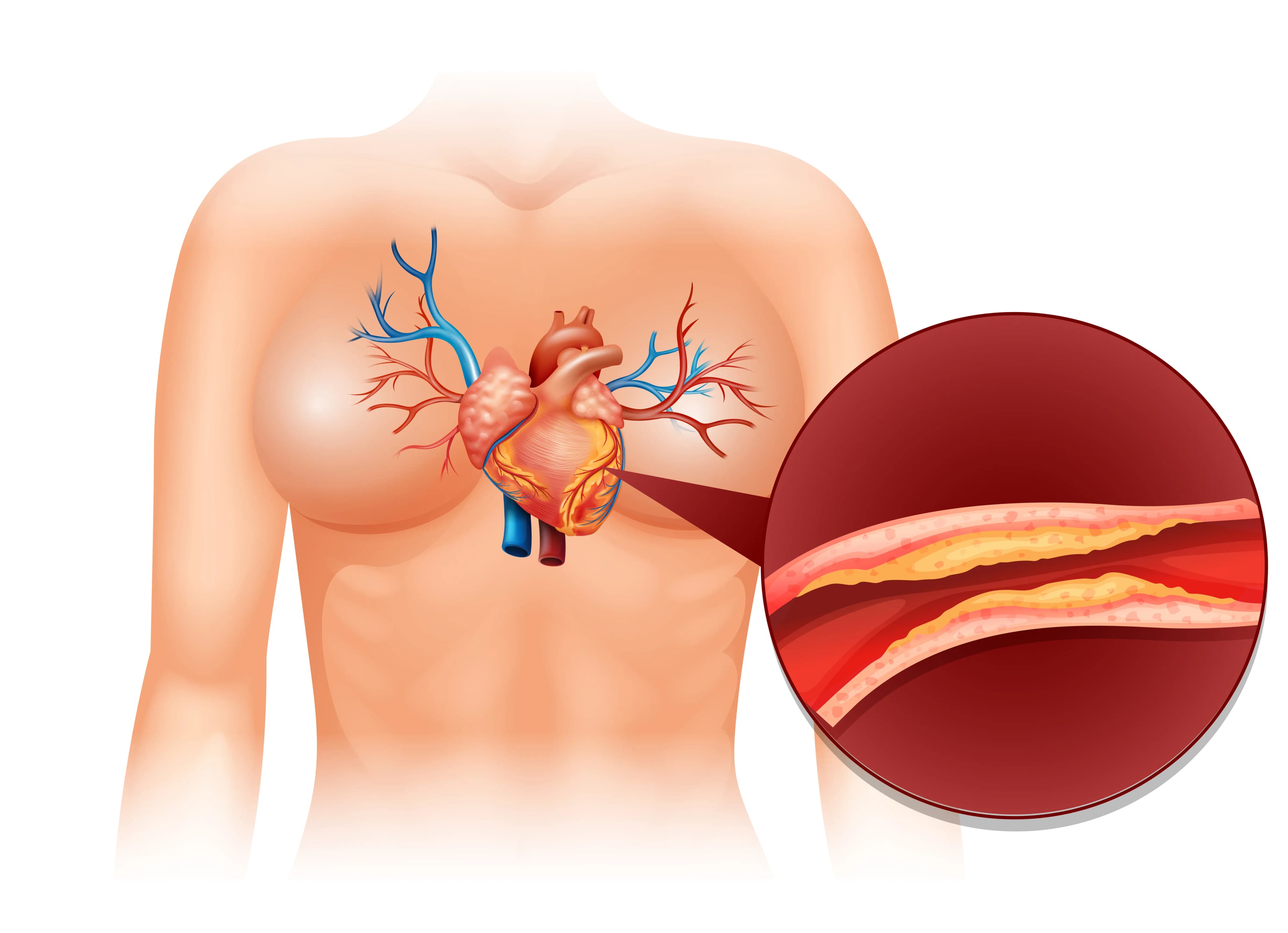
A blocked artery diagnosis usually comes with an immediate question: angioplasty or bypass surgery? Here's a plain-language look at how the two procedures differ, and how patients in Jaipur can find the right cardiac care close to home.
By Apex Hospitals · Published 15 September 2026
Angioplasty, also known as percutaneous coronary intervention (PCI), is a catheter-based procedure used to open a blocked or narrowed coronary artery. A thin tube is guided through a blood vessel in the wrist or groin up to the blocked artery. A small balloon at the tip is inflated to widen the artery, and a stent- a tiny mesh tube is usually left in place to keep it open.
The procedure is done under local anaesthesia with sedation, so there's no need to open the chest. Most patients are awake, and many go home within a day or two.
Coronary artery bypass grafting, or CABG, is a surgical procedure. Instead of opening the blocked artery from within, the surgeon creates a new path for blood to flow around the blockage, using a healthy blood vessel taken from the leg, chest, or arm.
Bypass surgery is done under general anaesthesia and usually involves an incision in the chest to access the heart directly. It's a more involved procedure than angioplasty, but it can treat multiple blockages in one operation.
The table below gives a general sense of how the two procedures compare. Every patient's case is different, and the right option depends on the number and location of blockages, overall health, and other individual factors.
| Factor | Angioplasty | Bypass Surgery (CABG) |
|---|---|---|
| Procedure type | Catheter-based, minimally invasive | Open-heart surgery |
| Anaesthesia | Local anaesthesia with sedation | General anaesthesia |
| Incision | Small puncture in wrist or groin | Chest incision (sternotomy) |
| Typical hospital stay | 1- 2 days | 5- 7 days |
| Typical recovery time | About a week for light activity | 6- 8 weeks for full recovery |
| Best suited for | Single or double-vessel blockages | Multiple or complex blockages, left main disease, diabetic patients |
| Repeat treatment | Artery can re-narrow (restenosis) in some cases | Grafts generally stay open longer |
Angioplasty is typically considered when:
The blockage is in one or two coronary arteries and is accessible by catheter
A patient is having a heart attack and needs the artery opened quickly (primary angioplasty)
A faster recovery and shorter hospital stay are priorities, and the anatomy allows it
A patient's overall health makes major surgery riskier
Bypass surgery tends to be the preferred option when:
Multiple coronary arteries are blocked (triple-vessel disease)
The blockage is in the left main coronary artery, which supplies a large portion of the heart
The patient has diabetes, since studies show bypass surgery often leads to better long-term outcomes in this group
The artery's shape or location makes it unsuitable for a stent
After angioplasty, most patients can walk the same day and return to light daily activities within about a week, though strenuous activity and heavy lifting are usually avoided for a short period on the doctor's advice.
After bypass surgery, patients typically spend a day or two in the cardiac ICU for close monitoring, followed by about a week in the ward. Full recovery including a gradual return to normal activity usually takes six to eight weeks, supported by a structured cardiac rehabilitation programme.
Cardiovascular disease remains one of the leading causes of death in India, accounting for a significant share of overall mortality according to the World Health Organization. Timely diagnosis and access to the right treatment whether angioplasty or bypass surgery make a meaningful difference to outcomes.
Jaipur has grown into a regional centre for cardiac care, with patients travelling in from across Rajasthan for both procedures. At Apex Hospitals' Malviya Nagar centre, a Hybrid Cath Lab supports angioplasty and other catheter-based interventions, alongside a dedicated Cardiac ICU and emergency operation theatres available 24*7 for time-critical cases. Patients from other parts of the city, including Mansarovar, can consult Apex Hospitals' cardiology team for evaluation, diagnosis, and a clear recommendation on which treatment path suits their condition.
Fact: Angioplasty opens a specific blocked artery, but it doesn't stop new blockages from forming elsewhere. Medication, regular follow-up, and lifestyle changes remain important afterward.
Fact: The decision is based on the number, location, and severity of blockages not age alone. Younger patients with complex blockages may still need bypass surgery, while some older patients are well suited to angioplasty.
Fact: Many patients who've had angioplasty go on to have bypass surgery years later if new blockages develop, and some who've had bypass surgery may later need a stent in a different vessel.
Fact: With a structured cardiac rehabilitation programme, most patients return to their normal daily routine within a couple of months.
Neither is universally "better" the right choice depends on how many arteries are blocked, where the blockages are, and the patient's overall health. A cardiologist and cardiac surgeon typically review this together before recommending a course of treatment.
Most patients resume light activity within about a week, with a full return to normal routine soon after, subject to the doctor's advice.
Patients are under general anaesthesia during the procedure and are given pain management support afterward. Some chest discomfort during initial recovery is normal and is managed as part of routine post-operative care.
Yes, in some cases the treated artery can narrow again over time (restenosis), and a repeat procedure or a different treatment approach may be considered.
The cardiology and cardiac surgery team at Apex Hospitals in Jaipur offers consultations for patients seeking a diagnosis or a second opinion on whether angioplasty or bypass surgery is the right course of treatment.
The cardiology and cardiac surgery team at Apex Hospitals, Jaipur, offers detailed consultations to help you understand whether angioplasty or bypass surgery is the right option for your condition.

Download Our App


Powered By Docfyn