What is knee replacement?
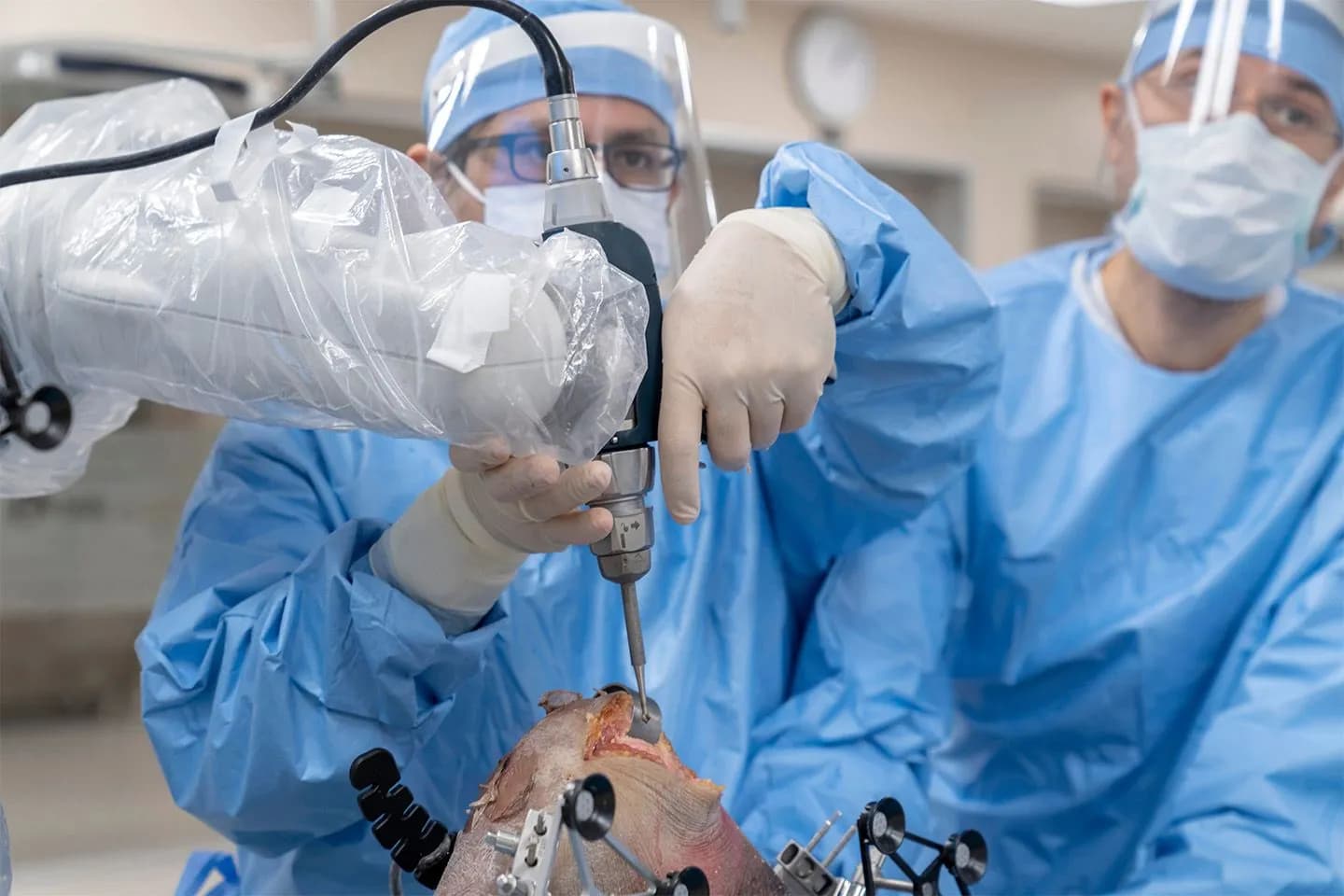
Knee replacement surgery, or knee arthroplasty, is a surgical procedure designed to alleviate pain and improve mobility by removing damaged or diseased knee joint components and replacing them with metal or plastic parts. This safe and effective procedure aims to enhance your overall well-being and restore your ability to move with greater comfort and ease.
How is partial knee replacement different from a total knee replacement?
Most arthroplasty procedures focus on the complete knee joint, known as total knee replacements. However, some individuals opt for a partial knee replacement. To grasp the distinction, it is essential to understand the compartments or sections of the knee. There are three:
- Inside (medial)
- Outside (lateral)
- Under the kneecap (patellofemoral/anterior)
The partial approach involves addressing a single section, which is why it is called unicompartmental replacement. Total knee replacement, on the other hand, encompasses all three sections. Typically, partial replacement is beneficial for younger adults experiencing symptoms in one specific section of the knee.
Who gets knee replacement?
Knee replacement surgery may be a suitable option for you if:
- Arthritis or a knee injury has caused significant damage to the joint surfaces.
- Pain and stiffness in your knee make it challenging to perform daily activities like climbing stairs or getting in and out of a car.
- Swelling and inflammation persist despite rest and medication.
- Your knee appears deformed, swollen or has an abnormal shape.
If you are experiencing these symptoms affecting your quality of life, it is advisable to consult with the healthcare professional at Apex Hospitals to determine if knee replacement surgery is appropriate for you.
Benefits
While long-term discomfort and the need to avoid high-impact activities to protect the replaced joint are possible, knee replacement surgery can significantly alleviate pain and greatly improve mobility. It is reassuring to know that over 90% of individuals who undergo total knee replacement continue to experience good functionality even 15 years after the procedure. This indicates the long-lasting benefits and positive outcomes that knee replacement surgery can provide.
Risks
While knee arthroplasty is generally considered a safe procedure, there is a small risk of rare complications, which may include:
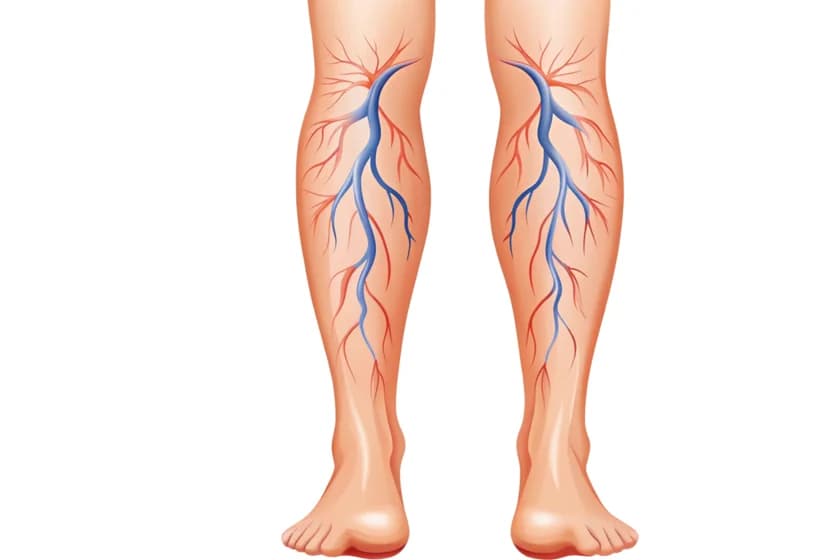
- Blood clots: Formation of blood clots in the legs (deep vein thrombosis) or lungs (pulmonary embolism).
- Infection: Although efforts are made to minimize the risk of infection, there is a slight chance of developing an infection in the knee joint.
- Nerve or blood vessel injury: In rare cases, the nerves or blood vessels around the knee may sustain damage during the surgery, leading to temporary or permanent complications.
- Implant-related issues: Some individuals may experience problems with the knee implant, such as premature wearing down or loosening of the device, which may require further intervention.
- Scar tissue formation: The formation of excessive scar tissue inside the knee joint may result in stiffness and a limited range of motion.
It's important to note that these complications are uncommon, and healthcare providers take necessary precautions to minimize their occurrence. Your surgeon will discuss these risks with you before the procedure and address any concerns you may have.