
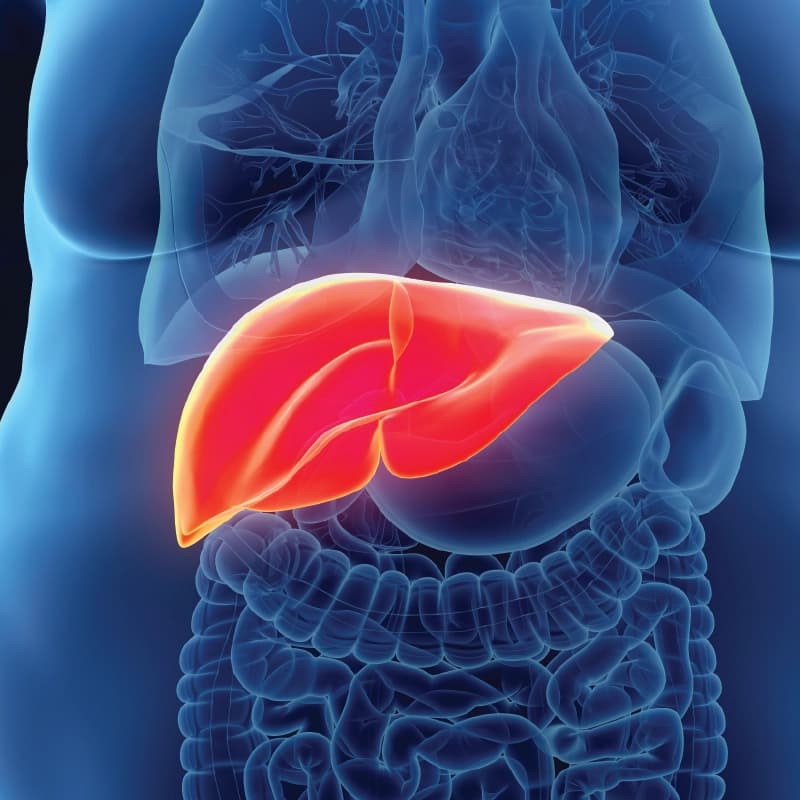
A practical, clinician-backed guide to understanding fatty liver disease — its causes, warning signs, and how lifestyle changes and medical care can help you reverse it.
Medically Reviewed by Dr. Ashok Dudhwal, Apex Hospitals Malviya Nagar · Published 21st July, 2026
Fatty liver disease — medically known as hepatic steatosis — has quietly become one of the most common liver conditions seen in clinics across Rajasthan. In Jaipur, changing dietary habits, rising rates of obesity, type 2 diabetes, and sedentary lifestyles have made fatty liver a growing concern for people of all ages. The reassuring news: when caught early, fatty liver is largely reversible with the right guidance.
This article draws on the clinical expertise of the gastroenterology team at Apex Hospitals, Jaipur to walk you through everything you need to know — from what fatty liver actually is, to how it is diagnosed and treated, to the lifestyle steps you can take starting today.
Fatty liver disease occurs when excess fat — more than 5% of the liver's weight — accumulates within liver cells. There are two main types:
Alcoholic Fatty Liver Disease (AFLD): Caused by heavy or prolonged alcohol consumption.
Non-Alcoholic Fatty Liver Disease (NAFLD): Occurs in people who drink little or no alcohol. This is the more prevalent form in Jaipur and across urban India, closely linked to metabolic risk factors.
NAFLD exists on a spectrum. At its mildest, it is simple steatosis (fat accumulation without significant inflammation). If left unaddressed, it can progress to Non-Alcoholic Steatohepatitis (NASH) — a more serious stage involving liver inflammation and cell damage — and eventually to fibrosis, cirrhosis, or liver failure. According to the World Health Organization, liver disease is among the leading causes of preventable mortality globally, making early detection critical.
Dr. Ashok Dudhwal, Gastroenterologist at Apex Hospitals Malviya Nagar, explains fatty liver disease — causes, symptoms, diagnosis, and how to reverse it naturally.
Fatty liver does not develop overnight. Several overlapping factors raise your risk:
Obesity and central adiposity — excess abdominal fat is a primary driver of NAFLD.
Type 2 diabetes and insulin resistance — the liver struggles to regulate fat metabolism when insulin signalling is impaired.
High triglycerides or low HDL cholesterol — dyslipidaemia feeds fat deposition in the liver.
Rapid weight loss or crash dieting — paradoxically, very fast weight loss can trigger fat accumulation in the liver.
Hypothyroidism and polycystic ovary syndrome (PCOS) — hormonal imbalances are increasingly recognised as contributors.
Certain medications — including corticosteroids, tamoxifen, and some antiretrovirals.
Excessive alcohol intake — the primary cause of AFLD.
Sedentary lifestyle and ultra-processed food consumption — particularly relevant in urban Jaipur, where desk jobs and high-calorie diets are common.
If you have two or more of these risk factors, a liver health check-up with a specialist in gastroenterology in Jaipur is a sensible precaution — even if you feel completely well.
One of the most challenging aspects of fatty liver disease is that it is often completely silent in its early stages. Many patients in Jaipur discover they have fatty liver incidentally — during a routine ultrasound or blood test done for another reason. When symptoms do appear, they may include:
A dull ache or heaviness in the upper right abdomen
Unexplained fatigue or low energy
Mild nausea, especially after fatty meals
Slight enlargement of the liver (hepatomegaly), detected on examination
Elevated liver enzymes (ALT, AST) on a blood panel
In more advanced stages — particularly NASH or early fibrosis — symptoms can escalate to significant fatigue, jaundice, swelling in the legs, or confusion. At this point, specialist evaluation is urgent. The internal medicine team at Apex Hospitals works closely with gastroenterologists to ensure patients with complex metabolic profiles receive coordinated care.
Diagnosis typically involves a combination of:
Blood tests: Liver function tests (LFTs), lipid profile, fasting blood glucose, and HbA1c to assess metabolic health.
Abdominal ultrasound: The most commonly used first-line imaging tool — it can detect increased echogenicity (brightness) of the liver, suggesting fat accumulation.
FibroScan (transient elastography): A non-invasive test that measures liver stiffness and fat content, helping to stage the degree of fibrosis without a biopsy.
MRI or CT scan: Used when ultrasound findings are inconclusive or when a more precise quantification of liver fat is needed. Apex Hospitals has on-site CT and MRI facilities available at its Malviya Nagar campus.
Liver biopsy: Reserved for cases where NASH or significant fibrosis is suspected and non-invasive tests are insufficient — it remains the gold standard for staging liver disease.
The radiology department at Apex Hospitals supports gastroenterology with advanced imaging, enabling accurate, timely diagnosis without unnecessary delays.
The short answer is yes — especially in the early stages. Simple steatosis (NAFLD without inflammation) is highly reversible with sustained lifestyle changes. Even NASH can show significant improvement with the right interventions. Here is how fatty liver is managed:
A sustained reduction of 7–10% of body weight has been shown in clinical studies to significantly reduce liver fat, inflammation, and even early fibrosis. The key word is sustained — crash diets can worsen the condition. A gradual, structured approach guided by a dietitian is recommended. The dietetics and nutrition team at Apex Hospitals designs personalised meal plans that account for each patient's metabolic profile, food preferences, and cultural context — important for patients in Jaipur where traditional diets can be high in refined carbohydrates and ghee.
No single "liver diet" exists, but the evidence consistently supports:
Reducing refined carbohydrates (white rice, maida, sugary drinks, sweets)
Increasing dietary fibre through vegetables, whole grains, and legumes
Choosing healthy fats — olive oil, nuts, avocado — over saturated and trans fats
Limiting fructose-rich foods and beverages (packaged juices, colas)
Moderate coffee consumption — interestingly, research published on PubMed (NIH) suggests regular coffee intake is associated with a lower risk of liver fibrosis in NAFLD patients
Avoiding alcohol entirely, even in NAFLD, as it accelerates liver damage
Both aerobic exercise (brisk walking, cycling, swimming) and resistance training have demonstrated independent benefits for liver fat reduction — even without significant weight loss. Aim for at least 150 minutes of moderate-intensity activity per week. The physiotherapy and rehabilitation team at Apex Hospitals can help patients with joint issues or obesity design safe, progressive exercise programmes.
Controlling blood sugar, blood pressure, and cholesterol is integral to fatty liver management. Patients with type 2 diabetes may benefit from certain medications (such as GLP-1 receptor agonists or SGLT-2 inhibitors) that have shown liver benefits beyond glucose control — a decision made in consultation with the treating physician. The diabetes and endocrine sciences department at Apex Hospitals collaborates closely with gastroenterology for patients with metabolic liver disease.
Currently, there is no single FDA-approved drug specifically for NAFLD/NASH, though several are in advanced clinical trials. Vitamin E (in non-diabetic NASH patients) and certain insulin sensitisers may be prescribed in selected cases. Your gastroenterologist will assess whether pharmacological support is appropriate based on your liver biopsy findings and overall health profile.
In patients with morbid obesity (BMI ≥ 37.5 kg/m² in Indians) who have not responded to lifestyle interventions, bariatric surgery at Apex Hospitals can produce dramatic and sustained improvements in liver histology, often resolving NASH entirely. This is considered a last-resort option after thorough multidisciplinary evaluation.
Jaipur's rapid urbanisation has brought with it a significant rise in metabolic disorders. Diets rich in dal-baati-churma, mithai, and fried snacks — combined with increasingly sedentary office-based work — create the perfect metabolic storm for NAFLD. Additionally, the high prevalence of type 2 diabetes in Rajasthan means that a large proportion of patients presenting to gastroenterology clinics in Jaipur already have metabolic risk factors that compound liver disease.
At Apex Hospitals Malviya Nagar, the gastroenterology team sees a significant volume of fatty liver cases and applies a structured, multidisciplinary approach — integrating nutrition counselling, endocrinology input, and advanced imaging — to deliver comprehensive fatty liver care under one roof. The hospital is NABH accredited and empanelled under Ayushman Bharat, making quality liver care accessible to a wider population in Jaipur and across Rajasthan.
Do not wait for symptoms to appear. Consult a gastroenterologist if you:
Have been told your liver enzymes (ALT/AST) are elevated on a routine blood test
Have an ultrasound report mentioning "grade 1, 2, or 3 fatty liver" or "hepatomegaly"
Are overweight or obese, especially with central (belly) fat
Have type 2 diabetes, high triglycerides, or metabolic syndrome
Experience persistent fatigue or right-sided abdominal discomfort
Have a family history of liver disease or cirrhosis
Early intervention is the most powerful tool available. The gastroenterology specialists at Apex Hospitals, Jaipur offer comprehensive liver health assessments and will guide you through a personalised treatment plan — whether that involves lifestyle coaching, medication, or advanced diagnostic workup.
Simple fatty liver (steatosis) is not immediately dangerous but should not be ignored. If it progresses to NASH, fibrosis, or cirrhosis, it becomes a serious condition that can lead to liver failure or liver cancer. Early detection and lifestyle changes can prevent progression in most patients.
With consistent dietary changes, regular exercise, and appropriate medical management, measurable improvement in liver fat can occur within 3–6 months. Significant reversal of early fibrosis may take 12–24 months of sustained effort. Regular follow-up with your gastroenterologist is essential to track progress.
Absolutely. Non-alcoholic fatty liver disease (NAFLD) is the most common form of fatty liver and occurs in people who consume little or no alcohol. It is driven by metabolic factors such as obesity, diabetes, and high cholesterol.
Avoid refined carbohydrates (white bread, maida-based foods), sugary beverages, packaged and fried snacks, red and processed meats, and alcohol. Focus instead on vegetables, whole grains, legumes, lean proteins, and healthy fats.
Apex Hospitals is empanelled under Ayushman Bharat and major insurance and TPA schemes. Eligible patients can access gastroenterology consultations and relevant diagnostic investigations under the scheme. Contact the hospital's patient services team for details specific to your coverage.
A timely consultation with a gastroenterologist can make all the difference — fatty liver caught early is highly treatable.

Download Our App


Powered By Docfyn