
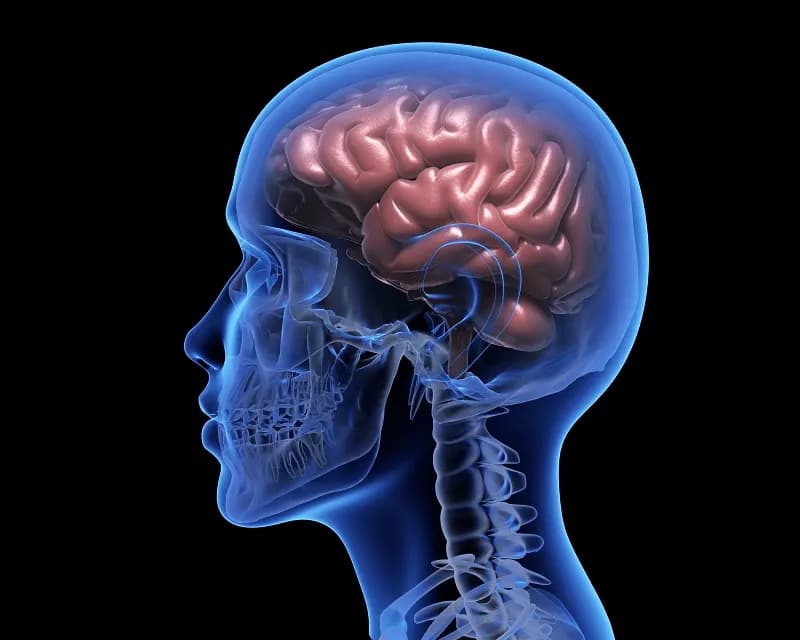
Recognising stroke symptoms in the first minutes can mean the difference between full recovery and permanent disability. Here is what every adult in Jaipur needs to know.
By Apex Hospitals · Published 18th July, 2026
Every year, stroke claims millions of lives globally and leaves countless survivors with lasting disability. According to the World Health Organization, stroke is the second leading cause of death worldwide and a leading cause of long-term adult disability. In India, the burden is growing, urban populations in cities like Jaipur are increasingly affected, partly due to rising rates of hypertension, diabetes, and sedentary lifestyles.
What makes stroke uniquely dangerous is its speed. Brain tissue begins to die within minutes of a blocked or ruptured blood vessel. Neurologists use the phrase time is brain — every minute a large-vessel stroke goes untreated, approximately 1.9 million neurons are lost. That is why recognising the early signs of stroke and calling for emergency help immediately is the single most important thing a bystander or patient can do.
The neurology team at Apex Hospitals, Jaipur and the hospital's 24x7 Emergency and Trauma department are equipped to manage acute stroke from the moment a patient arrives in time.
A stroke occurs when blood supply to part of the brain is suddenly interrupted. There are two main types:
Ischaemic stroke (about 85% of all strokes): A blood clot blocks an artery supplying the brain. This type is often treatable with clot-dissolving medication if the patient reaches hospital within the therapeutic window.
Haemorrhagic stroke: A blood vessel in or around the brain ruptures, causing bleeding into brain tissue. This type carries a higher short-term mortality risk.
A third related event, the Transient Ischaemic Attack (TIA), sometimes called a mini-stroke, produces stroke-like symptoms that resolve within 24 hours. A TIA is a serious warning that a full stroke may follow within days and must never be dismissed.
The FAST acronym was developed by stroke physicians to give the public a memorable, actionable checklist. The U.S. Centers for Disease Control and Prevention (CDC) recommends FAST as the primary public-awareness tool for stroke recognition:
F — Face drooping: Ask the person to smile. Does one side of the face droop or appear uneven? Facial asymmetry is one of the earliest and most visible signs of stroke.
A — Arm weakness: Ask the person to raise both arms. Does one arm drift downward or feel numb? Sudden one-sided weakness in the arm or leg is a classic stroke symptom.
S — Speech difficulty: Ask the person to repeat a simple sentence. Is their speech slurred, garbled, or impossible to understand?
T — Time to call emergency services: If you observe ANY of the above, call emergency services immediately. Note the exact time symptoms began, this information is critical for the treating team.
Some clinicians now use an expanded version, BE-FAST, which adds two earlier warning signs: B for sudden Balance loss and E for sudden loss of vision in one or both Eyes. These additions help capture posterior circulation strokes that FAST alone may miss.
While FAST covers the most common presentations, stroke symptoms can manifest in several other ways. The following symptoms, especially when they appear suddenly, should be treated as a potential stroke until proven otherwise:
Often described as the worst headache of my life, a thunderclap headache that peaks within seconds can signal a subarachnoid haemorrhage, bleeding around the brain. This is a neurosurgical emergency. Do not assume it is a migraine and wait it out.
The person may seem suddenly confused, unable to follow a conversation, or unable to understand what is being said to them. This comes on abruptly and is often accompanied by other symptoms.
Blurred or double vision, or sudden loss of vision in one or both eyes, can indicate a stroke affecting the visual cortex or the blood supply to the eye. This symptom is frequently underreported because patients assume it will pass.
Unexplained dizziness, unsteady gait, or sudden inability to walk straight — particularly when combined with any other symptom on this list — is a red flag. Posterior circulation strokes affecting the cerebellum often present this way.
One-sided numbness or weakness in the face, arm, or leg is a hallmark of stroke. Patients sometimes describe a feeling of the limb not belonging to them or an inability to grip objects.
Sudden trouble swallowing, choking on liquids or solids, can be an early sign of brainstem involvement. This symptom is particularly important to recognise in elderly patients who may not be able to communicate other symptoms clearly.
This is one of the most common questions patients ask, and the honest answer is: sometimes, yes. Many strokes appear to come out of nowhere, particularly in younger adults or in people who have not had their blood pressure or cholesterol checked recently. However, research suggests that a significant proportion of stroke patients experienced subtle warning signs in the hours or days beforesymptoms they dismissed as tiredness, stress, or a passing headache.
A TIA is the body's clearest warning shot. Studies show that the risk of a full stroke in the 48 hours following a TIA can be as high as 10 to 15 percent without prompt treatment. If you or a family member experienced any brief episode of weakness, speech difficulty, or vision change that resolved on its own, please seek urgent neurological evaluation immediately.
The Emergency and Trauma department at Apex Hospitals Jaipur operates 24 hours a day, 7 days a week, with on-site CT scanning and emergency laboratory support to evaluate suspected TIA and stroke at any hour.
Understanding your personal risk is the first step toward prevention — and many stroke risk factors are fully controllable. This section covers both risk factors and how to prevent stroke, which remains one of the most important things adults in Jaipur can do for their long-term health.
Hypertension (high blood pressure) — the single largest modifiable risk factor for stroke
Diabetes mellitus — doubles the risk of ischaemic stroke
Atrial fibrillation (irregular heart rhythm) — increases stroke risk five-fold; managed by the cardiology specialists at Apex Hospitals
High cholesterol and atherosclerosis
Smoking — doubles stroke risk and accelerates arterial disease
Obesity and physical inactivity
Prior stroke or TIA
Non-modifiable risk factors include age, male sex, and a family history of stroke. Even patients with multiple non-modifiable risk factors can significantly reduce their overall risk through lifestyle changes and appropriate medical management — including regular monitoring through internal medicine and preventive care at Apex Hospitals.
Stroke prevention starts with identifying and managing the risk factors above. Practical steps include:
• Get your blood pressure checked regularly — hypertension often has no symptoms and is the biggest stroke risk factor
• Control blood sugar if you are diabetic — even modest improvements reduce stroke risk significantly
• If you have an irregular heartbeat (atrial fibrillation), ask your cardiologist about blood-thinning treatment
• Stop smoking — stroke risk falls measurably within months of quitting
• Maintain a healthy weight and exercise at least 150 minutes per week
• Get a cholesterol test if you have never had one
• If you have had a TIA or prior stroke, strict adherence to prescribed blood-thinning medicines is essential
• Annual preventive health checks at Apex Hospitals cover blood pressure, blood sugar, cholesterol, and cardiac rhythm — all key stroke risk markers
Non-modifiable risk factors include age, male sex, and a family history of stroke. Even patients with multiple non-modifiable risk factors can significantly reduce their overall risk through lifestyle changes and appropriate medical management, including regular monitoring through internal medicine and preventive care at Apex Hospitals.
Acting correctly in the first minutes after stroke symptoms appear can save a life and preserve brain function. Follow these steps:
Do not wait and watch. If you see any FAST or BE-FAST signs, act immediately. Do not give the person food, water, or any medication.
Call emergency services or go directly to the nearest hospital emergency department. In Jaipur, Apex Hospitals Malviya Nagar can be reached at 98290 30011. The address is SP-4 and 6, Central Marg, Malviya Nagar Industrial Area, Jaipur, Rajasthan 302017.
Note the exact time symptoms started. The window for thrombolysis is typically 4.5 hours from symptom onset. The treating team needs this information urgently.
Keep the person calm and still. Help them lie down with their head and shoulders slightly elevated. Do not leave them alone.
Do not drive yourself if you are the one experiencing symptoms. Call for help and wait for an ambulance or have someone drive you.
Apex Hospitals operates equipped ambulance services and a dedicated emergency team trained in acute stroke management. On-site CT scanning is available around the clock to rapidly distinguish ischaemic from haemorrhagic stroke and guide treatment decisions.
When a stroke patient arrives at Apex Hospitals, the emergency and neurology teams work simultaneously to confirm the diagnosis and begin treatment as quickly as possible. Here is what stroke treatment looks like:
1. CT Scan (immediate): An urgent CT scan distinguishes ischaemic stroke (blocked artery) from haemorrhagic stroke (bleeding), since treatment for the two types is different.
2. Thrombolysis (clot-busting treatment): For eligible patients with ischaemic stroke, clot-dissolving medicine (administered by the treating team) can dissolve the clot and restore blood flow if administered within 4.5 hours of symptom onset. Time is critical.
3. Clot retrieval procedure: For patients with a large blocked artery, a specialist procedure can physically remove the clot using a thin tube guided to the affected vessel. This can be performed up to 24 hours from symptom onset in selected patients.
4. Haemorrhagic stroke management: Treatment focuses on controlling bleeding, reducing brain pressure, and managing blood pressure. Neurosurgical intervention may be required in some cases.
5. ICU and neurology monitoring: After initial treatment, patients are monitored in a specialist setting for blood pressure control, clot prevention, and neurological recovery.
The neurology and emergency teams at Apex Hospitals are equipped to deliver this pathway around the clock. For critically ill stroke patients, the ICU and Critical Care department provides specialist support alongside the neurology team.
Surviving a stroke is only the beginning of the journey. The brain has a remarkable capacity for reorganisation — a property called neuroplasticity — but recovery requires structured, consistent rehabilitation starting as early as possible after the acute event.
At Apex Hospitals, stroke survivors have access to a multidisciplinary recovery pathway that includes neurological monitoring, speech therapy, and the hospital's in-house physiotherapy and rehabilitation unit. Early mobilisation, guided exercises, and cognitive rehabilitation are all part of the post-stroke care plan. For patients with swallowing difficulties, dietetic support is available through the dietetics and nutrition department.
Patients who require ongoing neurological monitoring after discharge can continue care with the neurology specialists at Apex Hospitals Jaipur, who manage secondary stroke prevention, medication optimisation, and long-term follow-up.
The most common first signs are sudden facial drooping on one side, weakness or numbness in one arm or leg, and slurred or garbled speech. A sudden severe headache, vision changes, or loss of balance can also be early signs. Use the FAST or BE-FAST checklist to assess quickly.
If you suddenly cannot lift one arm, your face feels numb or droops on one side, your speech sounds strange to others, or you have a sudden blinding headache unlike any you have had before — these are serious warning signs. Do not try to self-diagnose. Call for help immediately and get to an emergency department.
FAST stands for: Face drooping, Arm weakness, Speech difficulty, and Time to call emergency services. It is the internationally recognised public-awareness tool for identifying stroke symptoms quickly.
Some strokes appear to occur without prior warning, but many patients later recall brief episodes of weakness, speech difficulty, or vision changes that they dismissed. A transient ischaemic attack (TIA or mini-stroke) is a critical warning sign that a full stroke may follow. Any brief neurological episode should be evaluated urgently.
Call emergency services or take the person to the nearest hospital emergency department immediately. Note the exact time symptoms began. Keep the person calm, do not give them anything to eat or drink, and do not leave them alone. At Apex Hospitals Jaipur, the emergency team is available 24x7 at 98290 30011.
Women can experience the same FAST symptoms as men, but they are also more likely to report atypical symptoms such as sudden nausea, hiccups, extreme fatigue, or confusion. These less-recognised symptoms can lead to delayed treatment, which is why awareness of the full spectrum of stroke signs is important for everyone.
The neurology and emergency teams at Apex Hospitals, Jaipur are available 24x7 to evaluate stroke symptoms, assess TIA, and guide personalised prevention.

Download Our App


Powered By Docfyn