What is Oral cancer?
Oral cancer, alternatively referred to as mouth cancer or cancer of the oral cavity, encompasses a variety of cancers originating in the mouth area. Predominantly, these cancers manifest on the lips, tongue, and floor of the mouth, although they may also develop in the cheeks, gums, roof of the mouth, tonsils, and salivary glands. Mouth cancers are typically categorized as head and neck cancers.
It is estimated that approximately 77,000 new cases of oral cancer occur annually in India. Men are at a higher risk of developing oral cancer compared to women.
The primary treatments for oral cancer include surgery, radiotherapy, and chemotherapy, either as standalone treatments or combined approaches.
Your treatment plan is determined by factors such as the size of the cancer, its stage (extent of spread), and the specific area of the tongue affected.
Surgery
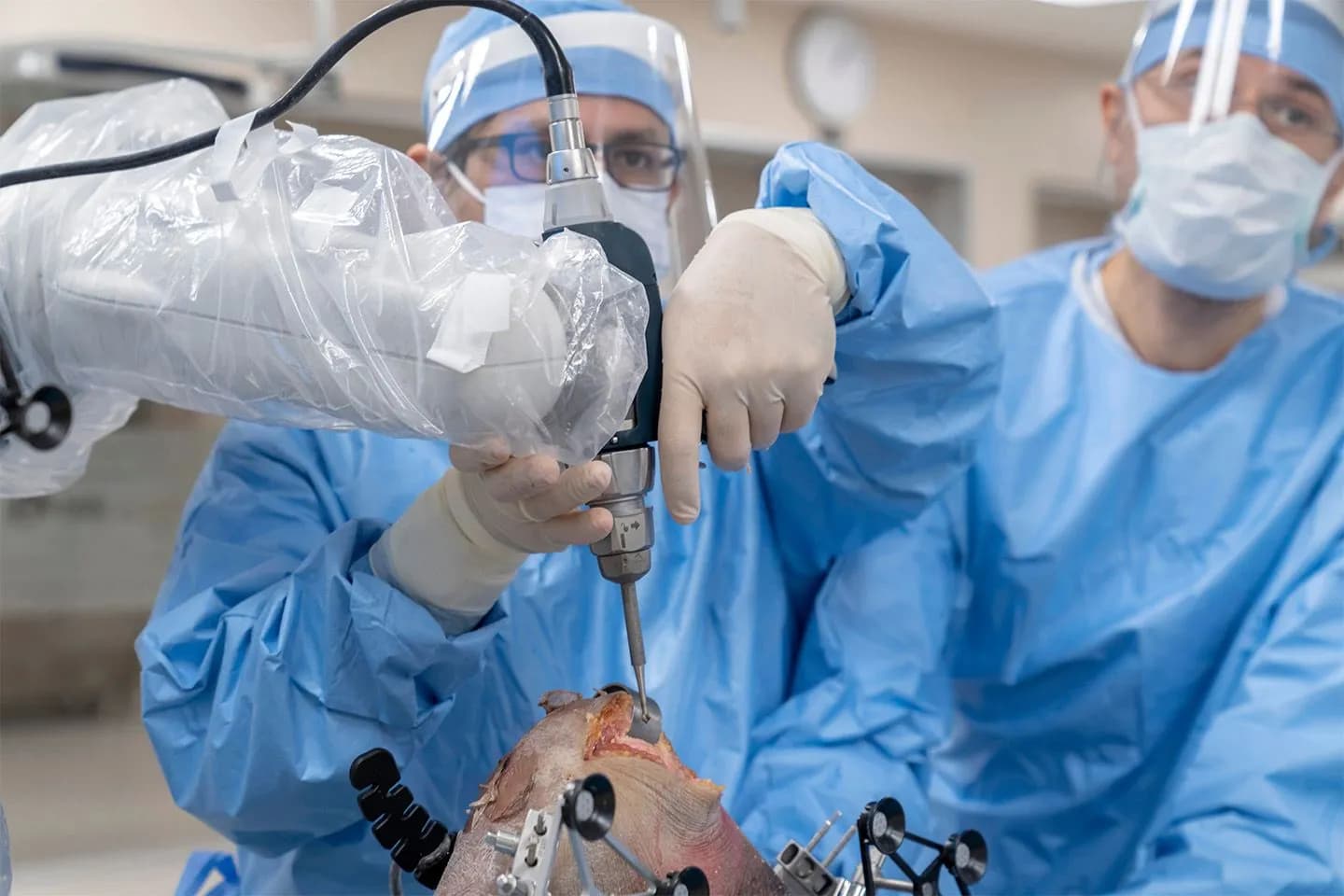
Your surgeon performs a primary tumour resection by removing the cancerous growth and a surrounding average tissue margin. This ensures thorough removal of the cancer cells. The procedure varies depending on the location of the cancer.
For small cancers, a simple operation under local anaesthesia or laser surgery may suffice, allowing for outpatient treatment without the need for hospitalization.
However, more significant cancers may necessitate a more extensive procedure, requiring hospitalization. In such cases, you may undergo a glossectomy, which involves the removal of part or all of the tongue. This is a significant operation, often followed by tongue reconstruction performed by your surgeon.
The surgeon typically performs a neck dissection, removing the lymph nodes from one or both sides of your neck. This procedure helps reduce the risk of cancer recurrence in the future.
Radiotherapy
Radiotherapy employs high-energy waves, akin to X-rays, to eradicate cancer cells.
Radiotherapy may be administered in the following scenarios:
- As the primary treatment, either alone or following surgery.
- Combined with chemotherapy (chemoradiotherapy) as the primary treatment or following surgery.
- To alleviate the symptoms of advanced tongue cancer.
During radiotherapy, the affected tongue area is targeted, and the doctor may also treat the lymph nodes in your neck.
Chemotherapy
Chemotherapy employs cytotoxic drugs to combat cancer cells.
Combining chemotherapy with radiotherapy (chemoradiotherapy) is a common approach, as chemotherapy enhances the effectiveness of radiotherapy. This combined treatment may be administered:
- After surgery, if there is a high risk of cancer recurrence.
- As the primary treatment for locally advanced cancer or advanced cancer that has spread to other parts of the body.
Typically, a PET-CT scan is performed a few months after chemoradiotherapy to assess if cancer is present in the lymph nodes. If signs of cancer are detected, surgery to remove the lymph nodes is usually recommended.
In some cases, chemotherapy may be given before the primary treatment to shrink the cancer. This approach, known as neoadjuvant treatment, is rare.
Radiation Therapy
If cancer recurs in the same area following initial treatment with radiation therapy, surgery is often considered the next step, provided that the tumour can be removed entirely and the patient is deemed fit for surgery. External beam radiation therapy cannot be repeated at the same site except under certain circumstances. However, internal radiation therapy, known as brachytherapy, is often a viable option to manage recurrent cancer if it reappears in its original location.
Speak to our team about oral cancer.
Are you or a loved one seeking information and guidance on oral cancer treatment? Our experienced experts are here to provide you with comprehensive support and personalized care throughout your journey. We understand the challenges that come with a diagnosis of oral cancer, and we are committed to helping you navigate through your treatment options with confidence and clarity.
At Apex Hospitals, we prioritize your well-being and strive to provide compassionate, patient-centred care every step of the way. We aim to empower you with the knowledge and support you need to face oral cancer with confidence and resilience.
Schedule a consultation with our team today to explore your oral cancer treatment options and take the first step towards a brighter, healthier future.