What is Lumbar Decompression Surgery?
Lumbar decompression surgery is a surgical procedure performed to alleviate pressure on the spinal nerves or spinal cord in the lumbar (lower back) region. The surgery aims to relieve symptoms caused by compression of the spinal nerves, such as pain, numbness, tingling, or weakness in the lower back, buttocks, legs, or feet.
During lumbar decompression surgery, the surgeon removes some bone or soft tissue pressing on the spinal nerves or spinal cord. This can involve removing part of a herniated disc, thickened ligaments, bone spurs, or other structures causing compression.
Who needs Lumbar decompression surgery?
Lumbar decompression surgery is employed to address various conditions, including:
- Spinal stenosis: This condition involves narrowing a spinal column segment, which compresses the nerves within.
- Disc herniation and sciatica: It targets cases where a damaged spinal disc protrudes and applies pressure on an underlying nerve, causing sciatic nerve pain.
- Spinal injuries: Lumbar decompression surgery is utilized to address spinal fractures or tissue swelling resulting from trauma.
- Metastatic spinal cord compression: In instances where cancer from another part of the body, such as the lungs, spreads to the spine and compresses the spinal cord or nerves, this surgery may be warranted.
Procedure Details
During the procedure
If lumbar decompression surgery is advised, you may undergo one or more of the following procedures:
- Laminectomy involves removing a portion of bone from one of the vertebrae (spinal bones) to alleviate pressure on the affected nerve.
- Discectomy: In this procedure, a segment of a damaged disc is excised to relieve pressure on a nerve.
- Spinal fusion: This technique involves fusing two or more vertebrae using a bone graft to stabilize and strengthen the spine.
In some instances, a combination of these techniques may be employed.
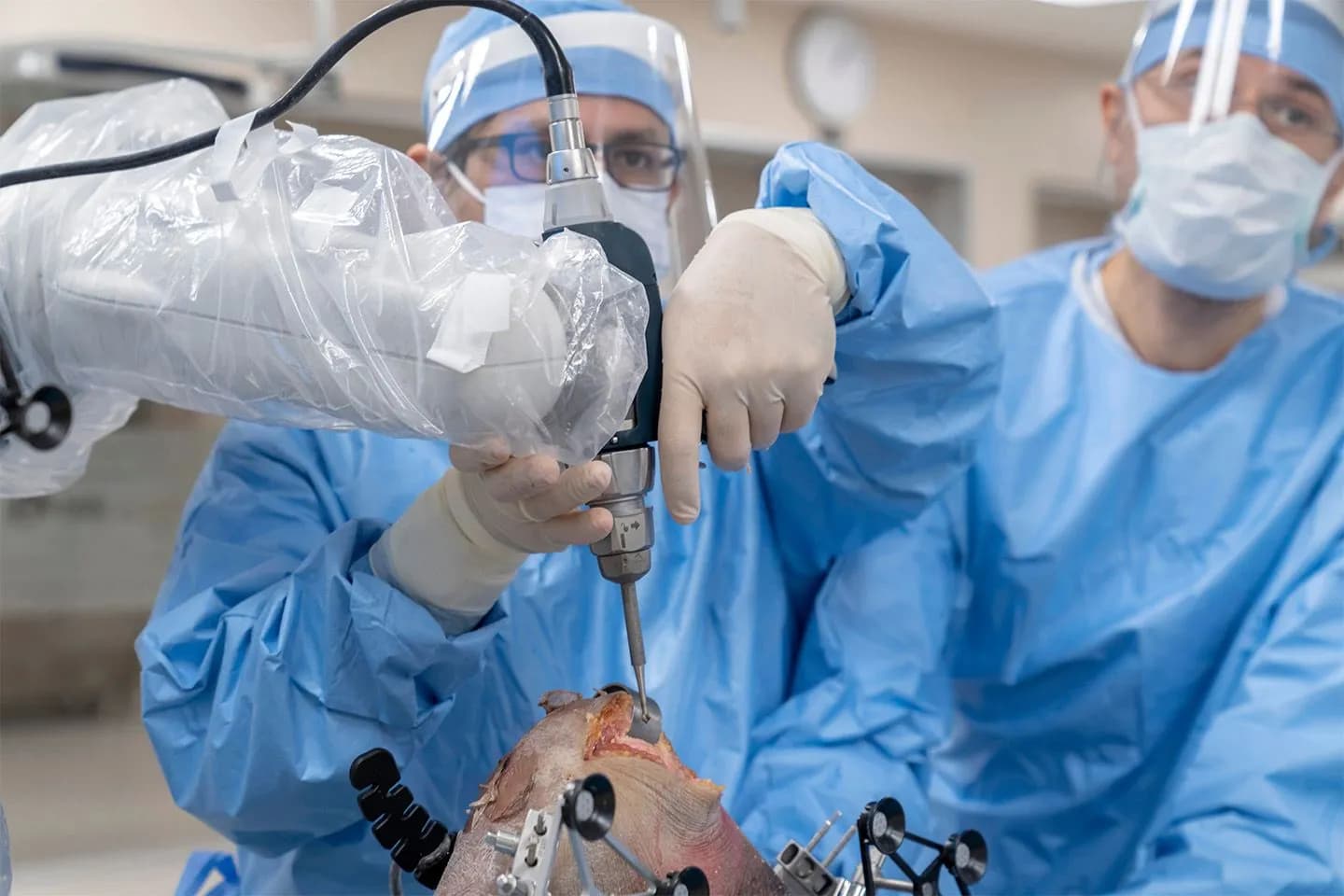
Lumbar decompression surgery is typically performed under general anaesthesia, ensuring you remain unconscious throughout the procedure and experience no pain. The duration of the operation usually exceeds an hour but may vary depending on its complexity.
Recovery from the process
Typically, you can expect to be discharged from the hospital within 1 to 4 days following the surgery. Still, this time may vary depending on the complexity of the procedure and your pre-operative mobility.
Many individuals regain the ability to walk independently within a day of surgery, although it's advisable to refrain from engaging in strenuous activities for approximately six weeks.
Returning to work may be feasible after 4 to 6 weeks, but additional time off might be necessary if your job entails prolonged driving or heavy lifting periods.
Speak to our experts about lumbar decompression surgery.
Please consult with our experts to learn more about lumbar decompression surgery. Our experienced team is here to provide you with comprehensive information and guidance tailored to your specific needs and concerns. Whether you have questions about the procedure, potential risks and benefits, or post-operative care, we're here to offer support every step of the way. Don't hesitate to contact us for personalized assistance and expert insights.