What is Joint Aspiration?
Joints are the vital connectors between bones that allow us to move, bend, and stay active. Due to injury, inflammation, or certain medical conditions, excess fluid can build up inside a joint, known as joint effusion. This can lead to swelling, discomfort, and restricted movement.
Joint aspiration is a simple and commonly performed procedure to remove this fluid using a thin, sterile needle and syringe. Often done on large joints like the knee or shoulder, the method can also be carried out on the ankle, elbow, wrist, or hip.
Joint aspiration aims to relieve pressure and pain caused by swelling and collect fluid for lab testing. This helps doctors diagnose possible infections, gout, arthritis, or other joint-related conditions. To ensure comfort, a local anaesthetic is usually applied before the procedure.
Joint aspiration is a quick and effective way to ease symptoms and gather crucial information about joint health. In just a short visit, patients can receive relief and answers.
Why is joint aspiration necessary?
Joint aspiration is a simple yet essential procedure to diagnose and relieve joint-related problems. When a joint becomes swollen, stiff, or painful, it's often due to an excess buildup of fluid, commonly triggered by conditions like arthritis, gout, infection, or injury. This extra fluid can increase pressure in the joint, making movement uncomfortable or even painful.
Through joint aspiration, a thin, sterile needle is used to remove this fluid gently. Not only does this often bring immediate relief by reducing swelling and easing discomfort, but it also allows doctors to send the fluid to a laboratory for closer examination. The fluid's colour, clarity, and content, whether clear, cloudy, or tinged with blood, offer important clues about what's going on inside the joint. For example, cloudiness may indicate inflammation, while the presence of crystals or bacteria can confirm conditions like gout or infection.
In many cases, joint aspiration does more than diagnose; it can also serve as a treatment. Relieving pressure helps restore movement and comfort. Sometimes, doctors also use the same procedure to inject medications like corticosteroids directly into the joint to reduce inflammation further and enhance recovery.
Overall, joint aspiration is a valuable tool that combines symptom relief with insightful diagnosis, supporting a more effective and personalised treatment plan for each patient.
Procedure details
Before the procedure
In most cases, joint aspiration doesn't require any special preparation. Your doctor will guide you through the process and explain what to expect. However, sharing specific health details beforehand ensures your safety and comfort.
Let your doctor know if you have any allergies, especially to medications, latex, or antiseptics that might be used during the procedure. You should also mention all the medicines and supplements you're currently taking, including over-the-counter drugs and herbal remedies.
If you have a bleeding disorder or are taking blood-thinning medications like aspirin, warfarin, or similar, inform your doctor, as these can affect how the procedure is performed. Additionally, if you're pregnant or suspect you might be, bring that up during your consultation.
During the procedure
Joint aspiration is a simple and typically quick procedure, often performed in a clinic or hospital setting. Here's what you can expect:
First, the area around the affected joint is cleaned thoroughly to reduce the risk of infection. A local anaesthetic is usually applied to numb the skin and surrounding tissues, so you'll feel minimal discomfort during the procedure.
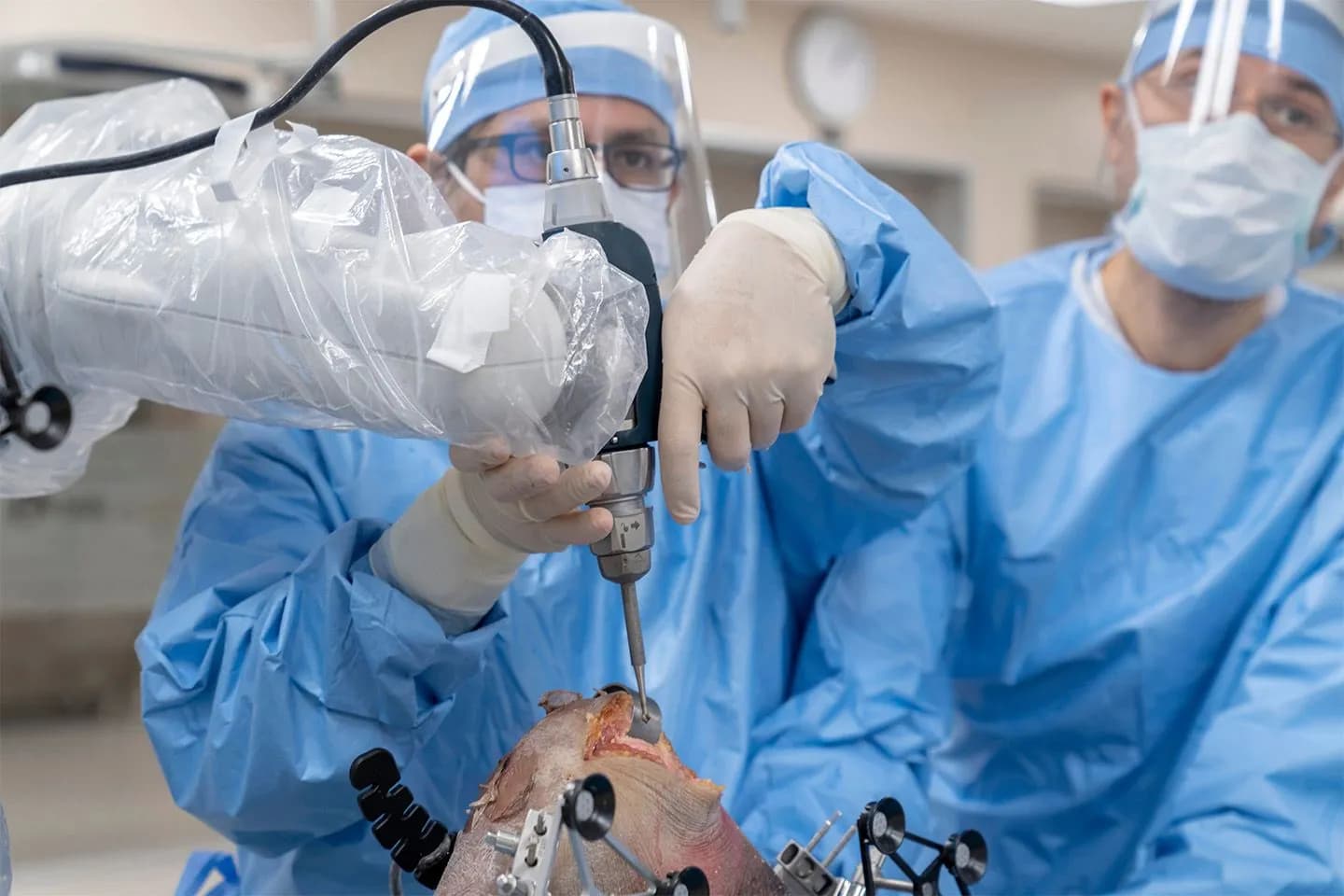
Once the area is numb, your doctor inserts a thin, sterile needle into the joint space. The doctor carefully draws out the excess fluid using a syringe attached to the needle. You may feel some pressure, but it's generally not painful.
The procedure usually takes just a few minutes. The fluid removed can vary depending on how much has built up. Sometimes, after the fluid is withdrawn, your doctor may inject medication, like a corticosteroid, directly into the joint to help reduce inflammation and pain.
Afterwards, a small bandage is placed over the site. Most people can return to their usual activities shortly after, though you should rest the joint briefly. The fluid collected is often sent to a lab for analysis to help diagnose the cause of joint swelling or pain.
After the procedure
After joint aspiration, most people can go home the same day and resume their routine with minimal disruption. However, it’s essential to care for the joint and follow your doctor’s instructions to ensure proper healing and avoid complications.
You may feel some soreness, mild swelling, or bruising at the site where the needle was inserted. This is usually temporary and can be managed with rest, ice packs, and over-the-counter pain relievers.
It’s generally recommended to avoid strenuous activities or putting too much pressure on the joint for at least 24 hours. If necessary, your doctor may suggest elevating the joint and using a support bandage.
If fluid was sent to the lab for testing, your healthcare provider will contact you with the results and discuss the next steps in your treatment plan.
Watch for signs of infection or complications, such as increasing pain, redness, warmth, or fever, and contact your doctor right away if you notice any of these symptoms.
With proper aftercare, joint aspiration is a safe and effective procedure providing relief and valuable insight into your joint health.
Joint aspiration, is a quick and effective procedure to remove excess fluid from swollen or painful joints. It helps relieve discomfort and diagnose joint conditions. At Apex Hospitals, our expert team uses advanced techniques to ensure a safe and comfortable experience. Book your appointment today for personalised care and an accurate diagnosis for your joint health.