What are Aortic Aneurysms?
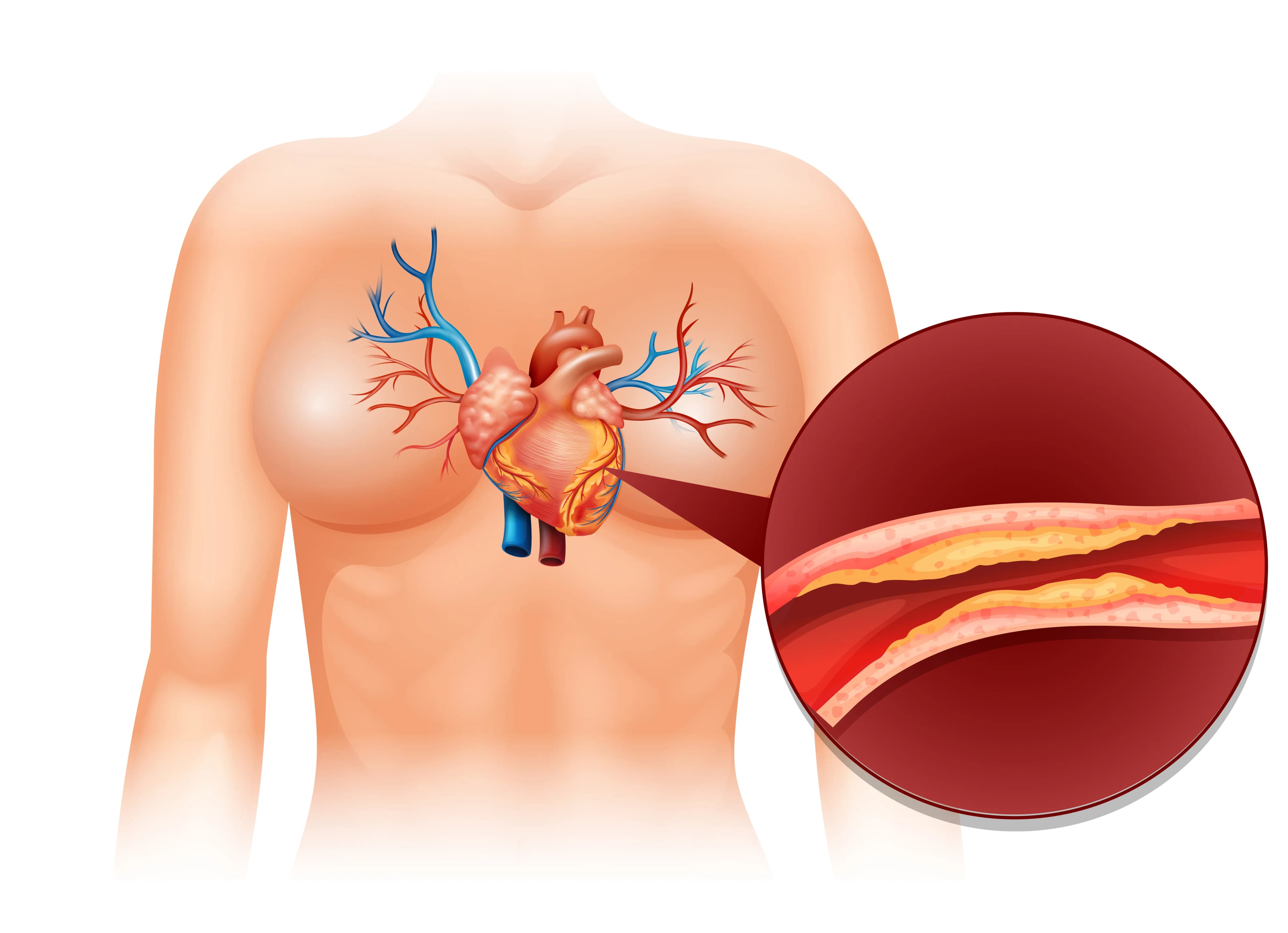
An aortic aneurysm is a bulge or dilation in the wall of the aorta, the main artery that carries blood from the heart to the rest of the body. If undetected or untreated, it can grow and eventually rupture, leading to life-threatening internal bleeding.
Types of Aortic Aneurysms:
- Abdominal Aortic Aneurysm (AAA): This occurs in the section of the aorta that runs through the abdomen. It's the most common type and often goes unnoticed until it becomes large or ruptures.
- Thoracic Aortic Aneurysm (TAA): This develops in the part of the aorta that passes through the chest. As it enlarges, it may cause symptoms such as chest pain, coughing, or shortness of breath.
Most aneurysms are asymptomatic and discovered during routine screenings or imaging tests for other conditions. However, when symptoms appear, they may include:
- Persistent chest or abdominal pain
- Shortness of breath
- Pulsating sensation in the abdomen
Why Early Treatment is Crucial
Timely aortic aneurysm treatment can prevent rupture and improve survival rates. At Apex Hospitals, we offer both open surgical repair and minimally invasive procedures like:
Open Aneurysm Repair:
In this traditional surgical method, the damaged section of the aorta is removed and replaced with a synthetic graft — a durable tube-like material. This graft helps restore normal blood flow and reinforces the artery wall. Open surgery is also commonly performed in emergencies when an aneurysm has ruptured.
Endovascular Aneurysm Repair (EVAR):
Endovascular surgery is a less invasive approach used to treat aortic aneurysms. In this procedure, a thin, flexible tube called a catheter is inserted through a small incision, usually in the groin. The surgeon guides the catheter to the site of the aneurysm and places a stent graft—a fabric-covered metal mesh—to strengthen the weakened section of the aorta and restore proper blood flow. This technique is commonly referred to as Thoracic Endovascular Aneurysm Repair (TEVAR) when performed in the chest region.
Aortic Aneurysm Treatment at Apex Hospitals, Jaipur
As the best hospital for aortic aneurysm in Jaipur, Apex Hospitals is equipped with cutting-edge imaging and vascular surgery technology. Our team of vascular surgeons is experienced in managing complex cases using personalized treatment plans.
Don't wait for symptoms to get worse. If you or a loved one has been diagnosed with an aortic aneurysm or is experiencing suspicious symptoms, consult the specialists at Apex Hospitals Jaipur today.