What is bladder cancer?
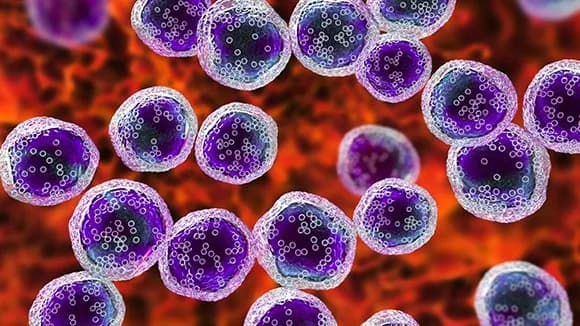
The development of bladder cancer begins when the cells that compose the urinary bladder multiply uncontrolled. When more cancer cells are produced, they have the potential to generate a tumour, which can then, over time, spread to other areas of the body. (To know more about bladder cancer, read our blog on bladder cancer).
One of the hollow organs located in the lower pelvis is the bladder. Urine is the primary content that it stores. The kidneys are responsible for producing urine, a liquid waste product that is transported to the bladder via tubes known as ureters. To urinate, the muscles that line the walls of the bladder contract, and urine is expelled from the bladder through a tube known as the urethra while the muscles contract.
Treatment of bladder cancer by stage
In most cases, the treatment for bladder cancer is determined by the clinical stage of the tumour at the time of the initial diagnosis. This includes the extent to which it is believed to have developed into the bladder wall and whether or not it has gone outside the bladder. Additionally, treatment options are influenced by various other criteria, including the size of the tumour, the rate at which the cancer cells are growing (grade), and the individual's overall health and personal preferences.
Intravesical therapy for bladder cancer
In intravesical therapy, a liquid drug is directly administered into the bladder, deviating from the conventional methods of oral or bloodstream injection. This process involves delivering the medication through a urinary catheter inserted into the bladder via the urethra. Primarily employed for certain early-stage bladder cancers confined to the inner lining of the bladder or its immediate vicinity—typically where the majority of bladder cancers originate—intravesical therapy offers a targeted approach to treatment.
Chemotherapy for bladder cancer
Chemotherapy, or chemo, involves the use of drugs to combat cancer. It is employed in various scenarios:
- Before Surgery: Chemo may be administered before surgery to reduce the size of a tumour, facilitating easier removal and diminishing the likelihood of cancer recurrence. This preliminary chemo is termed neoadjuvant therapy.
- After Surgery or Radiation Therapy: Following surgery (or occasionally after radiation therapy), chemo, or adjuvant therapy, is utilized. Adjuvant therapy's objective is to eliminate any remaining cancer cells after other treatments, thereby reducing the risk of cancer recurrence.
- Enhancing Radiation Therapy: Chemo is sometimes given alongside radiation therapy to improve effectiveness.
- Primary Treatment for Advanced Bladder Cancers: In cases of more advanced bladder cancers, chemotherapy may serve as the primary treatment approach.
Radiation therapy for bladder cancer
Radiation therapy employs high-energy radiation to eliminate cancer cells.
Radiation therapy can be used in various cases:
- Adjunctive Treatment for Early-Stage Bladder Cancers: After surgeries like Transurethral Resection of Bladder Tumour (TURBT) that don't entirely remove the bladder, radiation therapy can be part of the treatment plan for some early-stage bladder cancers.
- Primary Treatment for Inoperable or Chemotherapy-Ineligible Individuals: For individuals with earlier-stage cancers who are ineligible for surgery or chemotherapy, radiation therapy may serve as the primary treatment.
- Avoiding Cystectomy: To circumvent cystectomy (bladder removal surgery), radiation therapy may be employed.
- Treatment for Advanced Bladder Cancer: Radiation therapy can be a component of the treatment regimen for advanced bladder cancer, where the cancer has spread beyond the bladder.
- Combination with Chemotherapy: Radiation therapy is often combined with chemotherapy (chemoradiation) to enhance the effectiveness of radiation, particularly in cases of advanced bladder cancer.
Immunotherapy for bladder cancer
Immunotherapy involves using medications to assist a person's immune system identify and eliminating cancer cells. This form of treatment is occasionally employed in the management of bladder cancer.
Targeted therapy for Bladder cancer
Advancements in cancer research have led to newer drugs targeting the internal cellular changes responsible for cancer. These targeted drugs operate differently from traditional treatments like chemotherapy, often proving effective in cases where other treatments may fall short. Additionally, targeted drugs may exhibit distinct side effects compared to conventional therapies.
Surgery for bladder cancer
Surgery plays a crucial role in the treatment of most bladder cancers, with the specific type of surgery determined by the cancer's stage and individual choices considering potential long-term side effects. Transurethral resection of bladder tumour (TURBT) or transurethral resection (TUR) is commonly employed to diagnose bladder cancer and assess its invasion into the muscle layer of the bladder wall. In cases where the tumour is invasive, a cystectomy may be necessary, involving the partial or complete removal of the bladder. Chemotherapy is often administered before cystectomy. Both types of cystectomies are performed under general anaesthesia.
Speak to our team for bladder cancer treatment
Contact our dedicated team at Apex Hospitals for comprehensive and compassionate bladder cancer treatment. Our experienced specialists are committed to providing personalized care tailored to your unique needs. From accurate diagnosis to advanced treatment options, we are here to guide you through every step of your journey. Our multidisciplinary approach ensures you receive the highest standard of care, incorporating the latest advancements in medical science. Your health is our priority, and we strive to offer support, expertise, and practical solutions for individuals facing bladder cancer. Speak to our team today to explore the treatment options available and embark on a path towards recovery.