What is Robotic pyeloplasty?
When the kidney produces urine, it collects in the renal pelvis. Like a funnel pouring oil into a car engine, the renal pelvis is wide at the top and narrows at the bottom, directing urine into the ureter.
The ureter, a long, thin muscular tube, transports the urine from the renal pelvis to the bladder for storage. Ureteropelvic junction (UPJ) obstruction occurs when a blockage forms where the renal pelvis and ureter meet at the base of this "funnel." In cases of UPJ obstruction, urine cannot flow properly from the kidney into the ureter, causing urine and pressure to build up in the renal pelvis and kidney. This buildup can lead to pain, kidney stones, and gradual loss of kidney function.
Traditionally, treating UPJ obstruction involved a large open surgical incision beneath the ribs to remove the blocked section and reattach the healthy ureter to the renal pelvis. In recent years, robotic pyeloplasty has emerged as a minimally invasive alternative. This technique achieves the same high success rate as open surgery (over 90%) but with smaller incisions, less pain, and quicker recovery. Robotic pyeloplasty is now a preferred method for repairing UPJ obstructions.
Why you might need a robotic pyeloplasty?
You might need a robotic pyeloplasty if you are diagnosed with a ureteropelvic junction (UPJ) obstruction. In this condition, a blockage occurs at the intersection between the kidney’s renal pelvis and the ureter. This obstruction prevents urine from properly draining from the kidney into the ureter and bladder, leading to a buildup of urine and pressure within the kidney. Here are some reasons why robotic pyeloplasty might be recommended:
- Relieve Blockage: The primary purpose of robotic pyeloplasty is to relieve UPJ obstruction, restore normal urine flow from the kidney to the bladder, and prevent further complications.
- Prevent Kidney Damage: If left untreated, UPJ obstruction can lead to progressive kidney damage, causing permanent loss of kidney function. Robotic pyeloplasty helps prevent long-term kidney damage by resolving the obstruction.
- Alleviate Pain and Discomfort: UPJ obstruction can cause significant discomfort, including flank (side) or abdomen pain. The surgery can alleviate this pain by allowing urine to flow freely and reducing pressure on the kidney.
- Reduce the Risk of Kidney Stones: Kidney stones can be caused by urine buildup due to blockage. Robotic pyeloplasty reduces this risk by removing the obstruction and improving urine drainage.
- Minimize Urinary Tract Infections: UPJ obstruction can increase the likelihood of recurrent urinary tract infections (UTIs). By resolving the blockage, robotic pyeloplasty helps lower the risk of future infections.
- Improve Overall Kidney Function: In cases where kidney function has declined due to obstruction, robotic pyeloplasty can help restore or improve kidney function by ensuring proper urine flow.
- Minimally Invasive Treatment: Robotic pyeloplasty offers a minimally invasive approach with smaller incisions, faster recovery times, and less pain than traditional open surgery, making it an ideal choice for many patients.
Robotic Surgery System at Apex Hospitals
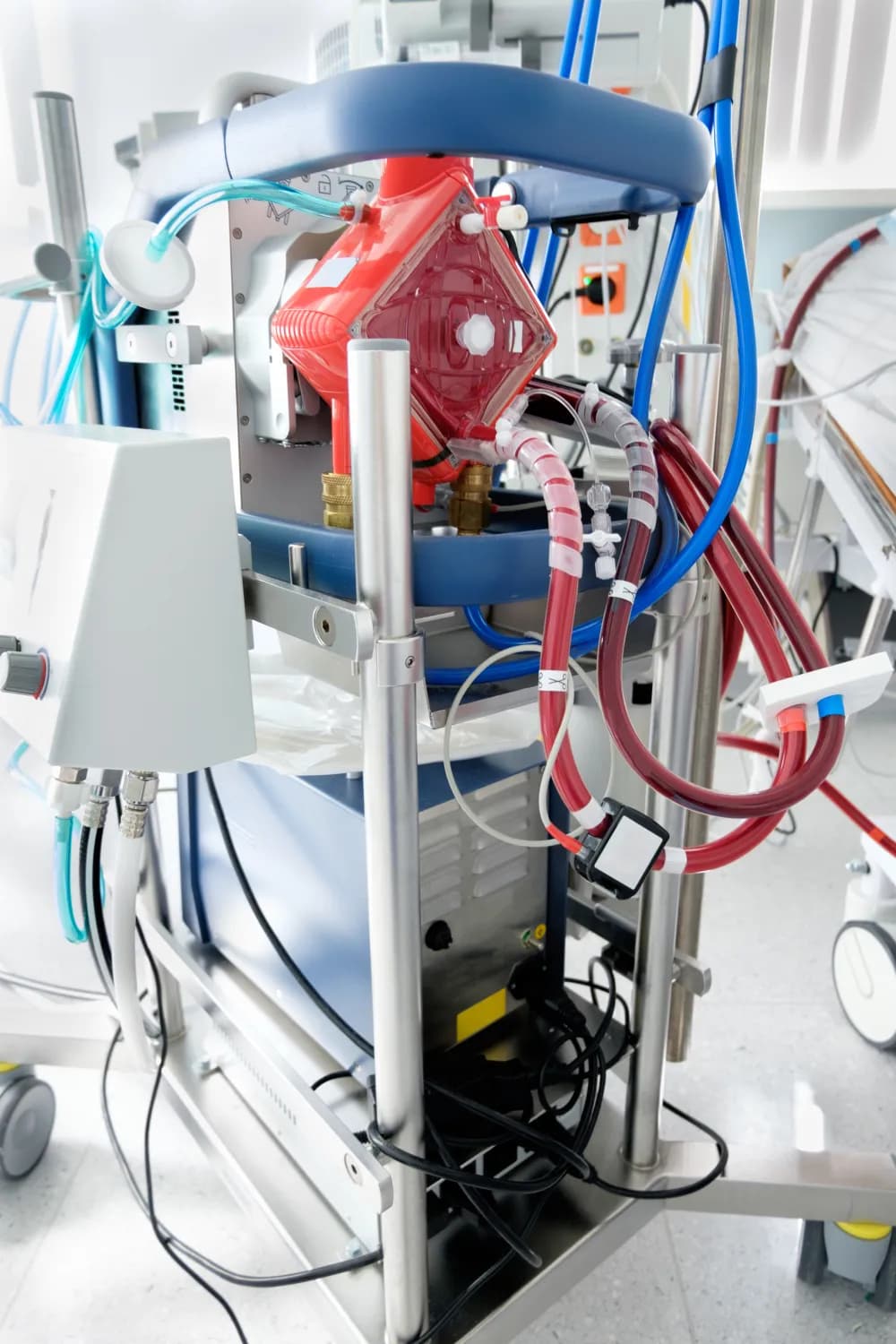
Robotic pyeloplasty is performed using the SSI MANTRA surgical system. This cutting-edge, India-made robotic platform enables surgeons to treat UPJ obstruction with superior vision, control, and precision, all at an affordable cost. Our advanced program is supported by highly skilled surgeons, nurses, and technicians, all trained to utilize this technology expertly. By minimizing surgical trauma, we strive to improve our patients' long-term survival rates and enhance their overall quality of life.
What are the risks associated with robotic pyeloplasty?
While robotic pyeloplasty is considered a safe and minimally invasive procedure, like any surgery, it carries certain risks and potential complications. Below are some of the possible risks associated with robotic pyeloplasty:
- Infection: As with any surgery, there is a risk of infection at the incision sites or internally, such as in the urinary tract. Antibiotics are typically given to reduce this risk.
- Bleeding: Although robotic surgery generally causes less bleeding than open surgery, there is still a possibility of blood loss during the procedure, which may require a blood transfusion in rare cases.
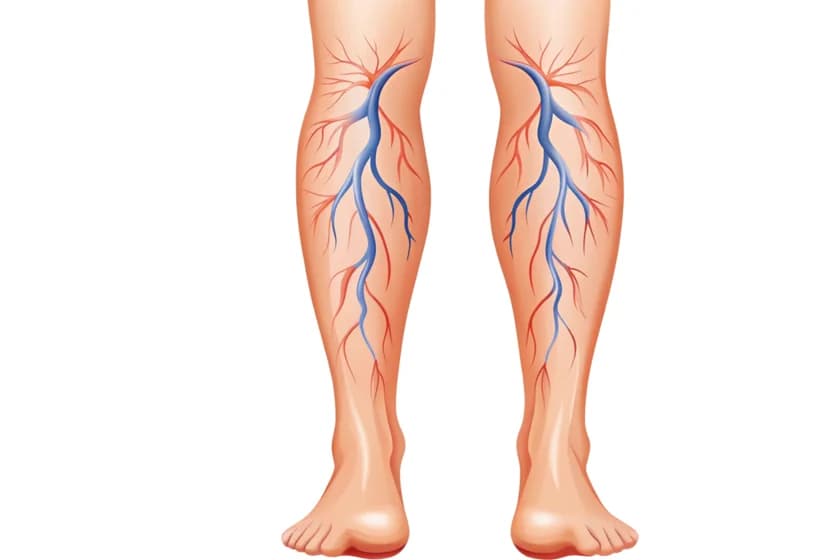
- Blood Clots (Deep Vein Thrombosis): Any surgical procedure can increase the risk of blood clots forming in the legs (deep vein thrombosis), which can travel to the lungs (pulmonary embolism). Preventive measures are usually taken to reduce this risk.
What happens during Robotic pyeloplasty?
The first step of the procedure involves administering anaesthesia to ensure you are completely asleep and unaware during the surgery.
The operation typically lasts 3 to 4 hours, although this duration can vary based on individual circumstances.
To perform the surgery, three tiny incisions (about 1 cm each) are made in your abdomen. At the beginning of the operation, a small plastic tube, known as a stent, is inserted into the ureter—the tube connecting the kidney to the bladder. This stent helps facilitate urine drainage from the affected kidney while the surgical repair heals.3
The stent will remain in place for approximately 4 to 6 weeks, after which you will return as an outpatient to have it removed. This procedure will be done under local anaesthesia through the urethra.
Additionally, a catheter will be placed in your bladder to allow for urine drainage during your recovery. It's normal for the urine to contain some blood, but this should resolve within a day or two. The catheter will be removed once you can walk around, typically within one to two days.
You may also have a drain in your abdomen to help remove excess blood or fluid. This drain will be removed when the output decreases significantly.
Speak to our team about Robotic pyeloplasty
Are you dealing with ureteropelvic junction (UPJ) obstruction? Our expert team at Apex Hospitals is here to help! Robotic pyeloplasty is a minimally invasive procedure that effectively resolves this condition, allowing for a quicker recovery and less postoperative pain compared to traditional surgery.
With a success rate of over 90%, our robotic-assisted approach ensures precision and safety. If you have questions or want to learn more about how robotic pyeloplasty can benefit you, don’t hesitate to reach out. We're here to provide the support and care you need!