What is Robotic hernia repair surgery?
Robotic hernia repair surgery is minimally invasive and addresses hernias through small incisions. A hernia occurs when an organ protrudes through a muscle or tissue wall that usually contains it. This surgery aims to reposition the herniated organ and reinforce the surrounding muscles to create a strong barrier.
Robotic technology enhances the surgical process compared to traditional laparoscopic techniques. The robotic arms provide greater flexibility and precision, allowing the surgeon to perform intricate repairs and suturing inside the body easily. Additionally, the robotic system offers a high-definition, three-dimensional view of the abdominal cavity, enabling the surgeon to visualize the area more clearly during the procedure. This combination of advanced technology and skilled technique improves outcomes for patients undergoing robotic hernia surgery.
Why might you need a Robotic hernia repair surgery?
Robotic hernia repair surgery is a robot-assisted procedure designed to treat various hernias. This technique can effectively address:
- Abdominal hernias, including inguinal, femoral, and umbilical hernias
- Diaphragmatic or hiatal hernias
- Incisional hernias
Utilizing robotic technology to make incisions and perform sutures enhances the overall effectiveness of the surgery and accelerates patients' recovery.
Robotic Surgery System at Apex Hospitals
Robotic hernia repair surgery is performed using the SSI MANTRA surgical system. This cutting-edge, India-made robotic platform enables surgeons to treat various types of hernias with superior vision, control, and precision, all at an affordable cost. Our advanced program is supported by highly skilled surgeons, nurses, and technicians, all trained to utilize this technology expertly. By minimizing surgical trauma, we strive to improve our patients' long-term survival rates and enhance their overall quality of life.
Risks Associated with Robotic hernia repair surgery
Similar to laparoscopic procedures, robotic hernia repair surgery is generally considered safe and minimally invasive. However, like all surgical interventions, it carries certain risks and potential complications, including:
- Bleeding
- Pain during intercourse
- Adverse reactions to anaesthesia
- Seromas (fluid accumulation)
- Hematomas (blood accumulation)
- Injury to surrounding tissues, organs, or blood vessels
- Infection at the incision site or within the repair area
- Urinary issues, which may necessitate temporary catheterization
There is also a possibility of hernia recurrence.
While mild to moderate pain is common after hernia surgery, it typically resolves within a few weeks to months. However, if pain persists for over three months, it may be classified as chronic pain following the repair. Further evaluation may be necessary in such cases, and treatment options could include medication or additional surgery.
What happens during Robotic hernia repair surgery?
Robotic hernia repair surgery utilizes advanced technology, including laparoscopes and robotic arms, to assist in the procedure. Hernias can be addressed through either open surgery or robotic laparoscopic techniques. Traditional open surgery involves making a large incision to access the abdomen, but with the development of miniaturized cameras and precise robotic instruments, robotic hernia surgery has become a preferred option.
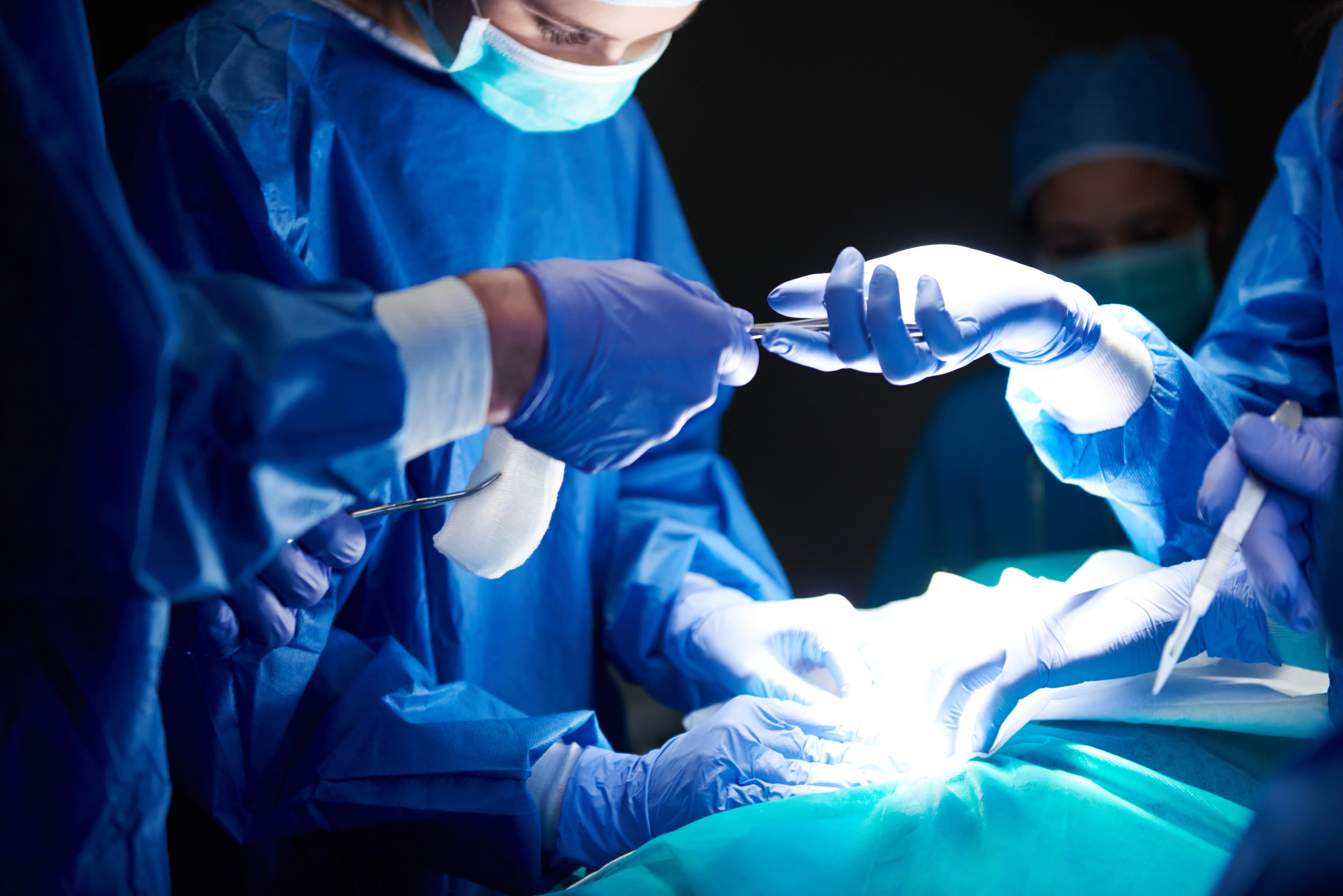
During this procedure, the surgeon operates the robotic arms from a console, making small, keyhole-sized incisions in the patient’s abdomen. A laparoscope is inserted through these openings, providing real-time images of the internal cavity projected onto a monitor for the surgeon’s guidance. Using the robotic arms, the surgeon carefully repositions the herniated tissue, sutures the surrounding areas, and performs additional necessary interventions with enhanced precision and control.
Speak to Our Team About Robotic hernia repair surgery
If you have questions about robotic hernia repair surgery or want to learn more about the procedure, our expert team is here to assist you. We understand that navigating surgical options can be daunting, and we are dedicated to providing you with the information and support you need.
Whether you're considering surgery for an abdominal, diaphragmatic, or incisional hernia, our team is ready to discuss your specific case, explain the benefits and risks, and answer any concerns. We prioritize patient education and are committed to ensuring you feel confident in your treatment plan.
Feel free to contact us to schedule a consultation or to learn more about robotic hernia repair surgery. Your health and comfort are our top priorities!