What is scleroderma?
Scleroderma, or systemic sclerosis, is a rare and chronic autoimmune disease that causes the skin to harden and tighten. But the condition doesn’t stop there; it can also affect blood vessels, internal organs, and the digestive system, making it much more than a skin-deep issue.
In people with scleroderma, the immune system becomes overactive and mistakenly attacks healthy tissues. This abnormal immune response causes the body to produce too much collagen, the protein responsible for skin strength and connective tissue support. When collagen builds up excessively, it can make the skin and other tissues unusually thick and stiff.
There’s no cure for scleroderma, but that doesn’t mean there’s no hope. Treatment can help manage symptoms, slow disease progression, and improve overall quality of life. With the proper medical support and lifestyle care, many people with scleroderma live whole, meaningful lives.
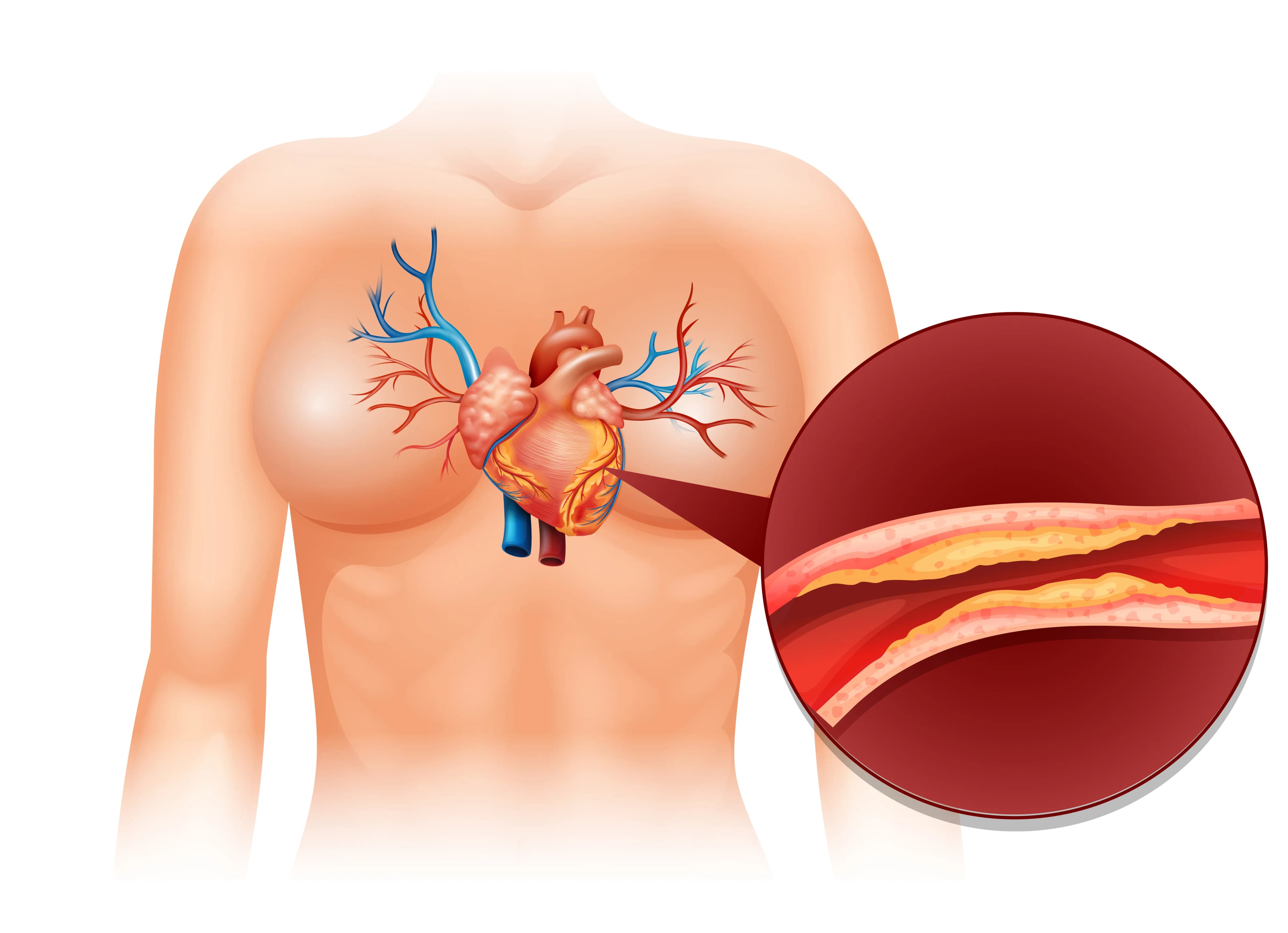
Since it’s a chronic condition, long-term management is key. Scleroderma can sometimes lead to serious complications, especially involving the heart, lungs, or kidneys. If you ever experience severe symptoms, such as chest pain, difficulty breathing, or trouble swallowing, seek emergency care immediately.
If you notice early signs, such as thickening of the skin around your fingers and toes or pain and stiffness in your joints, don’t ignore them. Early diagnosis and treatment can significantly change how the condition progresses.
Type of Scleroderma
-
Localized Scleroderma (Morphea)
This form is limited to the skin and sometimes the underlying tissues, but does not affect internal organs.
- Morphea: Round or oval patches of thickened, hardened skin that may be discoloured. These patches may fade over time, but can leave behind marks.
- Linear Scleroderma: Involves a line or streak of thickened skin, often on the arms, legs, or forehead. It may affect muscles and bones beneath the skin, especially in children.
-
Systemic Scleroderma (Systemic Sclerosis)
This type affects the skin and internal organs such as the lungs, heart, kidneys, and digestive system. It is further divided into:
-
Limited Cutaneous Systemic Sclerosis:
- Skin thickening is limited to the fingers, hands, forearms, lower legs, and face.
Often develops slowly.
- Associated with Raynaud’s phenomenon, oesophageal issues, and pulmonary hypertension.
- Previously referred to as CREST syndrome (Calcinosis, Raynaud's, Oesophageal dysfunction, Sclerodactyly, and Telangiectasia).
-
Diffuse Cutaneous Systemic Sclerosis (dcSSc):
- Involves more widespread skin thickening, including the upper arms, thighs, chest, and abdomen.
Can progress rapidly.
- Higher risk of internal organ involvement, such as the lungs, heart, and kidneys.
-
Sine Scleroderma
- A rare form where internal organs are affected without obvious skin changes.
- It can be difficult to diagnose and may resemble other autoimmune conditions.
Treatment options
While there is currently no cure to completely stop the overproduction of collagen caused by scleroderma, several treatment options can help relieve symptoms, slow disease progression, and prevent serious complications. The treatment plan is unique for each individual, based on which body parts are affected and how severe the symptoms are.
Medications: Targeting Specific Symptoms
Since scleroderma can affect many systems in the body, medication is often tailored to your symptoms. Some commonly prescribed medicines include:
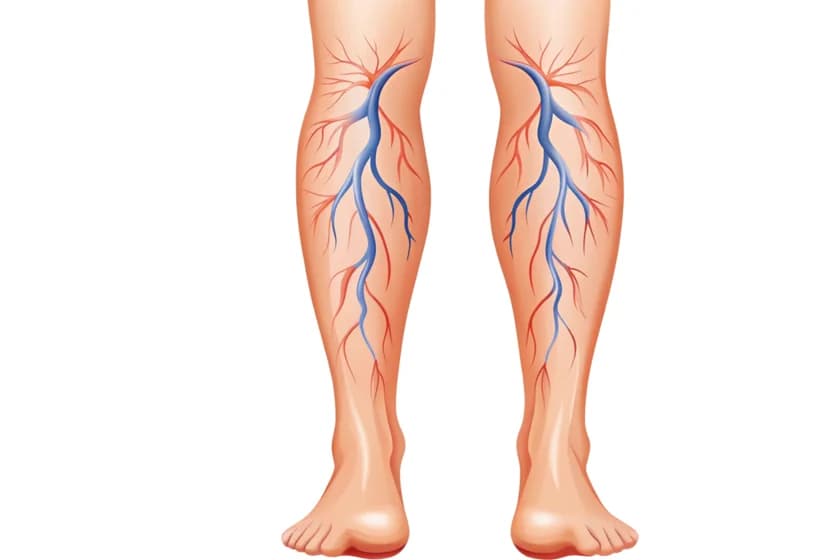
- Vasodilators: These help relax and widen blood vessels, improving blood flow and reducing the frequency and severity of Raynaud’s phenomenon.
- Immunosuppressants: These medications calm an overactive immune system and may slow down the hardening of the skin or the progression of lung involvement.
- Digestive aids: From acid reducers to pro-motility drugs, these help manage common gastrointestinal issues such as heartburn, bloating, diarrhoea, or constipation.
- Pain relievers: Over-the-counter or prescription medications can help control muscle and joint pain associated with the disease.
Therapies: Keeping Mobility and Independence
Physical and occupational therapy improve flexibility, strength, and overall function. Regular therapy sessions can help:
- Maintain mobility in joints,
- Reduce the risk of contractures (tightening of the skin and muscles), especially in the hands,
- Enhance your ability to perform daily tasks independently.
Skin and Light Therapies
For those with skin-related symptoms:
- Moisturising creams and ointments help prevent skin from becoming dry, cracked, or stiff.
- In some cases, light therapy (phototherapy) using UV rays may help reduce skin thickening.
Advanced Treatments: Stem Cell and Organ Transplants
For severe or rapidly progressing cases, advanced procedures might be considered:
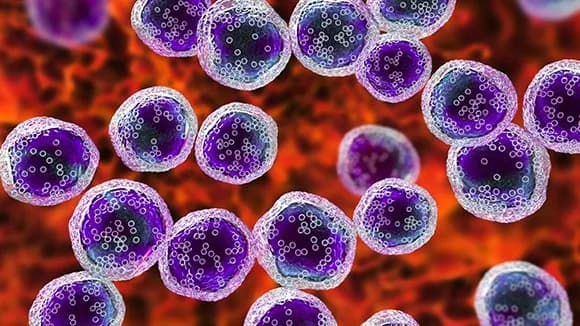
- Stem cell transplants may be an option when traditional treatments don’t work. The process replaces damaged immune cells with healthy stem cells to “reset” the immune system.
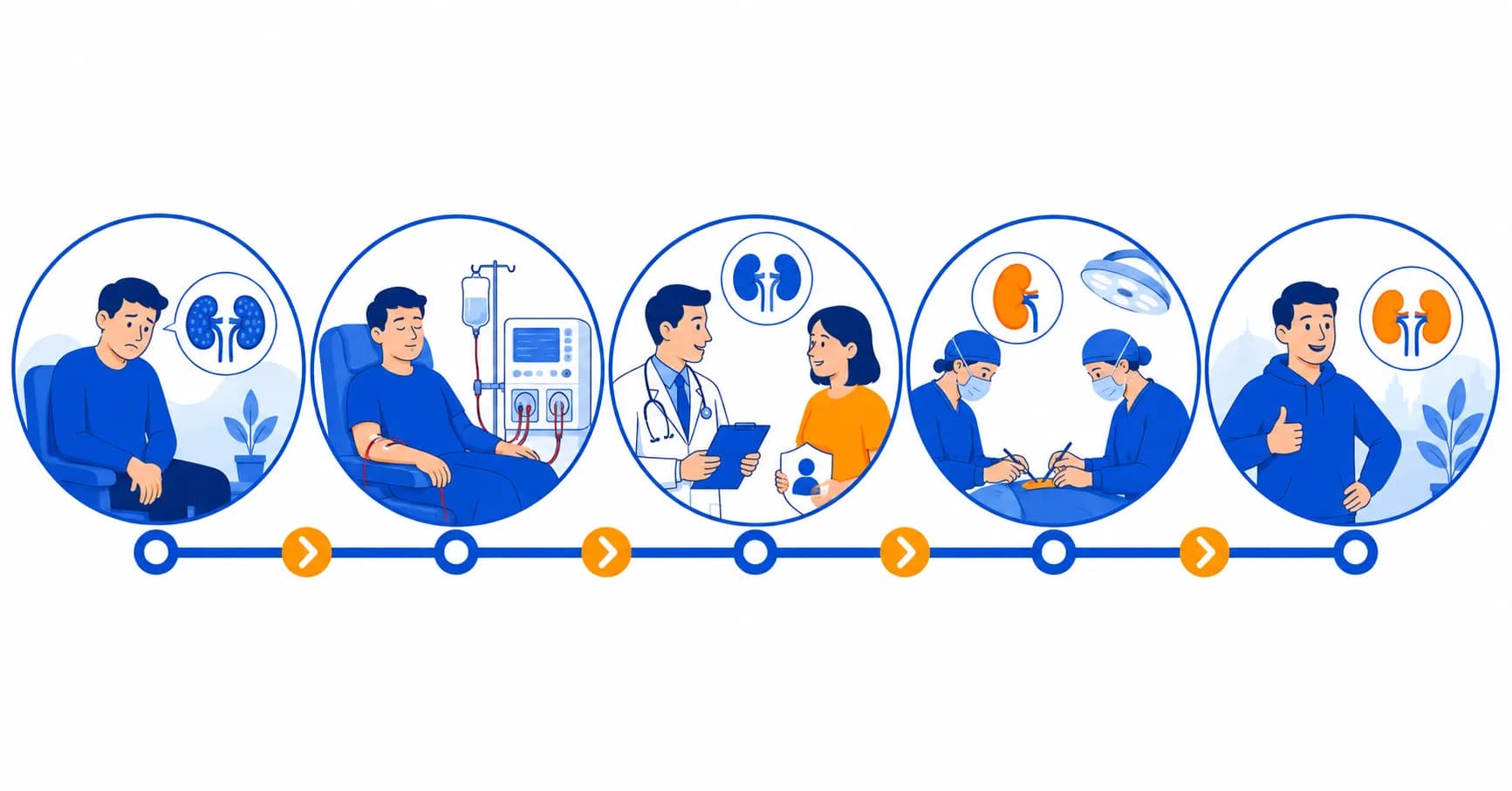
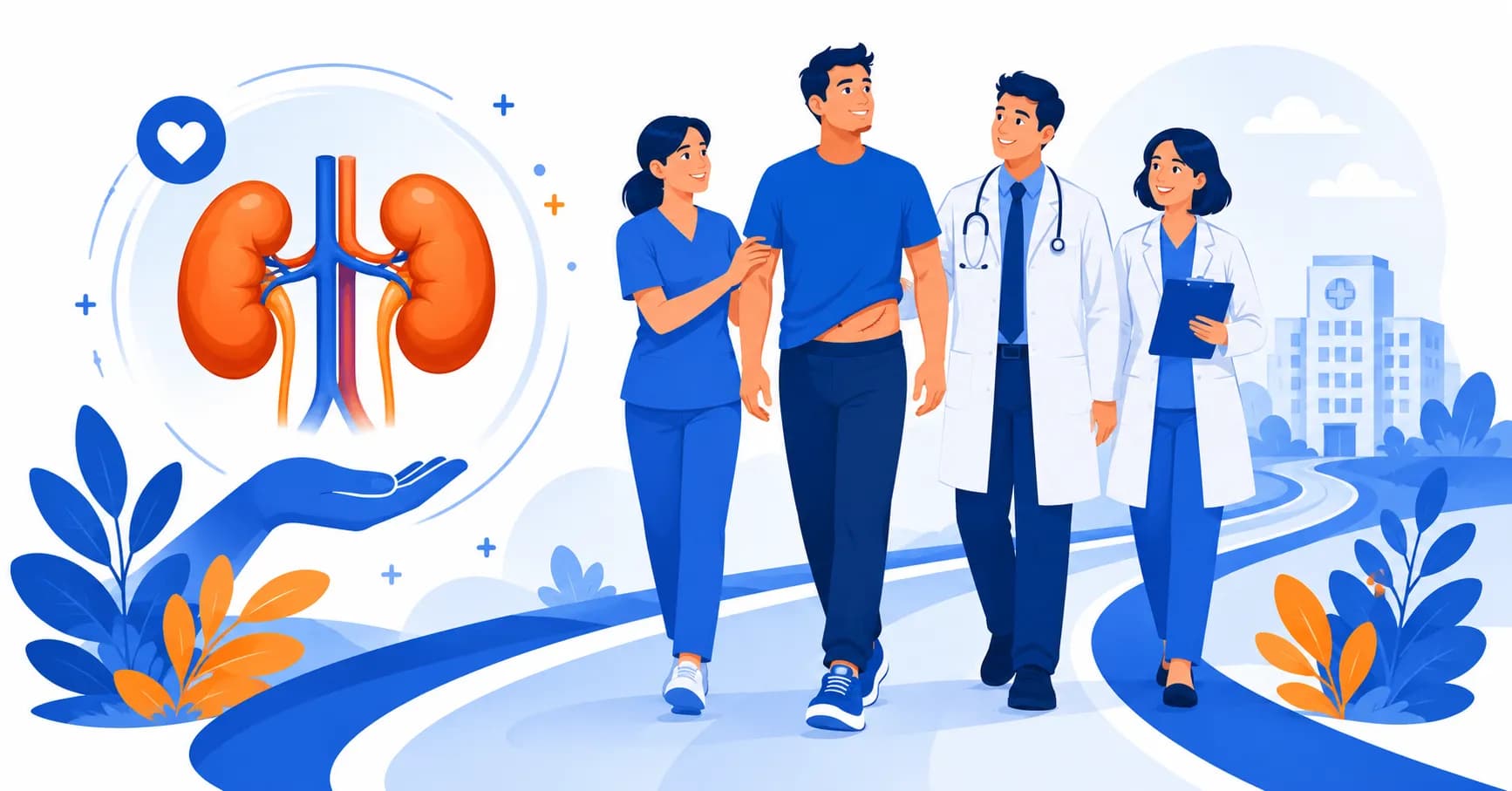
- Organ transplants: In extreme cases where organs like the lungs or kidneys are significantly affected, a transplant may become necessary.
At Apex Hospitals, we understand that scleroderma is more than just a diagnosis—it's a journey. Our team of expert rheumatologists, physical therapists, and support staff is dedicated to providing personalised, multidisciplinary care that respects your experience and works with your lifestyle. With early intervention and a comprehensive care plan, many people with scleroderma can continue to lead active, fulfilling lives.
Let us walk this path with you, every step of the way.