Radiology Catheterization
Get accurate, image-guided diagnostics with advanced catheter-based procedures at Apex Hospitals, performed by experienced interventional radiologists using state-of-the-art imaging systems.
What is Radiology Catheterization?
Radiology catheterization is a procedure where thin, flexible tubes called catheters are used to diagnose or treat various health conditions. Guided by imaging tools like X-rays, ultrasound, or CT scans, these catheters help doctors reach blood vessels, body cavities, or ducts safely and precisely.
It helps in:
- Diagnosing and treating various conditions without surgery
- Delivering medications directly to targeted areas
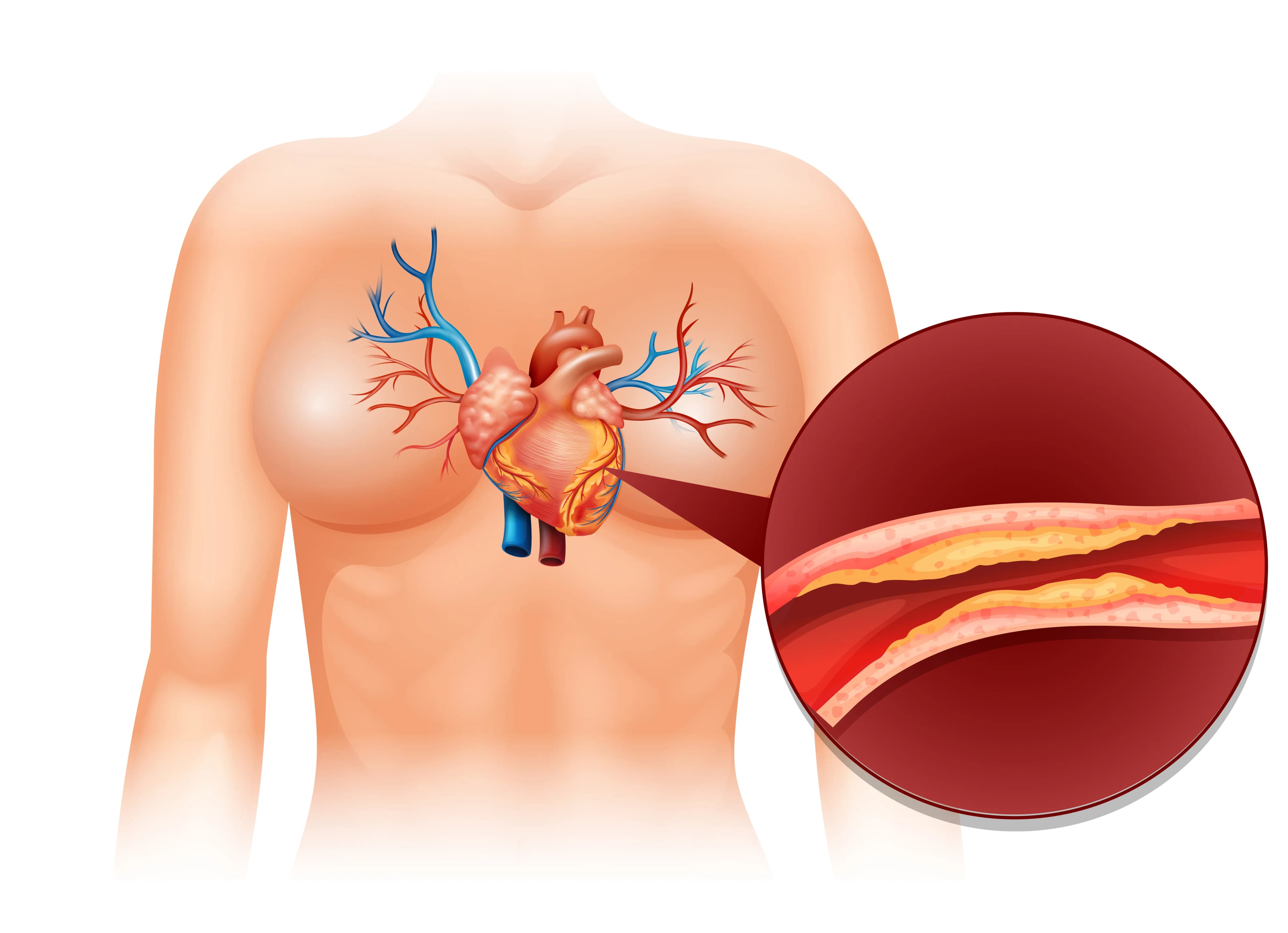
- Evaluating blockages, tumours, or vascular problems
This technique plays a vital role in interventional radiology and is often used as an alternative to open surgery.
Types of Catheterizations in Radiology
-
Angiography
A catheter is inserted into a blood vessel to inject contrast dye, enabling high-definition imaging of arteries and veins. This helps detect blockages, aneurysms, or vascular abnormalities.
-
Cardiac Catheterization
A catheter is threaded through a blood vessel (typically in the groin or arm) to the heart to assess heart function, blood pressure, and oxygen levels.
-
Interventional Radiology Procedures
Catheters are used to treat conditions like clots, tumors, or narrowed vessels. Procedures include biopsies, embolizations, and stent placements, often performed using fluoroscopy or ultrasound guidance.
-
Umbilical Catheterization (Newborns)
Used in neonatal intensive care units, this involves inserting catheters through the umbilical cord to monitor vital signs or administer medications.
-
Urinary Catheterization
A catheter is placed through the urethra into the bladder, usually to drain urine or perform diagnostic tests on the urinary tract.
Why Choose Apex Hospitals for Radiology Catheterization?
- NABH-Accredited Imaging and Diagnostic Department
- Highly Trained Interventional Radiologists
- Advanced Cath Lab with DSA (Digital Subtraction Angiography)
- Real-Time Imaging with Low Radiation Exposure
- Minimally Invasive, Day-Care Procedures
- Insurance Support & Affordable Packages
When is Radiology Catheterization Recommended?
This procedure is helpful for a wide range of conditions, including:
- Suspected vascular blockages
- Liver tumors (for chemoembolization)
- Fibroid treatment via uterine artery embolization
- Drainage of abscesses or fluid collections
- Biopsies from deep organs like the liver, lungs, or kidneys
- Neuro-interventions for stroke or aneurysms
What to Expect During the Procedure
- No major fasting required (may vary by case)
- You'll lie on an imaging table
- Local anaesthesia is given
- A catheter is inserted into the groin, arm, or neck
- Real-time imaging guides the catheter to the target
- Takes 30–90 minutes depending on complexity
- Most procedures are painless and do not require hospitalization
Patient safety, hygiene, and comfort are ensured at every step.
Benefits of Image-Guided Catheterization
Accurate Diagnosis and Targeted Treatment
Using X-ray, CT, or ultrasound, doctors precisely guide the catheter to the affected area (e.g., a blocked artery, tumour, or organ), ensuring effective results.
Minimally Invasive Procedure
Most catheterizations need only a small puncture, reducing pain, scarring, and recovery time compared to traditional surgery.
Reduced Risk of Complications
Real-time imaging helps avoid nearby nerves, vessels, or organs—making this safer, especially in elderly or high-risk patients.
Faster Recovery and Shorter Hospital Stay
Most patients go home the same day or within 24–48 hours, with minimal downtime.
Real-Time Monitoring
Doctors can observe how your body responds during the procedure and make on-the-spot decisions for better outcomes.
Doctor’s Insight
“Radiology catheterization allows us to treat conditions like tumours or blocked vessels without open surgery. It’s fast, accurate, and often life-saving.”
Dr. Amit Sharma, Consultant - Interventional Radiologist, Apex Hospitals
Lifestyle & Recovery Tips
- Drink fluids to help clear contrast dye
- Avoid heavy lifting for 1–2 days post-procedure
- Follow the discharge instructions carefully
- Monitor the catheter insertion site for bleeding
- Resume light activity unless advised otherwise
- Take prescribed medicines regularly
- Schedule your follow-up check-up as recommended