Receive a detailed surgery cost estimate based on your diagnosis and treatment plan. Our experienced surgical teams and modern infrastructure ensure safe outcomes. Plan your procedure with clarity, confidence, and complete medical transparency.
Fill in your details to get started
Substance Use Disorder (SUD) is more than just a habit; it’s a serious medical condition that affects both the brain and body, making it difficult for individuals to control their use of alcohol, drugs, or prescription medicines. At Apex Hospitals, we understand the struggles of addiction and offer safe, confidential, and evidence-based treatment programs to help patients regain control of their lives. With a team of expert psychiatrists, psychologists, and rehabilitation specialists, we provide comprehensive care focused on detoxification, therapy, and long-term recovery.
Whether you or a loved one is facing challenges with substance dependence, Apex Hospitals is here to guide you every step of the way, because recovery is not only possible, it’s achievable.
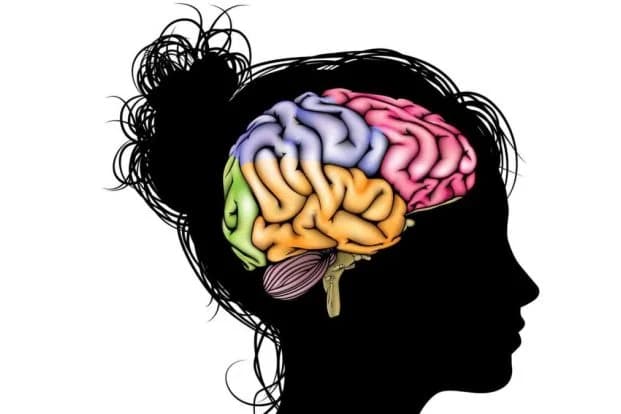
Substance Use Disorder (SUD), often referred to as drug addiction, is a recognized medical condition that affects the brain and behaviour. It leads to an inability to control the use of legal or illegal substances such as alcohol, nicotine, marijuana, prescription medicines, or other recreational drugs. Even when individuals are aware of the harm caused, they may find it extremely difficult to stop.
Addiction can begin in different ways. For some, it starts with the occasional use of recreational drugs in social settings. Over time, the frequency of use may increase, leading to dependency. For others, particularly with strong medications like opioids, addiction may develop after being prescribed painkillers for medical reasons or by misusing medications obtained from others.
Different substances carry different levels of risk. For example, opioid painkillers are known to cause dependency much faster than other drugs. As tolerance builds, people often require higher doses to achieve the same effect. Eventually, the substance may be needed just to feel “normal.” When use is reduced or stopped, withdrawal symptoms, such as intense cravings, nausea, anxiety, or physical discomfort, can make quitting feel impossible without help.
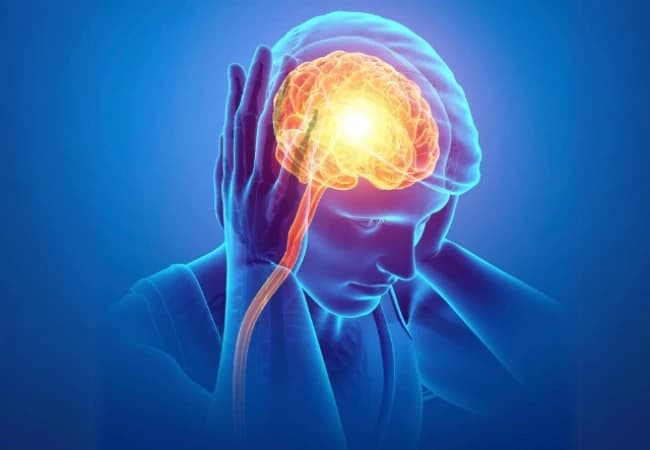
Substance use doesn’t just change your brain chemistry; it impacts your entire life. The release of dopamine, a brain chemical linked to pleasure, creates temporary “highs” that the brain starts to crave repeatedly. Over time, this disrupts emotional well-being, damages relationships, affects academic or work performance, and can even result in legal or financial troubles. In severe cases, substance use disorder becomes life-threatening.
SUD exists on a spectrum: mild, moderate, or severe. Even in its early stages, it can interfere with responsibilities and relationships. People may:
No matter how severe the condition may seem, substance use disorder is treatable. With the right support, whether through healthcare professionals, therapy, rehabilitation programs, family, or support groups, recovery is achievable. Many people successfully regain control of their lives and remain substance-free with consistent care and guidance.
The signs of SUD may vary depending on the substance, frequency, and severity of use. Common symptoms include:
If substance use starts interfering with daily life, relationships, or health, it may be a sign of SUD that requires professional help.
We provide a complete, patient-first recovery program backed by medical expertise and compassionate care:
If you or a loved one notices these signs, it may be time to seek help:
At Apex Hospitals, treatment for substance use disorder (SUD) is designed to provide compassionate, safe, and effective care tailored to each patient’s needs. Here’s what you can expect:
Our goal is not just to help you quit, but to support you in building a healthier, substance-free life.
Take the First Step Toward Recovery. Don’t let addiction control your life. Reach out to Apex Hospitals today and begin your journey toward lasting recovery.
We've compiled a list of the most frequently asked questions to help you find the information you need quickly and easily.
“If you can't find the answer to your question here, please don't hesitate to contact our support team for assistance.”

Download Our App


Powered By Docfyn