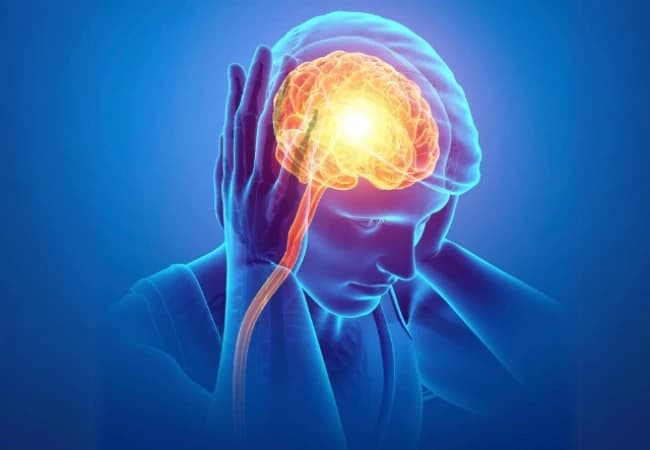
Bipolar disorder is a lifelong mental health condition that affects millions of people worldwide, causing intense shifts in mood, energy, and daily functioning. Unlike normal mood swings, bipolar disorder involves episodes of mania or hypomania, periods of high energy, euphoria, or irritability, alternating with depressive episodes, where sadness, hopelessness, and loss of interest dominate. At Apex Hospitals,
our expert psychiatrist provides comprehensive care to help manage these mood swings, improve quality of life, and support patients in leading balanced, productive lives. Understanding the symptoms, causes, and treatment options is the first step toward effective management of bipolar disorder.
What is bipolar disorder?
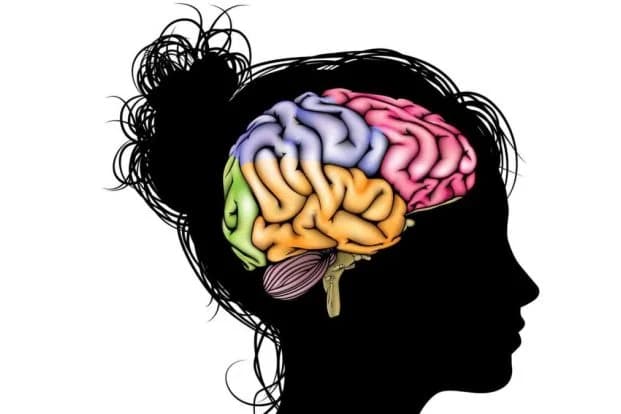
Bipolar disorder, earlier known as manic depression, is a mental health condition marked by extreme shifts in mood, energy, and behaviour. These mood episodes range from emotional highs (mania or hypomania) to deep lows (depression). Hypomania is a milder form of mania, but both can significantly affect a person’s ability to function.
During depressive episodes, a person may feel sad, hopeless, or lose interest in activities they once enjoyed. On the other hand, when the mood shifts into mania or hypomania, they may feel euphoric, unusually energetic, or even irritable. These changes influence sleep, activity levels, decision-making, and overall daily functioning.
Bipolar disorder episodes can appear rarely or several times a year. While some people experience long periods of emotional stability in between, others may face frequent or even overlapping mood episodes. Despite being a lifelong condition, it can be effectively managed with proper treatment, usually a combination of medication and psychotherapy. With the right care, most individuals lead fulfilling and productive lives.
Types of Bipolar Disorders
Bipolar disorder is not a one-size-fits-all condition. There are three main types, each defined by the pattern and severity of mood episodes:
-
Bipolar I Disorder
- Characterized by at least one manic episode that may last a week or more.
- Depressive episodes often occur, but are not required for diagnosis.
- Manic episodes can be severe and may require hospitalization to prevent harm.
-
Bipolar II Disorder
- Involves recurrent depressive episodes along with hypomanic episodes.
- Hypomania is a milder form of mania and doesn’t cause the extreme disruption seen in Bipolar I.
- Many people with Bipolar II are more likely to experience prolonged depressive episodes.
-
Cyclothymic Disorder (Cyclothymia)
- Features chronic, fluctuating mood swings that are less severe than full-blown mania or depression.
- Symptoms last for at least two years in adults (one year in children and adolescents).
- Although less intense, cyclothymia can still significantly impact daily life and relationships.
Understanding the type of bipolar disorder is essential for developing a tailored treatment plan, helping patients manage mood swings, and improving overall well-being.
What are the symptoms of bipolar disorder?
Bipolar disorder causes intense shifts in mood, energy, and behaviour. Symptoms are generally categorized based on whether the person is experiencing a manic/hypomanic episode or a depressive episode.
1. Symptoms of Manic or Hypomanic Episodes:
- Feeling unusually euphoric, energetic, or irritable
- Increased talkativeness or rapid speech
- Racing thoughts or difficulty focusing
- Decreased need for sleep
- Impulsive or risky behaviour, such as overspending or risky driving
- Inflated self-esteem or grandiosity
- Increased goal-directed activity or restlessness
2. Symptoms of Depressive Episodes:
- Persistent sadness, hopelessness, or emptiness
- Loss of interest or pleasure in activities once enjoyed
- Fatigue or lack of energy
- Difficulty concentrating or making decisions
- Changes in appetite or sleep patterns
- Feelings of guilt or worthlessness
- Thoughts of death or suicide
3. Mixed Episodes:
- Some people experience symptoms of mania and depression at the same time, such as feeling agitated but hopeless.
- Mixed episodes can be particularly challenging and may require immediate attention.
Mood episodes can last from days to weeks or even months. Between episodes, individuals may experience periods of normal mood, called euthymia, allowing them to function relatively well. Recognizing symptoms early is crucial for timely treatment and better management of bipolar disorder.
Why Choose Apex Hospitals for Bipolar Disorder Care?
- NABH-accredited mental health services
- Experienced psychiatrists
- Personalized therapy & medication plans
- 24x7 emergency psychiatric support
- Affordable treatment with insurance coverage
- Confidential and compassionate environment
Who Should Seek Help?
You may need a psychiatric evaluation at Apex Hospitals if you or your loved one experiences:
- Intense mood swings, extreme highs and deep lows
- Periods of unusual energy, rapid speech, or risky behaviour
- Ongoing sadness, hopelessness, or withdrawal
- Difficulty focusing, working, or maintaining relationships
- Family history of bipolar disorder or other mood disorders
What to Expect During Bipolar Disorder Treatment at Apex Hospitals
Initial Assessment:
- Comprehensive evaluation by a qualified psychiatrist
- Detailed discussion of symptoms, medical history, lifestyle, and family history
- Mental health questionnaires and mood tracking
Diagnosis & Personalized Plan:
- Accurate diagnosis based on clinical evaluation
- Tailored treatment plan addressing individual needs, severity, and lifestyle
Medication Management:
- Prescribing mood stabilizers, antipsychotics, or antidepressants as required
- Regular follow-ups to monitor effectiveness and side effects
Psychotherapy & Counselling:
Monitoring & Support:
- Continuous monitoring of mood episodes and triggers
- Family counselling and patient education for better understanding
Lifestyle & Wellness Guidance:
- Recommendations on sleep, nutrition, exercise, and daily routines
- Techniques to prevent relapse and manage stress effectively
Emergency Support:
- 24x7 access to mental health experts for urgent situations or severe mood episodes
- Crisis intervention if needed
Follow-Up Care:
- Periodic assessments to track progress
- Adjustments to therapy or medication for optimal outcomes
Benefits of Early Treatment
- Prevents worsening of symptoms
- Reduces risk of substance abuse or self-harm
- Helps maintain stable work and personal life
- Improves long-term brain and emotional health
- Strengthens family and social relationships
“Don’t let mood swings control your life. Book your consultation with Apex Hospitals’ mental health experts today.”