What is liposuction?
A method used for aesthetic fat removal is liposuction. It can permanently eliminate adipocytes, or fat cells, from a specific area of your body that you wish to lose weight. When diet and exercise fail to reduce fat accumulation, liposuction can assist.
Other terms for liposuction include "lipo" or lipoplasty.
Where on my body can I get liposuction?
You can get liposuction surgery anywhere you have fat deposits on your body. The following are a few of the most typical places on your body:
- Waist, stomach, or abdomen.
- "Love handles" or hips (flank).
- Chest or back.
- Cheeks, chin, neck, or face.
- Buttocks.
- Ankles, calves, or inner knee.
- Thighs.
- Upper arms.
Can obesity be treated with liposuction?
Liposuction does not treat obesity or excess weight; it is not a weight-loss therapy. Most people get liposuction to get rid of extra fat from specific areas of their bodies. There is no full-body weight-loss technique with liposuction. Your body may develop back fat in the areas where the procedure was performed, even though it is permanent.
Everybody has a different body. Even if you exercise frequently and eat a healthy diet, you may still struggle to lose weight. To help you achieve your objectives, discuss weight management therapy choices with your healthcare physician if you are overweight.
What happens during liposuction surgery?
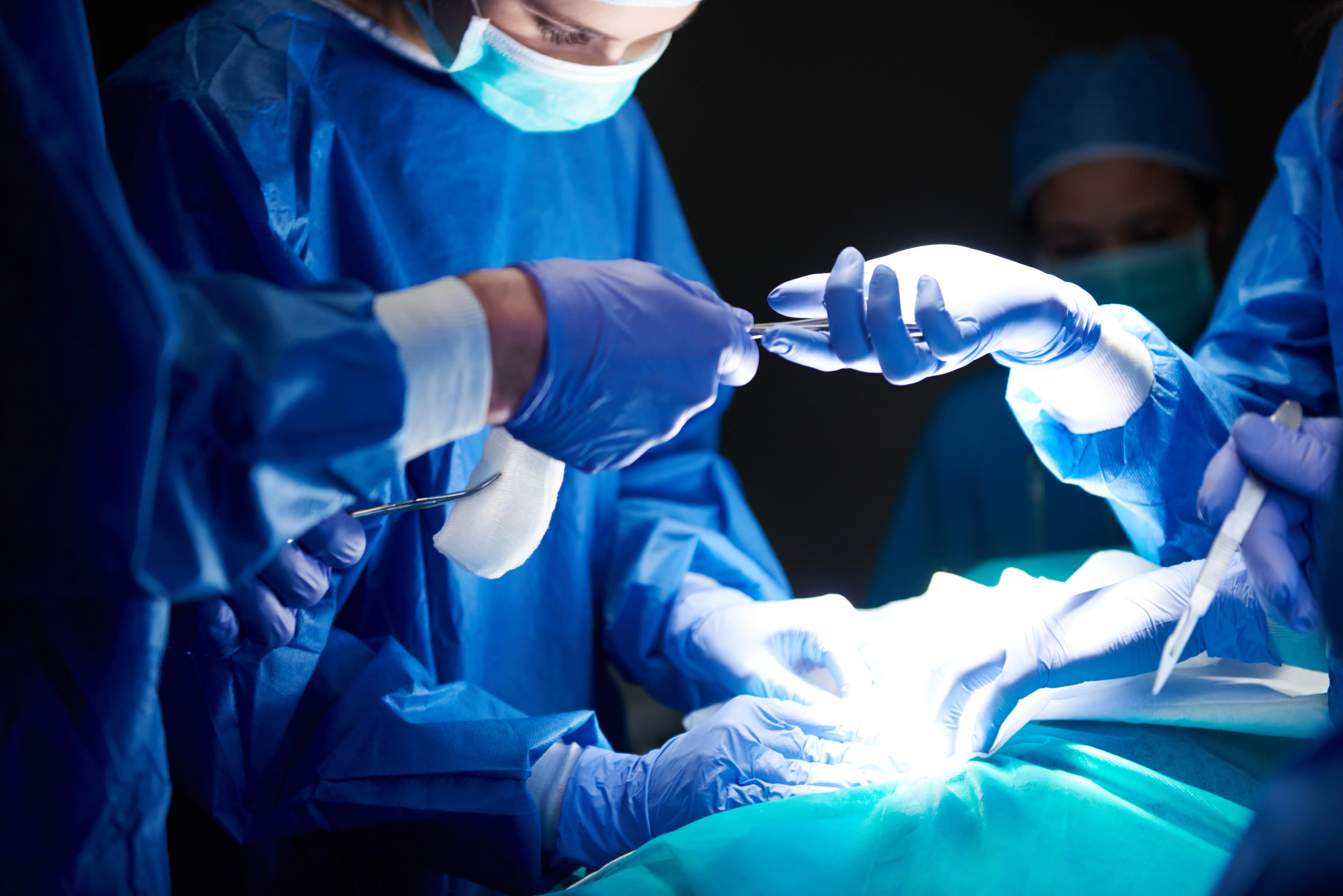
Your healthcare practitioner will administer anaesthesia before your liposuction operation. You can have local and general anaesthesia (which numbs the brain). You are rendered painless throughout the process, thanks to anaesthesia.
Following the onset of anaesthesia, your surgeon will make a few tiny skin incisions. A small, stainless-steel tool called a cannula will implant a suction device into the fatty regions between your skin and muscles. To break up or liquefy your fat, your surgeon will move the cannula around the inside of your body. After that, they'll use a big syringe or suction pipe to remove extra fat. Following the surgery, your surgeon will use non-dissolvable or dissolvable stitches to close the incision site.
Your particular liposuction process will depend on the kind of operation you're getting. You might have to go to a surgery centre or your provider's office for an outpatient procedure. Your surgeon may require an overnight stay if they remove significant fat from your body. You will need a driver to get you to and from the surgery, even if it's an outpatient treatment. The amount of fat your surgeon removes, and the number of places treated will determine how long liposuction surgery takes.