Who hasn’t looked in the mirror and noticed a tummy that just doesn’t look as flat as they’d like? Even with a healthy lifestyle, balanced diet, and regular workouts, stubborn belly fat or loose skin can remain. That’s where a tummy tuck (abdominoplasty) can make a real difference. This procedure helps create a flatter, firmer, and more defined abdominal contour by removing excess fat and skin while also tightening weakened abdominal muscles.
At Apex Hospitals, our plastic surgeons use advanced surgical techniques to deliver safe, natural-looking, and long-lasting results. Abdominoplasty not only enhances your body shape but also helps boost your self-confidence and comfort in your own skin.
What is Abdominoplasty?
A tummy tuck, medically known as abdominoplasty, is a surgical procedure designed to flatten, firm, and smooth the abdomen. During the surgery, a plastic surgeon removes excess skin and fat while tightening the abdominal wall muscles. In some cases, liposuction may also be used to enhance the results. It’s important to note that a tummy tuck is not a weight-loss procedure. Instead, it helps refine body shape after significant changes such as pregnancy or major weight loss, when exercise and diet alone cannot address excess skin or stretched muscles.
The procedure can:
- Restore weakened or separated abdominal muscles
- Improve posture and core stability
- Reduce skin irritation or infections caused by excess folds
- Improve bladder function in some cases
- Create a smoother, firmer, and more toned abdominal profile
A tummy tuck may also help reduce the appearance of stretch marks, particularly those located below the navel.
Since it is not a substitute for healthy living, doctors usually recommend abdominoplasty only for people who are at or near a healthy body mass index (BMI). The best results are seen when the underlying body shape is stable and maintained through balanced nutrition and exercise. For those considering the surgery, it’s also important to remember that cosmetic treatments are just one option. Sometimes, lifestyle modifications or speaking with a healthcare professional about body image concerns can also be helpful. However, when excess skin or separated muscles cannot be corrected naturally, abdominoplasty offers an effective, long-lasting solution that improves both appearance and confidence.
Why Choose Apex Hospitals for Abdominoplasty?
At Apex Hospitals, your safety and satisfaction are our top priorities.
- NABH-accredited surgical facilities
- Experienced plastic & cosmetic surgeons with years of expertise
- Personalized treatment plans tailored to your body goals
- Advanced technology & safe anaesthesia practices
- Comprehensive pre- and post-operative care
Who Should Consider Abdominoplasty?
Our plastic surgeons will carefully evaluate whether you’re a suitable candidate for a tummy tuck. Generally, the ideal candidate should:
- Be in good overall health
- Maintain a stable weight
- Avoid smoking, or be willing to quit before and after surgery
- Not planning a pregnancy in the near future
- Have realistic expectations about the results
While the results of a tummy tuck can be long-lasting, they are not immune to changes in your body. Significant weight fluctuations or pregnancy after surgery can stretch the skin and muscles again, reducing the effectiveness of the procedure.
If you are still working toward your goal weight, your surgeon will likely recommend waiting until you have reached and maintained it. Similarly, if you plan to have children in the future, it’s best to postpone the surgery until after pregnancy to ensure the most stable and lasting results.
What to Expect During the Procedure
Preparing for a Tummy Tuck
Before undergoing a tummy tuck, you’ll meet with a plastic surgeon for a detailed consultation. This appointment allows your surgeon to:
- Review your overall health and medical history.
- Discuss any previous surgeries.
- Go over the medications and supplements you currently take.
- Understand your goals and expectations from the procedure.
- Take photographs of your abdomen for before-and-after comparison.
Your surgeon will then explain the treatment options best suited for your condition and desired results.
Lifestyle and Pre-Surgery Instructions
- Quit smoking: Smoking slows healing and increases the risk of complications. You’ll need to stop smoking at least one month before and two weeks after surgery (as advised by your surgeon).
- Maintain a stable weight: Ideally, your weight should remain steady for 6–12 months before the procedure. Significant weight changes afterward can affect results.
- Avoid certain medications: You may be asked to stop blood thinners, aspirin, NSAIDs, and some supplements, as they increase bleeding risks. Always follow your doctor’s advice before discontinuing any medication.
- Eat a balanced diet: Good nutrition before and after surgery supports faster and smoother healing.
- Arrange support: Ask someone to drive you to and from the hospital, and help at home during the first few days of recovery.
What Happens During a Tummy Tuck?
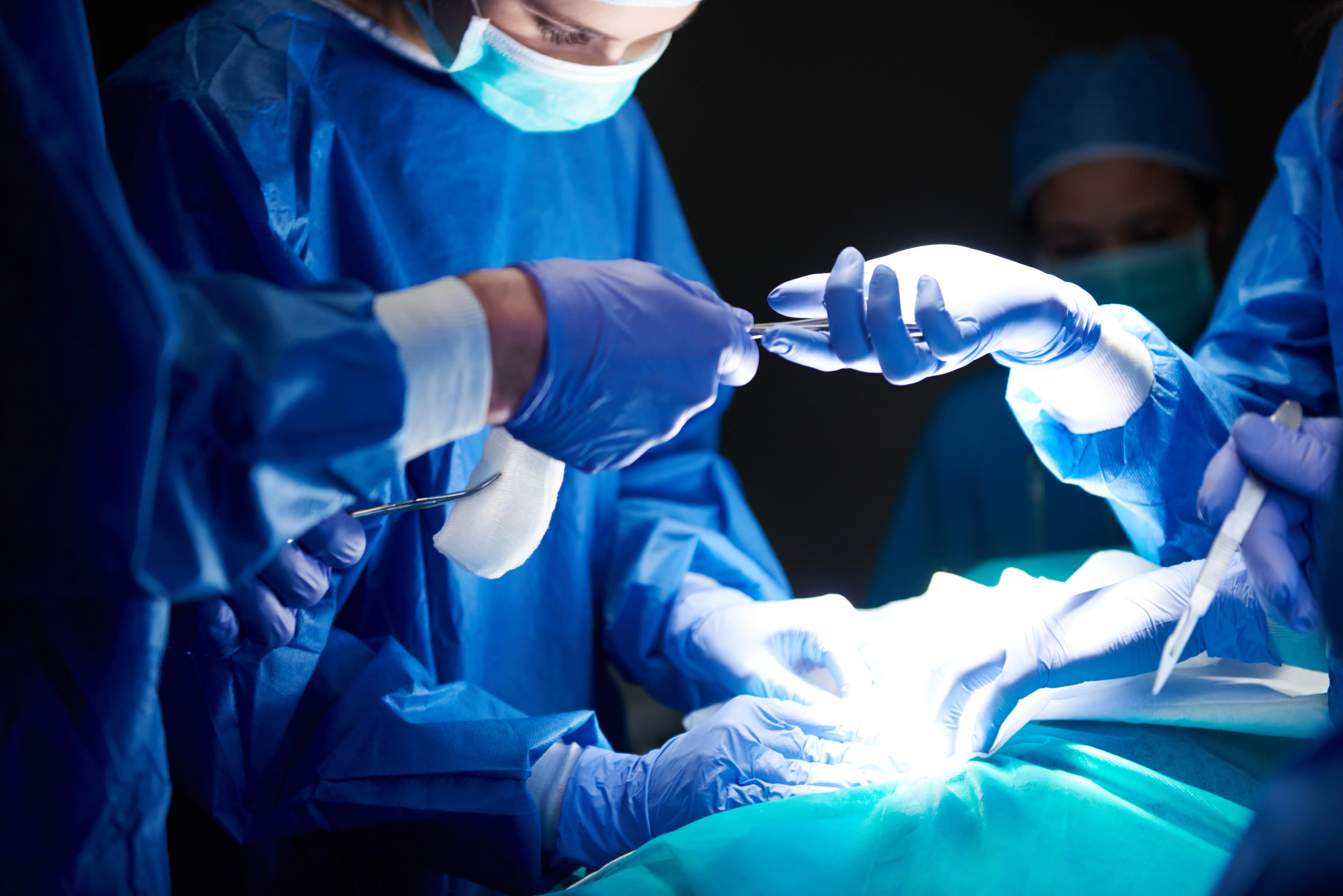
A tummy tuck is usually performed under general anaesthesia in a hospital or surgical centre. Depending on the complexity, the surgery may take 1–5 hours.
Step-by-Step Procedure
- Anaesthesia – You’ll be given anaesthesia so you remain comfortable and pain-free.
- Incision – A horizontal cut is made across the lower abdomen, usually just above the pubic area. The length depends on how much excess skin needs to be removed.
- Muscle tightening – Weak or separated abdominal muscles are stitched back together for a firmer, stronger abdominal wall.
- Skin and fat removal – Excess skin, fat, and sometimes stretch marks are removed. Liposuction may also be used for better contour.
- Navel repositioning – If necessary, the belly button is repositioned to a natural-looking spot on the abdomen.
- Closing the incision – The skin is pulled down smoothly, and the incision is closed with sutures.
- Drain placement – Small tubes may be inserted temporarily to prevent fluid buildup.
What to Expect After Surgery
- Initial recovery: You may feel tired, sore, and disoriented as anaesthesia wears off. Pain medications will be prescribed to manage discomfort.
- Dressings and drains: Surgical dressings will cover the incisions, and drains may be placed to remove excess fluid or blood.
- Mobility: Your care team will encourage gentle walking within the first 24 hours to reduce blood clot risks.
- Support garments: An abdominal binder may be worn for 6–8 weeks to support healing and reduce swelling.
- Activity restrictions: For the first 6 weeks, avoid heavy lifting, bending, straining, or strenuous exercise. Sports and intense physical activity should be avoided for at least 8 weeks.
Most patients can return to work in 2–4 weeks, depending on the type of job and individual recovery progress. Regular follow-ups with your surgeon will ensure proper healing and address any concerns.
Benefits of Abdominoplasty
- Flatter, firmer abdomen with better contour
- Enhanced self-confidence & body image
- Improved posture due to stronger abdominal muscles
- Relief from rashes/irritation caused by skin folds
- Long-lasting results with proper diet & exercise
Doctor’s Insight
"A tummy tuck isn’t just cosmetic; for many patients, it restores core strength, improves posture, and boosts confidence. At Apex Hospitals, we ensure every procedure is safe, tailored, and results-driven." – Dr. Kush Verma, Consultant- Plastic Surgery, Apex Hospitals
Ready for a transformation? Book your Abdominoplasty Consultation Today!