Logo
Logo
DoctorsBook Appt.Call

Contact Us

Medicine UnmaskedCall Emergency Helpline
Logo

Book appointment

Contact Us

Medicine UnmaskedCall Emergency Helpline
Logo

Book appointment

Get Your Surgery Cost Estimate. Know the Price Before You Decide

Receive a detailed surgery cost estimate based on your diagnosis and treatment plan. Our experienced surgical teams and modern infrastructure ensure safe outcomes. Plan your procedure with clarity, confidence, and complete medical transparency.

Quick Appointment

Fill in your details to get started

Bone Marrow Transplant

It is also called a BMT, stem cell transplant, or hematopoietic stem cell transplant.

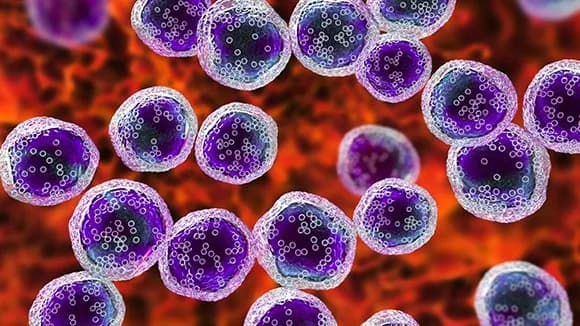
The centre of bones contains bone marrow, where blood cells are produced. It resides in the spongy portion of the bones, particularly the hips, ribs, breastbone, and vertebrae. Hematopoietic stem cells, the youngest form of blood cells, are found in bone marrow. A hematopoietic stem cell transforms into a white, red, or platelet as it matures. The bone marrow, peripheral blood (bloodstream), and umbilical cord blood all contain hematopoietic stem cells.

A bone marrow transplant (BMT) replaces diseased or damaged cells with noncancerous stem cells capable of generating healthy new cells. When cancer treatments have eradicated normal bone marrow stem cells, BMT is typically performed. Through BMT, stem cells can be replaced. Additionally, a BMT is conducted when the likelihood of being cured with chemotherapy alone is low.

Bone Marrow Transplant (BMT) Types

There are two main types of BMT, and your child's type will depend on their diagnosis.

  • Allogeneic: When bone marrow or blood cells are received from a donor other than the patient, an allogeneic transplant is performed. These can originate from a related donor, an unrelated donor, or the umbilical cord. This form of transplant is utilized for leukaemia and lymphoma patients.
  • Autologous: An autologous transplant is carried out when the patient's own bone marrow or blood cells are used. Bone marrow or cells are collected, frozen, then reconstituted, and reinfused when necessary. Patients with solid tumours such as neuroblastoma, Hodgkin's disease, and brain tumours undergo this form of transplant.

Performing a Bone Marrow Transplant

Before the transplant admission:

When the healthcare team determines that BMT is the optimal treatment for your child, they will schedule an extensive discussion with you to explain the procedure. They will explain the numerous hazards associated with BMT and what to expect before, during, and after the transplant.

Your child will undergo testing to ensure they are healthy enough to endure the transplant procedure. Evaluations will include electrocardiogram (ECG) and echocardiogram of heart function, lung function (if your child is mature enough), kidney and liver function, and infection status. Depending on the disease, an aspiration of the bone marrow and a spinal tap may be conducted.

When physicians determine that your child is healthy enough for BMT, they will typically insert a central line catheter that provides simple access to a large vein in the chest. The catheter will deliver new stem cells, blood, antibiotics, and other medications during treatment.

Preparation Before Transplant:

Before the transplant, "conditioning" will be administered to your child. In conditioning, high doses of chemotherapy and sometimes body-wide radiation are administered. The nature and purpose of conditioning for your child will depend on their underlying diagnosis but may include:

  • The eradication of malignancy
  • Creating space in the bone marrow for the growth of new cells.
  • Immune system suppression so that new cells can be accepted

The Transplant

After conditioning, stem cells are administered via the catheter. This closely resembles a blood transfusion. After travelling through the bloodstream to the bone marrow, the transplanted stem cells will initiate the production of red and white blood cells and platelets.

It can take between 14 and 30 days for the body to produce enough blood cells, mainly white blood cells, to combat infection. Engraftment refers to the identification of new blood cells and an increase in white blood cells following BMT. Your child will be at a high risk of infection, anaemia, and bleeding until then. Your infant will remain hospitalized until they are healthy enough to be released.

Advice for Parents

As infection risk and other complications persist following discharge, outpatient follow-up is mandatory. Even though the risk of relapse (cancer recurrence) is lower with a transplant than with chemotherapy, deterioration can still occur. The majority of relapses occur within a few years of a transplant.

Immediate, Frequent Side Effects

  • Before, during, and after the transplant, infections are very prevalent.
  • Anaemia (insufficient red blood cells) and thrombocytopenia (low platelets). There will be a need for transfusions of red blood cells and platelets until the new cells multiply sufficiently to produce them.
  • Mucositis (sore pharynx and sore mouth). Intravenous (IV) nutrition and pain medication treat these symptoms. This issue typically improves as the patient's new cells multiply.
  • Loss of appetite and vertigo are symptoms of anaemia. To prevent weight loss, nutrition is administered intravenously or through a catheter placed in the stomach. Some medications can be administered to avoid or reduce nausea.

Long-Term Dangers

  • Infection - After a transplant, the patient's immune system is destroyed, and it can take months or even years to recover. There are three possible varieties of infections: bacterial, fungal, and viral. Certain patients are administered preventive antibiotics. After discharge, special measures are taken to protect your infant from disease, such as limiting visitors and avoiding crowded areas (such as stores).
  • Graft-versus-host disease (GVHD) occurs only in allogeneic bone marrow or blood transplants. Certain varieties of donor cells, known as T cells (or T lymphocytes), recognize the patient's body as "foreign." Medications are administered post-transplant to prevent this complication but it may still occur.
    1. Acute graft-versus-host disease typically occurs within three months of transplantation. The epidermis, liver, and intestines can be affected. Skin involvement appears as a red rash that may be irritating or develop blisters. Involvement of the liver may result in jaundice or an elevation of other liver tests. The involvement of the intestines may produce very severe, watery diarrhoea. Steroids are used to treat GVHD and are frequently effective at controlling the condition.
    2. Chronic graft-versus-host disease - which can occur months or even years after a transplant - can occur. Typically, chronic GVHD is a continuation of acute GVHD. Many various body parts may be affected. The skin is the most commonly affected organ; patients may exhibit scarlet, scaly, or thickened skin. In addition, there may be alterations in the mouth's lining, dry eyes, joint stiffness, lung restriction, and difficulty assimilating nutrients from food. In addition, patients are at risk for infection due to the medications required to control GVHD and the immunosuppressive effects of GVHD.
  • Toxicity to organs - Preparation and prior cancer treatment may cause harm to the lungs, liver, kidneys, and heart. These effects are unpredictable, and not all children with organ toxicity recover.

Late Effects - There is a high probability that BMT will result in long-term side effects that may only be identified years after treatment. These consist of:

  • Growth and other endocrine (gland) issues may develop depending on the type of conditioning employed.
  • Sterility is prevalent among the majority of patients.
  • The liver, kidneys, lungs, and heart can sustain organ damage.
  • Cataracts can develop, clouding the eye's lens and diminishing vision.

Frequently Asked Questions

We've compiled a list of the most frequently asked questions to help you find the information you need quickly and easily.

“If you can't find the answer to your question here, please don't hesitate to contact our support team for assistance.”

A child may require a bone marrow transplant if their bone marrow is not functioning correctly due to conditions such as leukemia, lymphoma, aplastic anemia, sickle cell anemia, thalassemia, or other life-threatening blood disorders. BMT can help restore normal blood cell production by replacing the defective marrow with healthy, donor-derived marrow.
Donors are selected based on the compatibility of human leukocyte antigens (HLAs), which are proteins found on the surface of most cells in the body. A close HLA match between the child and donor is essential to reduce the risk of rejection and other complications. Sibling donors are more likely to be a match, but if a match is not found within the family, the doctors may seek an unrelated donor through registries.
Recovery times can vary widely depending on the child’s age, overall health, and the success of the transplant. It can take several months to a year for the child’s immune system to fully recover. During this time, the child may require frequent hospital visits for monitoring and treatment.
The success of a pediatric bone marrow transplant depends on several factors, including the type of blood disorder being treated, the child’s overall health, the compatibility of the donor, and how well the child responds to treatment. Overall, pediatric bone marrow transplants have a high success rate, especially for certain conditions like leukemia and lymphomas.
Stem cells are the key component in bone marrow transplants. They are the cells responsible for producing red blood cells, white blood cells, and platelets. Stem cells from a donor or the child’s marrow are infused into the body during the transplant to help regenerate healthy bone marrow and restore normal blood cell production.
Logo

To Book an appointment : +91 9829030011

For emergency : 0141-4101111

For Ambulance : +91 9929380108

care@apexhospitals.com

Download Our App

Quick Links

Find a doctor

About Us

Specialities

Careers

Contact Us

Privacy Policy

Disclaimer

Terms And Conditions

Academics

Apex Samvad

Resources

Events

News

Diseases

Health Checkup

Bio Medical Waste

EHSS Policy

NABH & NABL Certificates

Internal Grievance

External Grievance

CSR Policy

Locations

Apex Hospital - Malviya Nagar

Apex Hospital - Mansarovar

Apex Hospital - Sawai Madhopur

Apex Hospital - Jhunjhunu

Apex Hospital - Bikaner

Apex Hospital - Sri Ganganagar

Apex Hospital - Udaipur

Apex Hospital - Lucknow

Download on the App Store 
GET IT ON Google Play 

Powered By Docfyn

Blogs

Multiple Myeloma: When Is a Stem Cell Transplant Needed?

September 4, 2026

Read More
Migraine Symptoms, Triggers & Treatment | Apex Hospitals

September 2, 2026

Read More
When Does Chronic Kidney Disease Need a Kidney Transplant?

August 15, 2026

Read More
Common Neurological Diseases in India: Prevalence, Risk Factors & Expert Care in Jaipur

August 14, 2026

Read More
Leukemia and Lymphoma: How Bone Marrow Transplant Changes the Outcome

August 8, 2026

Read More
Brain and Spine Problems: Common Causes, Risk Factors, and Treatment Options

August 8, 2026

Read More
Vascular Trauma: Why the Golden 6 Hours Can Save Your Limb

August 4, 2026

Read More
Support After Kidney Transplant: Your Complete Recovery Guide

August 1, 2026

Read More
Robotic Knee Replacement in Jaipur: What Patients Need to Know in 2026

July 30, 2026

Read More
Why Do Some Patients Need Surgery for Hernia, Gallstones or Abdominal Problems?

July 28, 2026

Read More
Types of Blood Cancer That Require a Bone Marrow Transplant

July 27, 2026

Read More
Understanding the Causes of Acute Respiratory Failure

July 23, 2026

Read More