Receive a detailed surgery cost estimate based on your diagnosis and treatment plan. Our experienced surgical teams and modern infrastructure ensure safe outcomes. Plan your procedure with clarity, confidence, and complete medical transparency.
Fill in your details to get started
Blood transfusions involve the introduction of blood into the organism. Your infant receives donated blood through one of their blood vessels during a blood transfusion. Typically, a syringe is inserted into a vein in the arm. The needle is connected to a catheter, a thin, flexible conduit. This is known as an intravenous (IV) catheter. Through this IV line, blood is infused into a vein.
Blood has multiple components. Plasma is the blood's liquid component. It contains water, proteins, coagulation factors, hormones, and additional substances.
The plasma contains numerous red blood cells (RBCs). These massive cells contain haemoglobin. Haemoglobin enables RBCs to transport oxygen from the lungs throughout the body. The entire body requires oxygen, so it is essential to have sufficient RBCs.
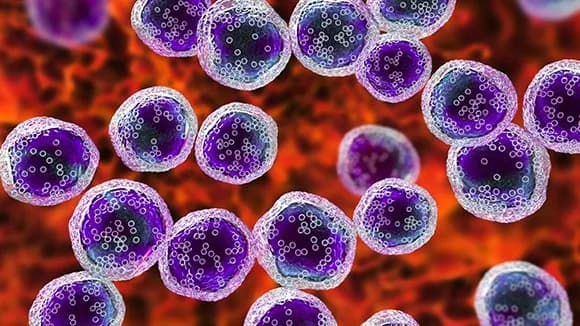
Blood contains white blood cells as well. These aid the immune system in fighting infection. And blood contains platelets, which are smaller cells. These aid in blood clotting. Additionally, proteins known as clotting factors help blood coagulate. Without these, the body cannot staunch even the smallest of wounds.
Whole blood is blood that contains all of these components. Blood transfusions are typically performed with only a portion of the blood. Your infant may receive one or more of these blood components, depending on their requirements.
When receiving a blood transfusion, receiving the correct blood type is essential. There are four significant varieties of blood: A, B, AB, and O. These categories describe molecules known as antigens on the surface of blood cells. Antigens are substances that can provoke an immune system response.
Rh factor is an additional form of antigen. Rh blood can be either positive or negative. Each individual's blood is one of eight distinct types: A+, A, B+, B, AB+, AB, O+, and O.
If people receive the incorrect blood type, their immune system will respond. This serious condition can produce severe symptoms, including fever, muscle aches, and breathing difficulties. It can occasionally be fatal.
People with blood type O lack the molecules A, B, and Rh in their blood cells. They are known as universal donors because they can donate blood to anyone.
AB+ individuals have all three molecules (A, B, and Rh) in their blood cells and can securely receive blood from any individual.
Other blood types can only donate and receive blood from compatible blood types.
Your infant may need a blood transfusion if they have experienced any of the following:
Distinct medical conditions may necessitate different blood transfusion types. For instance, following surgery, your child may require only RBCs. If your infant has a severe infection, they may need plasma. An infant undergoing cancer treatment may require platelets or white blood cells. Your child's healthcare provider can explain why they require a blood transfusion and which type is ideal.
Every procedure has inherent dangers. Risks associated with blood transfusions include:
Your child's risks may vary according to their general health, the type of blood transfusion, and whether your child has had a blood transfusion before. Discuss with the healthcare provider any risks that may apply to your child.
Your child will likely require little preparation for a blood transfusion. Your child's healthcare provider will inform you if your child requires any preparation.
Inform the healthcare provider if your child has ever experienced an adverse reaction to a blood transfusion. A medication may be administered to your infant to prevent an allergic reaction.
Before a blood transfusion, a consent form is required at most hospitals. This document must be signed by either you or another family member.
Before a blood transfusion, the blood type of your infant may be determined through testing. This is to ensure that your infant receives the appropriate blood type. The doctor may prick your child's finger to obtain a few droplets of blood. Or, blood may be extracted from a vein in your child's limb.
During the procedure, your child will receive blood donated by one or more individuals. Sometimes, your infant may receive blood previously drawn from them. Or your infant may receive blood from a relative or friend.
A medical professional will disinfect the area where the IV will be inserted. Most likely, in the arm, they will insert an IV into one of your child's vessels. Blood or blood components will be transported through this line. The entire process may take between 1 and 4 hours.
A healthcare professional will monitor your child for evidence of adverse reactions, most likely within the first fifteen minutes. Tell your child to contact a healthcare provider immediately if they develop symptoms.
During the procedure, your child should be able to consume, drink, and use the restroom with assistance. The healthcare provider will inform you of what else to anticipate.
We've compiled a list of the most frequently asked questions to help you find the information you need quickly and easily.
“If you can't find the answer to your question here, please don't hesitate to contact our support team for assistance.”

Download Our App


Powered By Docfyn