What is urinalysis?
A urinalysis is a series of tests that examine your urine’s appearance, concentration, and content. It can detect various substances, including blood cells, proteins, and other compounds. Healthcare providers use this test as part of routine screenings or to investigate signs of infections, kidney or liver disease, diabetes, and other health conditions. For example, cloudy urine could indicate a UTI, while high levels of protein in urine may suggest kidney issues.
If the results of a urinalysis are unusual, additional tests may be necessary to identify the underlying cause of the problem.
Why is urinalysis done?
A urine test typically consists of three main parts:
- Visual Examination: This involves assessing the colour and clarity of the urine. For instance, blood in the urine can make it red, tea, or cola-like, while infections might make it look cloudy. Foamy urine may indicate kidney issues.
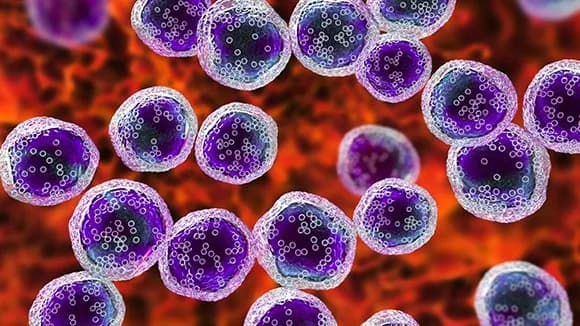
- Microscopic Examination: A small urine sample is viewed under a microscope to detect elements that aren’t normally present and are invisible to the naked eye, such as red and white blood cells (also called pus cells), bacteria, or crystals, which could form kidney stones if they accumulate.
- Dipstick Test: This uses a thin plastic strip with chemical-imbued pads that change colour if certain substances exceed normal levels in the urine. Key aspects checked during a dipstick test include:
- Acidity (pH): An abnormal pH level may signal kidney stones, infections, or other kidney-related conditions.
- Protein: Protein should generally remain in the blood and not appear in urine. Its presence in urine can be a sign of kidney damage.
- Glucose: High levels often point to diabetes.
- White Blood Cells (pus cells): These are indicators of infection.
- Bilirubin: A byproduct of red blood cell breakdown usually processed by the liver. If found in urine, it may indicate liver disease.
- Blood: Blood in the urine could result from infections, kidney issues, medications, or intense exercise and warrants further investigation.
Urinalysis can detect various health conditions early, allowing for prompt treatment and helping prevent the progression of more severe diseases.
Procedure Details
Preparation:
Usually, no special preparation is needed before a urinalysis. If you cannot provide a urine sample, you might consider drinking a bit of water beforehand—though avoid drinking too much, as it could skew test results.
It’s helpful to inform your healthcare provider if:
- You are currently menstruating, as menstrual blood or vaginal discharge could affect test outcomes.
- If you experience "shy bladder syndrome" or find it challenging to provide a urine sample outside your home, your provider can suggest comfortable alternatives for sample collection.
In some cases, your provider may advise you to:
- Use the first urine of the morning for the sample.
- Refrain from consuming certain foods before the test.
- Temporarily stop taking specific medications that could interfere with results (but only if instructed by your provider).
During the procedure:
You’ll usually provide a urine sample at your doctor’s office, a hospital, or a testing facility. You’ll receive a sterile plastic cup to take to the bathroom to collect your sample privately.
For a clean-catch sample, which minimizes contamination from skin bacteria, follow these steps:
- Use a premoistened cleaning wipe to clean around your urethra.
- Begin urinating briefly into the toilet.
- Then, place the cup under your urine stream to collect the sample, being careful not to touch the inside of the cup to avoid introducing bacteria.
Once you’re done, secure the lid on the cup, wash your hands, and either bring the sample out or place it in a designated area in the bathroom.
Sometimes, a doctor may need to obtain the sample using a catheter, a thin tube gently inserted through the urethra into the bladder. This method may cause slight discomfort. If you feel uneasy about this option, discuss alternatives with your doctor.
After you provide the sample, your part is complete. The sample will be sent to a lab or analysed in-house if facilities are available.