Logo

Get Your Surgery Cost Estimate. Know the Price Before You Decide

Receive a detailed surgery cost estimate based on your diagnosis and treatment plan. Our experienced surgical teams and modern infrastructure ensure safe outcomes. Plan your procedure with clarity, confidence, and complete medical transparency.

Quick Appointment

Fill in your details to get started

What is Immunotherapy?

Immunotherapy is an advanced cancer treatment that uses the body's immune system to detect and destroy cancer cells.

The immune system finds and defends the body from infection and disease. Cancer is a complex disease that can evade and outsmart the immune system. It's often not recognized until it has already become too difficult to handle. Unlike traditional treatments like chemotherapy or radiation that target the cancer directly, immunotherapy stimulates or restores the immune system's natural ability to fight the disease.

What are the types of immunotherapies?

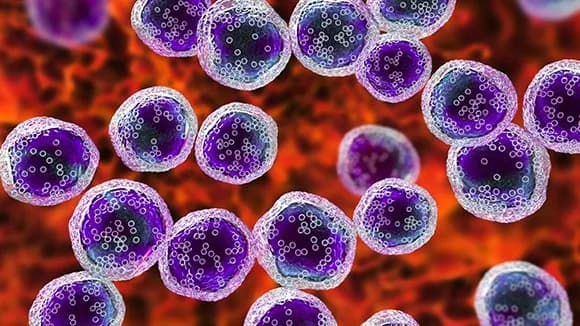
  1. Adoptive Cell Therapy (CAR-T Therapy) – In this treatment, a type of white blood cell called T-cells is collected from the patient, genetically modified in a lab to recognize and attack cancer cells, and then infused back into the body. CAR-T Therapy is primarily used for certain blood cancers, such as leukaemia and lymphoma, and has shown remarkable success in patients who haven’t responded to other treatments.
  2. Monoclonal antibodies - These antibodies are produced in the lab and are identical to the natural antibodies produced in the body. These antibodies are designed to bind specifically to a particular target, such as cancer cells or viral proteins, thereby treating the associated conditions.
  3. Checkpoint inhibitors- These therapies work by blocking specific immune checkpoints that, when active, can weaken the immune response and allow cancer cells to evade detection. By inhibiting these checkpoints, the immune system is reactivated and becomes more effective at recognizing and attacking cancer cells throughout the body.
  4. Cancer vaccines: This is an evolving field that encompasses vaccines designed either to prevent cancer from developing or to aid in treating existing cancers. For example, the HPV vaccine is a preventive vaccine that protects against certain virus-related cancers. On the other hand, therapeutic vaccines are designed to enhance the immune system’s response in fighting cancers that have already developed.
  5. Cytokine therapy: This treatment utilises cytokines, which are signalling proteins produced by our immune system. These proteins modulate and activate the body's immune system to fight diseases such as cancer, infections, or autoimmune disorders. These cytokines occur naturally in our body but can also be produced in the lab if needed. When it comes to immune responses, these cytokines play a very crucial role. They improve the power to target and eliminate disease-causing cells or tissues.

How Immunotherapy Works

The cancer cells can hide themselves from the immune system. Immunotherapy helps in curing the diseases by:

  • Activating immune cells to recognize and attack cancer cells
  • Blocking immune checkpoints, which are proteins that prevent the immune system from attacking cancer
  • Delivering synthetic proteins or lab-created immune system components to boost the body’s defence mechanisms

What are the benefits of immunotherapy?

  • Targets cancer with minimal damage to healthy cells
  • May offer long-lasting protection against cancer recurrence
  • Fewer side effects compared to traditional therapies for some patients
  • Personalized and adaptable based on your body’s response

Procedure details

There are different ways in which immunotherapy can be given to patients. These include:

  • Intravenous (IV): It is given directly into the veins.
  • Oral: This is given through pills or capsules that can be taken orally.
  • Topical: This comes in the form of a cream that can be applied to the skin. It can be used to treat skin cancer in a very early stage.
  • Intravesical: This is given directly into the bladder.

Speak to our experts about Immunotherapy at Apex Hospitals. Your personalized cancer care starts here. Book a consultation today.

Frequently Asked Questions

We've compiled a list of the most frequently asked questions to help you find the information you need quickly and easily.

Immunotherapy is used for various cancers, including: Lung cancer, Melanoma (skin cancer), Bladder cancer, Kidney cancer, Head and neck cancers, and Certain blood cancers like lymphoma and leukemia. Your oncologist will determine if immunotherapy is suitable for your specific case.
Not all patients are candidates for immunotherapy. Eligibility depends on the type and stage of cancer, overall health, and how your immune system responds. Specialized tests may be done to determine if immunotherapy will be effective.
Side effects vary by person but may include fatigue, skin rashes, fever, nausea, and inflammation of organs like the lungs or liver. Most side effects are manageable and temporary, but should be reported to your care team immediately.
Response times can vary. Some patients may see improvement within weeks, while others may take several months. Regular scans and tests help monitor your progress.
Yes. Immunotherapy is often used alongside chemotherapy, radiation therapy, or targeted therapies for better results. Your treatment plan will be personalized based on your condition.