What is breast cancer?
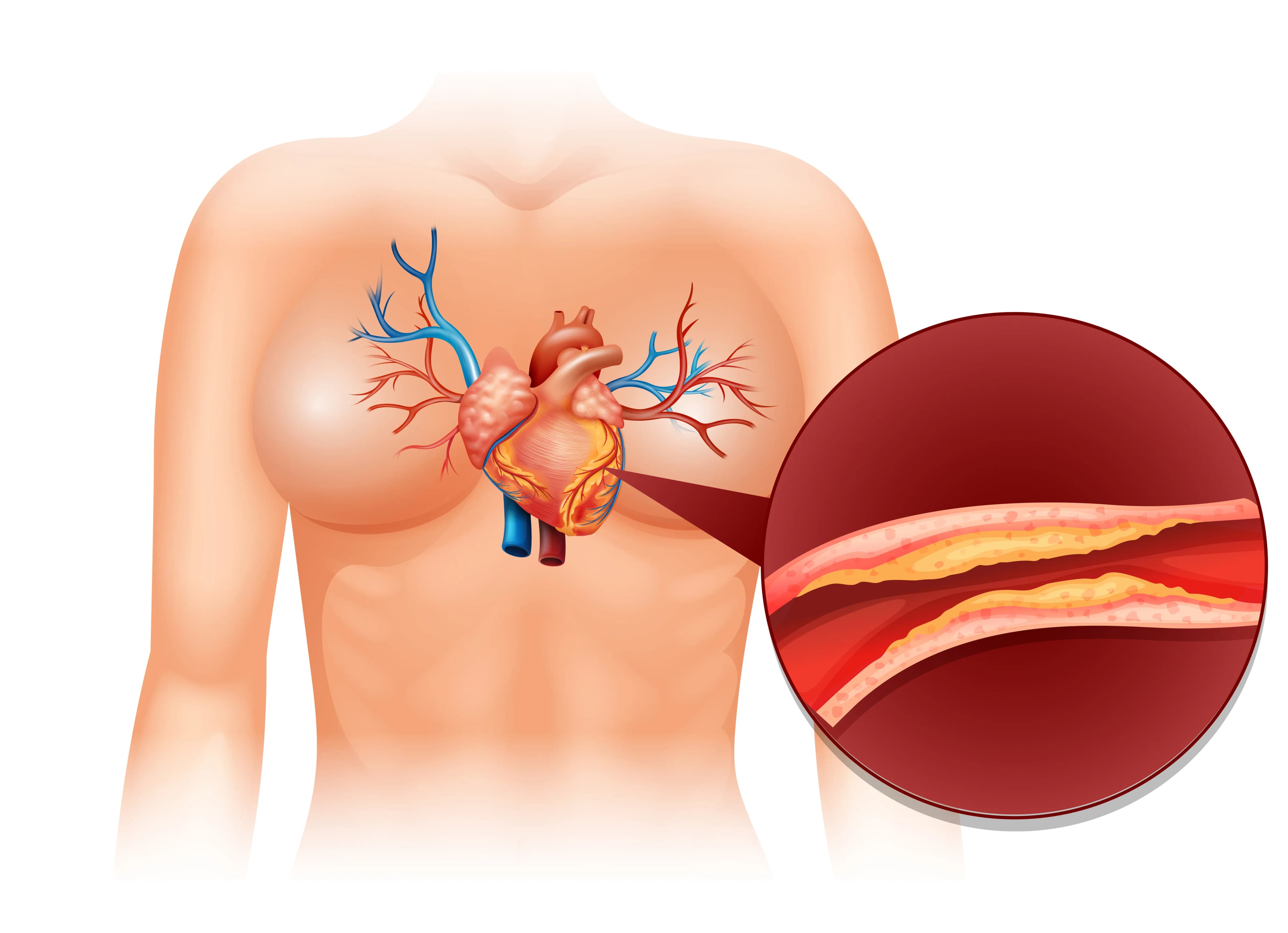
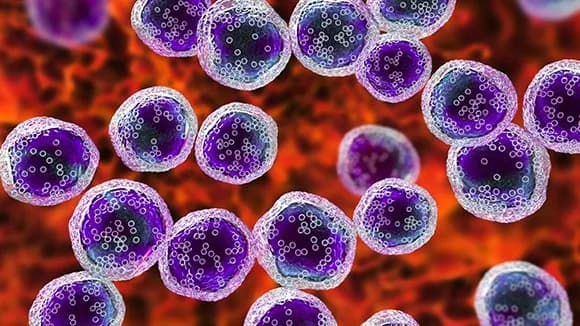
Breast cancer is a type of cancer that develops in the cells of the breast. It occurs when abnormal cells in the breast tissue begin to grow and divide uncontrollably, forming a tumour. Breast cancer can occur in both men and women, but it is far more common in women.
Treatment of Breast cancer
Typically, treatment plans encompass a blend of five main options: surgery, radiation, hormone therapy, chemotherapy, and targeted therapies. These treatments may be tailored to specific areas around the tumour (local) or the entire body (systemic), deploying agents to combat cancer throughout your system.
Chemotherapy
Chemotherapy stands as a prevalent approach for treating breast cancer, employing cytotoxic drugs to eliminate cancer cells. These drugs travel throughout the body via the bloodstream, interrupting the proliferation of cancerous cells.
Chemotherapy is typically administered in cycles, involving intervals of treatment followed by periods of rest to facilitate bodily recovery. Each treatment cycle varies depending on the drugs administered, usually every 2 to 4 weeks.
Pre-Surgery Chemotherapy (Neo adjuvant treatment):
When chemotherapy is administered before surgery, it's referred to as neo-adjuvant treatment. The primary objective is to shrink the tumour before surgical intervention. This approach may enable some individuals to undergo breast-conserving surgery (lumpectomy) rather than a mastectomy.
Post-surgery chemotherapy:
It is also termed as adjuvant therapy. This course of treatment is pursued if your physician assesses a potential risk of cancer cells metastasizing to other body parts. The objective is to diminish the likelihood of cancer recurrence.
Surgery for breast cancer
The initial step for many individuals in their breast cancer treatment journey often involves surgery. Various surgical options for breast cancer include:
- Breast-conserving surgery, known as lumpectomy or wide local excision.
- Mastectomy, involving the removal of the entire breast.
- Lymph node surgery.
- Breast reconstruction surgery to restore the breast's appearance.
Breast-conserving surgery is a procedure aimed at excising a cancerous area from the breast. This surgical approach is also referred to as wide local excision or lumpectomy by medical professionals.
During this procedure, the surgeon eliminates the cancerous region along with a portion of the surrounding breast tissue while endeavouring to preserve as much healthy breast tissue as feasible.
A mastectomy is a surgical procedure performed to eliminate the entire breast. When one breast is removed, it is termed a single or unilateral mastectomy. In contrast, the removal of both breasts is referred to as a double or bilateral mastectomy.
Radiation Therapy
Radiotherapy is a prevalent therapeutic approach for breast cancer, employing high-energy X-rays to eradicate cancerous cells. Typically, external beam radiotherapy is utilized for breast cancer treatment, which involves directing radiation from a machine to target the cancerous tissues.
Following surgery, radiotherapy is often administered to diminish the likelihood of cancer recurrence. Additionally, individuals with secondary breast cancer, where the cancer has metastasized to other body parts like the brain or bones, may also undergo radiotherapy.
Hormone Therapy
Certain hormones can trigger the growth of specific breast cancer cells. Hormone therapy functions by reducing hormone levels in the body or obstructing their access to breast cancer cells. Hormone therapy is also referred to as endocrine therapy.
Various types of hormone therapy exist, and the specific type required depends on several factors. Among the most prevalent forms of hormone therapy employed for breast cancer treatment is tamoxifen.
Targeted and Immunotherapy
Targeted or immunotherapy medications may be included as part of breast cancer treatment.
Targeted cancer drugs function by explicitly targeting the distinctions in cancer cells that facilitate their growth and survival.
Immunotherapy leverages our immune system to combat cancer. It enhances the immune system's ability to identify and attack cancer cells.
Certain medications exhibit dual functionality, targeting cancer cells while collaborating with the immune system, offering a combined targeted and immunotherapeutic approach.
Speak to our experts about breast cancer.
Are you or a loved one facing decisions regarding breast cancer treatment? Our team of experienced oncologists is here to provide guidance, support, and personalized care every step of the way. Whether seeking information, exploring treatment options, or needing emotional support, we're dedicated to helping you navigate this journey with confidence and compassion.
Apex Hospitals is committed to providing comprehensive, patient-centred care that empowers you to make informed decisions about your breast cancer treatment. Schedule a consultation with our experts today and take the first step towards a brighter, healthier future.