What is a salpingectomy?
Salpingectomy is the surgical removal of the fallopian tubes. The fallopian tubes are hollow structures transporting eggs from the ovaries to the uterus. The word can apply to surgeries that completely remove one or both fallopian tubes or treatments that remove only sections of the fallopian tube(s).
Types of Salpingectomies
The reason for the surgery influences the decision to remove all or part of a fallopian tube, the patient's age and health, and their reproductive concerns.
Partial salpingectomy: Part of the fallopian tube is removed during a partial salpingectomy.
Complete salpingectomy is the surgical removal of one (unilateral) or both (bilateral) fallopian tubes. Removing both fallopian tubes does not result in menopause because the fallopian tubes do not produce hormones.
Salpingo-oophorectomy: The fallopian tube and ovary are removed during a salpingo-oophorectomy. It can be unilateral (removing one fallopian tube and one ovary on the same side) or bilateral (removing both fallopian tubes and one or both ovaries on the same side).
Salpingectomy with ovarian preservation means that a person's oestrogen and other hormone levels are maintained since the ovaries are preserved: The fallopian tubes are the only thing removed.
Opportunistic salpingectomy is the surgical removal of both fallopian tubes as part of another abdominal procedure (such as gallbladder surgery, hernia surgery, caesarean birth, or hysterectomy) to avoid cancer of the fallopian tube, ovary, or peritoneum.
What should I do to prepare for a salpingectomy?
Your healthcare professional will review the procedure with you and any pre-and post-operative care recommendations. These recommendations may differ depending on the type of salpingectomy you're having, your age, and other medical issues. Ensure you understand the dangers of a salpingectomy and the estimated recovery time and procedure.
Your salpingectomy procedure is deemed a life-threatening emergency if you have an ectopic pregnancy.
What takes place during a salpingectomy?
Salpingectomy surgical procedures are classified into two types:
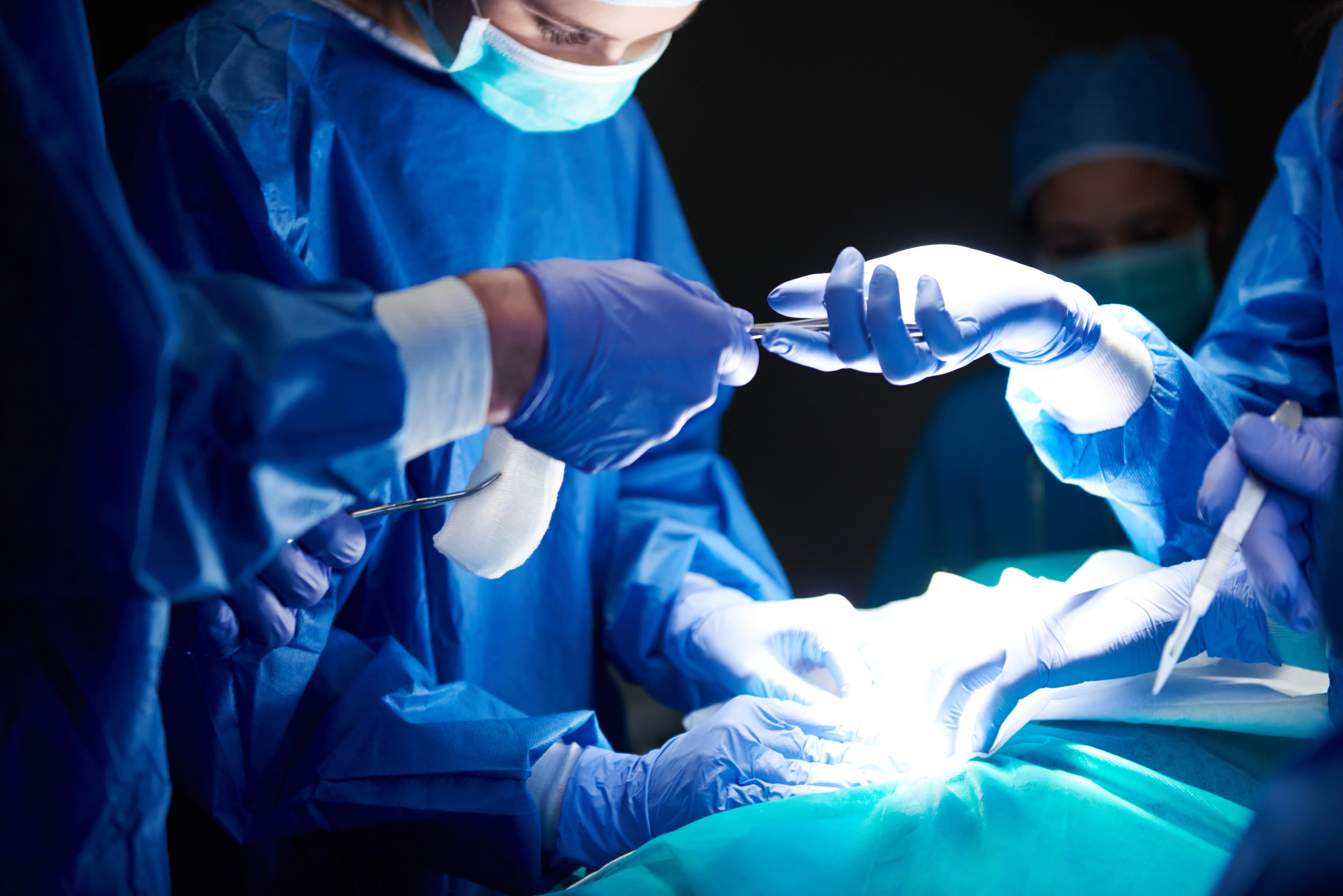
- Salpingectomy by laparoscopy. A laparoscope is a narrow instrument with a light and camera at the end used in minimally invasive surgery. A tiny incision implants it in the abdomen. The surgeon will then inflate your belly with gas to see your uterus and fallopian tubes in more detail. Finally, surgical tools are placed into your stomach through other tiny incisions to remove the fallopian tubes. After removing excess blood and fluid, your surgeon will close the incisions with stitches or medical glue.
- An open abdominal salpingectomy is performed. A laparotomy is a big incision made across your abdomen. Through this incision, your surgeon can access your fallopian tubes. After removing the fallopian tubes, your surgeon will stitch or close the incision.
A laparoscopic method is favoured because it is less intrusive, has a shorter recovery period, and is less likely to result in problems. However, depending on other conditions, an open approach may be required.
What happens following a salpingectomy?
You will be transferred to a recovery room for monitoring following a salpingectomy. You can go home the same day if your procedure was conducted laparoscopically. If you had an open salpingectomy, you would usually be hospitalized overnight. Your healthcare provider will manage any pain or discomfort. The exact time of recovery varies. Everyone heals at their own pace, but planning several days of rest after surgery is advisable. Before leaving the hospital or surgery centre, ensure that you have received post-operative instructions on when you can resume normal activities such as showering, using the stairs, taking medications, driving, and returning to work.
What are the benefits of having a salpingectomy?
Salpingectomy cures specific medical issues and helps avoid ovarian cancer in women predisposed to it. The main advantage of the operation is that it relieves symptoms caused by fallopian tube disorders and lowers your risk of acquiring cancer. A salpingectomy can also provide permanent contraception, ensuring you never become pregnant again.
What are the risks of a salpingectomy?
A salpingectomy, like any other surgical procedure, has risks:
- There might be bleeding at the surgical site.
- General reaction to anaesthesia.
- Blood clots
- Damage to nearby organs and tissues.
- Infection.
Contact your healthcare practitioner if you experience any of these symptoms while recovering.
How long does it take to recuperate after a salpingectomy?
Most people will recover from a laparoscopic salpingectomy within a few days. However, returning to your routine could take up to 14 days. You can return to work when you are ready, though you may need to make some adjustments for a while.
Your recovery time will be extended if you have an open abdominal salpingectomy or additional surgeries. You should expect a four to six-week recuperation period. This is because your incision site may be sore or unpleasant, making it difficult to resume normal activities. Discuss with your healthcare professional what changes you should make during your recovery.
Follow your doctor's advice on avoiding activities after surgery, such as sexual intercourse. Depending on the type of surgery, you should avoid specific exercises, lifting heavy objects, and anything that causes strain on your abdomen for at least two to six weeks.
Can I conceive after having a salpingectomy?
It is determined by the sort of salpingectomy you underwent. If you have a unilateral salpingectomy (just one fallopian tube is removed), you can conceive if the other fallopian tube remains functional. You cannot conceive naturally if both fallopian tubes are removed (bilateral salpingectomy). You can have an IVF (In Vitro Fertilization) pregnancy after having a salpingectomy. IVF is a procedure in which your eggs are fertilized in a laboratory and transferred into your uterus.