What is oophorectomy?
An oophorectomy is a surgical surgery that removes one or both of your ovaries. Your ovaries are almond-shaped organs in your pelvis on either side of the uterus. Your ovaries create eggs and hormones that regulate your menstrual cycle. The procedure is bilateral oophorectomy, when both ovaries are removed during an oophorectomy. The process is unilateral oophorectomy when only one ovary is removed during surgery. An oophorectomy can also be performed as part of a hysterectomy (uterine removal).
Why is it done?
An oophorectomy may be performed for the following reasons:
- A tubo-ovarian abscess is a pus-filled pocket that involves both the fallopian tube and the ovary.
- Ovarian cancer
- Endometriosis
- Ovarian tumours or cysts that are not malignant (benign).
- Reducing the risk of ovarian or breast cancer in persons at high risk
- Torsion of the ovary
Risks of oophorectomy
Oophorectomy is a relatively safe surgical surgery. However, there are dangers associated with every surgical operation.
The following are some of the risks of an oophorectomy:
- Bleeding
- Infection
- Organ damage in the vicinity
- Rupture of a tumour, spreading potentially cancerous cells
- Retention of ovary cells in premenopausal women that causes symptoms such as pelvic pain (ovarian remnant syndrome)
- If both ovaries are removed, you cannot conceive on your own.
Menopause following oophorectomy
If both ovaries are removed, you will go through menopause if you haven't already. This deprives the body of hormones generated in the ovaries, such as oestrogen and progesterone, resulting in consequences such as:
- Menopause symptoms such as hot flashes and vaginal dryness.
- Anxiety or depression
- Heart disease
- Memory issues
- Reduced sexual urge
- Osteoporosis
An oophorectomy performed at a younger age, such as before age 45, may raise the risks associated with early menopause. Discuss the hazards with your doctor as they pertain to your case.
Low-dose hormone replacement therapy after surgery and until about 50 may lower the likelihood of these problems. However, hormone replacement treatment has its own set of hazards. Consult your doctor about your options.
How do you prepare?
To prepare for an oophorectomy, your doctor may request that you:
- Limit beverages and stop eating a set number of hours before your procedure.
- Certain drugs should be discontinued.
- Submit imaging tests such as ultrasound and blood testing to assist surgeons in planning the treatment.
What can you expect?
During the procedure:
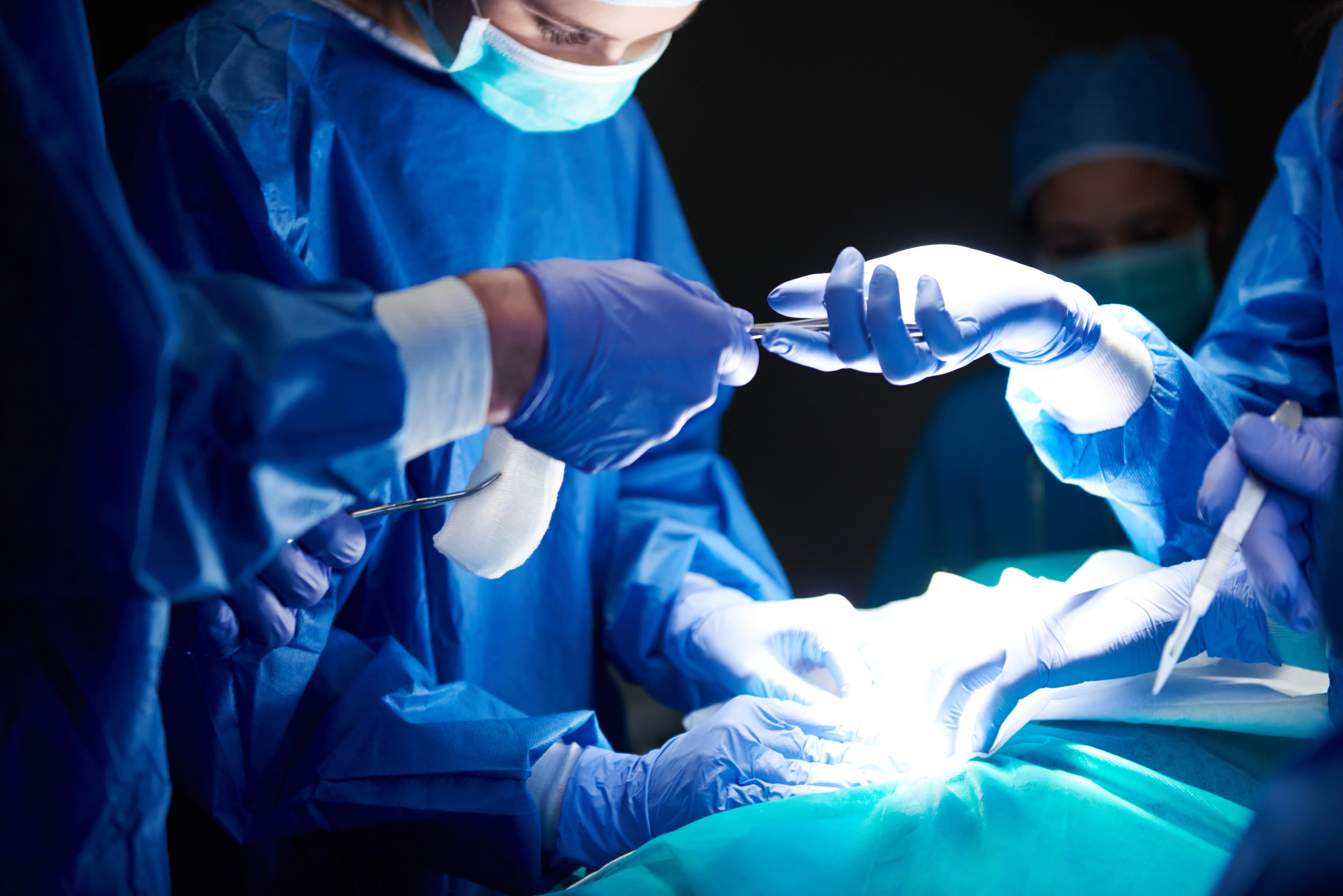
During oophorectomy surgery, anaesthesia will be used to put you to sleep. You will be completely unaware during the procedure.
There are two methods for doing an oophorectomy:
- Laparotomy: The surgeon uses this surgical method to access your ovaries by making one large incision in your lower belly. The surgeon isolates each ovary from its blood supply and surrounding tissue before removing it.
- Laparoscopy: Laparoscopic surgery is a minimally invasive procedure. The physician uses this surgical method to make a couple of tiny incisions in your belly. The surgeon puts a tube containing a small camera and special surgical tools through one incision and unique surgical tools through the others. The camera sends video to an operating room monitor, which the surgeon uses to guide the surgical instruments. Each ovary is placed in a pouch after being detached from the blood supply and surrounding tissue. The bag is extracted from your belly via one of the tiny incisions. A surgical robot can also be used to help with laparoscopic oophorectomy. The surgeon sees a 3D monitor and uses hand controls to manoeuvre the surgical tools during robotic surgery.
Your situation will determine whether you have an open, laparoscopic, or robotic oophorectomy. Laparoscopic or robotic oophorectomy typically results in a faster recovery, less pain, and a shorter hospital stay. However, these treatments are not ideal for everyone, and in some situations, a laparoscopic procedure may need to be modified to an open process during the operation.
After oophorectomy
Following an oophorectomy, you should anticipate to:
- As your anaesthesia wears off, spend time in the recovery room.
- Transfer to a hospital room, where you may be required to stay for a few hours to a few days, depending on your treatment.
- Get up and about as soon as you can to aid your recovery.
After oophorectomy surgery, most patients can go home and do not need to stay the night in the hospital.
Results
The speed with which you can resume your typical activities after an oophorectomy is determined by your circumstances, including the cause of your surgery and how it was performed. Most people can resume normal activities two to four weeks after surgery. Consult your surgeon about exercise, driving, sexual limits, and total activity level.