What is a mechanical thrombectomy?
Mechanical thrombectomy is a minimally invasive procedure performed by a neurosurgeon to remove a clot from a patient's artery. Using specialized equipment, the radiologist navigates through the patient's arteries to reach the clot, guided by fluoroscopy, which provides continuous X-ray imaging.
The procedure begins with a small incision in the wrist or abdomen, providing access to an artery. A catheter is then inserted through the incision and directed to the clot. Subsequently, a tiny net-like device called a stent retriever is passed through the catheter and positioned at the site of the blockage. Once in place, the stent retriever expands to match the artery's diameter, effectively trapping the clot. The neurosurgeon can retract the stent retriever, pulling the clot out in reverse and completely removing it from the artery.
What conditions are treated by mechanical thrombectomy?
This procedure is utilized to address arterial blockages resulting from blood clots. Mechanical thrombectomy can effectively treat the following conditions:
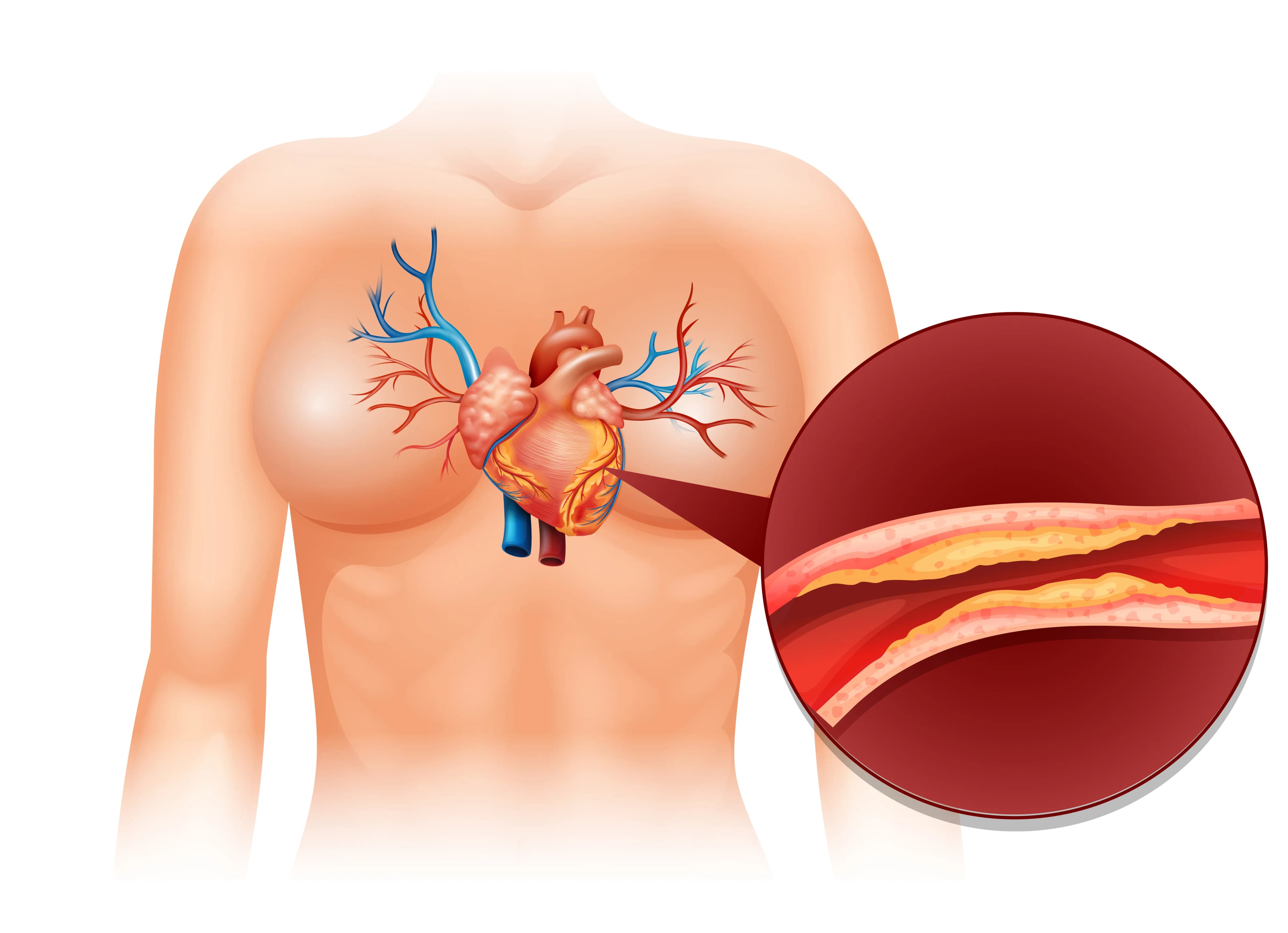
- Deep Vein Thrombosis (DVT): Occurs when a blood clot forms within an artery, typically in the legs, but can also affect the arms. DVTs pose risks of long-term complications such as damage to vein valves, leading to issues like pain, swelling, and leg ulcers. Additionally, there's a risk of clot detachment, potentially causing a pulmonary embolism, a life-threatening condition involving blockage of blood flow to the lungs.
- Ischemic Stroke: Arises from a blood clot forming either directly within an artery supplying the brain or originating in another part of the body and migrating to a brain artery. This interruption in blood supply to the brain can result in rapid and irreversible brain damage within minutes.
Mechanical thrombectomy at Apex Hospitals
Benefit from our extensive expertise gained through routine mechanical thrombectomy procedures, offering promising outcomes. Patients presenting with severe strokes find renewed hope and vitality post-procedure, reclaiming their speech, driving capabilities, and cherished activities.
Key features of our program include:
- Round-the-clock availability: Our dedicated care teams ensure continuous access to top-tier stroke care.
- Expert specialists: Proficient neurosurgeons with specialized training in endovascular techniques execute mechanical thrombectomy procedures. Their expertise ensures safe management even in intricate cases.
- Cutting-edge imaging: Leveraging state-of-the-art neuroimaging technologies, we meticulously plan each procedure. These advanced tests precisely delineate the affected brain regions, aiding in determining mechanical thrombectomy suitability for each patient's unique situation.
What to expect during the procedure?
Should mechanical thrombectomy align with your treatment plan, here's a glimpse of the procedure:
- A skilled endovascular specialist initiates the process by creating a small incision in your groin or wrist.
- A catheter is carefully navigated through an artery leading to your neck and brain using real-time X-ray-guided imaging.
- Upon reaching the clot site, specialists introduce a device known as a stent retriever into the catheter and manoeuvre it beyond the blood clot.
- The device expands, gently stretching the artery walls and trapping the clot.
- Subsequently, the stent retriever and clot are meticulously withdrawn through the artery and extracted via the incision.