What is cancer surgery?
Cancer surgery is the surgical procedure performed to remove a tumour and potentially affected surrounding tissue. With its long-standing history as the oldest form of cancer treatment, surgery is a highly effective approach to addressing various types of cancer. A skilled medical professional specializing in cancer surgery is known as a "surgical oncologist."
How is cancer surgery used?
Cancer surgery serves various purposes and is used for several reasons, including:
- Cancer prevention: In certain types of cancer, removing an organ before cancer develops can be preventive. Surgery plays a crucial role in averting the onset of cancer in such cases.
- Diagnosis
- Staging: Cancer surgery aids in determining the size of the tumour and its extent of spread. This information is vital in determining the cancer's stage, which indicates the severity of the condition and the necessity for aggressive treatment.
- Primary treatment: Surgery often serves as the primary treatment for many cancers. It is the primary approach used to eliminate cancerous cells and tumours.
- Debulking: A surgeon may perform debulking surgery in cases where complete cancer removal is impossible. This procedure involves removing as much of the tumour as feasible, aiming to reduce its size and alleviate symptoms.
- Relieving symptoms or side effects
- Combination with other treatments: Surgery is frequently combined with cancer treatments such as chemotherapy, radiation therapy, and other targeted therapies. The selection of medicines depends on factors such as the type and stage of cancer and the individual's overall health.
It is important to note that the specific reasons for cancer surgery may vary depending on the individual case and the recommendations of the healthcare team of Apex Hospitals.
How is Cancer Surgery performed?
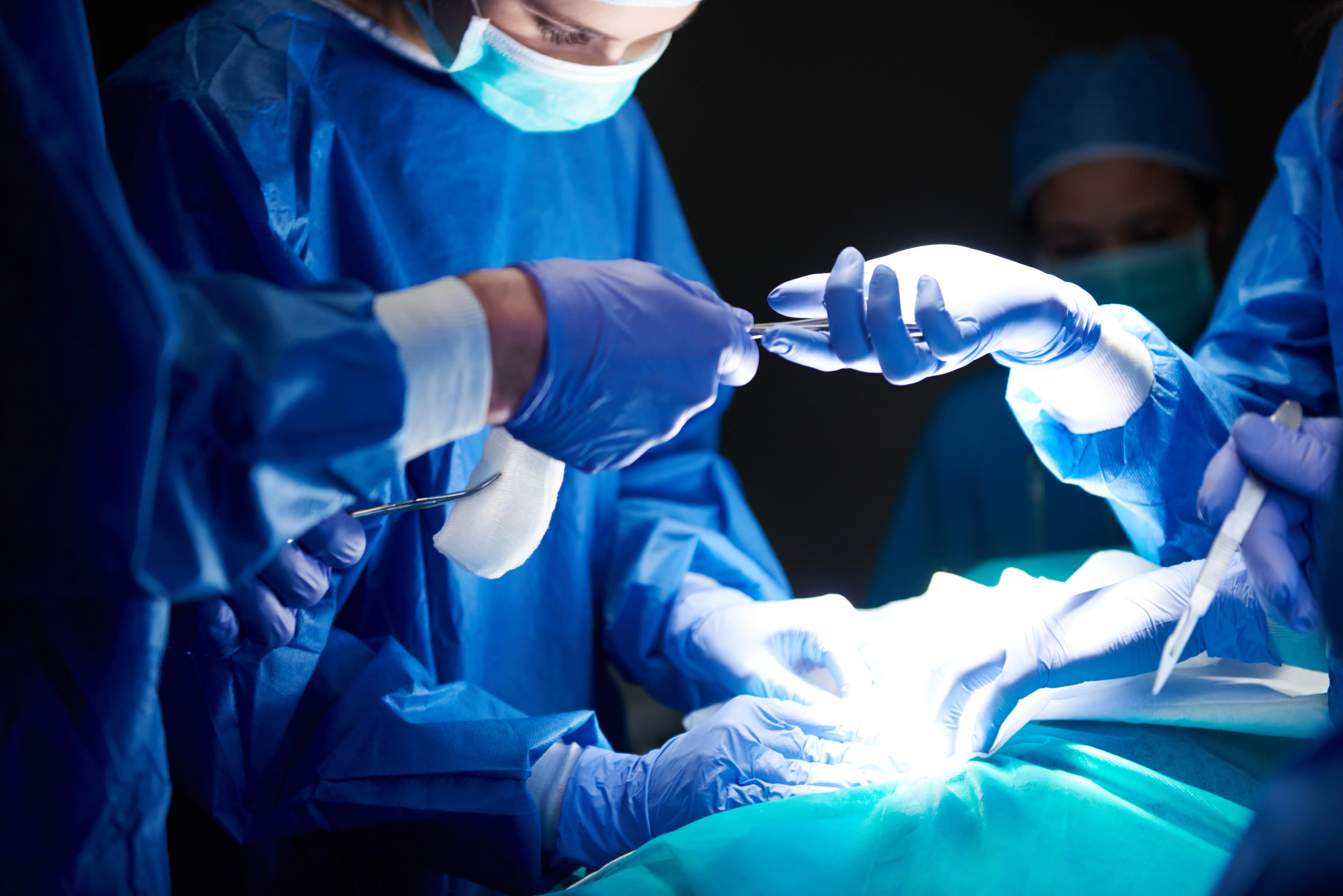
Cancer surgery aims to remove all of the cancer from the body when possible. To do this, the surgeon uses cutting tools to remove the tumour and some healthy tissue around it.
The surgeon may also remove some lymph nodes in the area. The lymph nodes are tested to see if they contain cancer cells. If cancer spreads to the lymph nodes, there's a chance that the cancer could spread to other parts of the body.
What other techniques are used in cancer surgery?
- Cryosurgery: This surgical technique employs extremely cold substances like liquid nitrogen spray or a cold probe to freeze and destroy cancer cells.
- Electrosurgery: Electric current is utilized to effectively eliminate cancer cells.
- Laser surgery: Laser surgery employs focused light beams to shrink or eliminate cancer cells.
- Mohs surgery: Mohs surgery involves carefully removing cancer layer by layer. Each thin layer is examined under a microscope to detect any remaining signs of cancer. This process is repeated until the entire cancer is eradicated. Mohs surgery is often employed for cancers in sensitive skin areas, such as around the eye.
- Natural orifice surgery: This innovative approach allows surgeons to operate on abdominal organs without making incisions through the skin. Instead, surgical instruments are inserted through natural body openings such as the mouth, rectum, or vagina. For instance, tools may be passed through the throat into the stomach, with a small incision in the stomach wall to access the surrounding area. Natural orifice surgery is a relatively new technique that reduces the risk of infection, pain, and other post-surgical complications.
Brain Tumor Surgery is an evolving field; researchers continuously explore additional, less invasive surgical methods to advance the field.
What can you expect before and after cancer surgery?
The preparation and post-surgery healing process for cancer surgery vary depending on the brain tumor operation. However, certain aspects generally remain consistent, including:
- Preparation: Before undergoing surgery, expect to undergo various tests such as blood tests, urine tests, X-rays, and other imaging tests. These tests help your surgeon plan the procedure and determine if any pre-existing conditions may pose risks during surgery.
- Anaesthesia: Most surgeries require some form of anaesthesia to manage pain. The type of anaesthesia administered will depend on the specific operation and individual circumstances.
- Recovery: Following surgery, the duration of hospital stay can vary depending on the complexity of the procedure. Your Apex Hospitals' healthcare team will provide specific instructions for your recovery. They will discuss wound care, dietary restrictions, activity limitations, and prescribed medications. It is essential to fully comprehend the post-surgery guidelines and restrictions. If you have responsibilities for caring for other family members, such as children or elderly relatives, do not hesitate to seek assistance during your recovery period.
It is important to note that each cancer surgery case is unique, and the details of preparation and recovery may differ based on individual factors and the specific surgical procedure being performed. Your Apex Hospitals healthcare team will provide personalized guidance to ensure a smooth and successful recovery.
Regarding your cancer surgery, you need a team of specialists who understand your unique challenges and complexities. At Apex Hospitals, our experienced team will provide comprehensive care and oversee every aspect of your treatment journey. Trust Apex Hospital to deliver expert care and give you the best chance at a successful outcome.
Book a consultation now.