What is spinal cord stimulation?
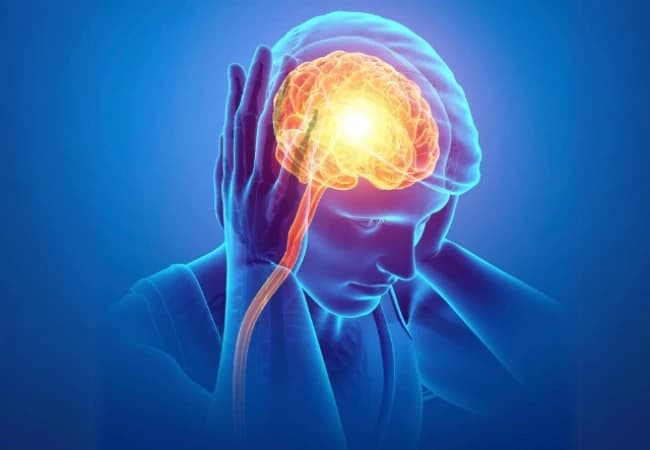
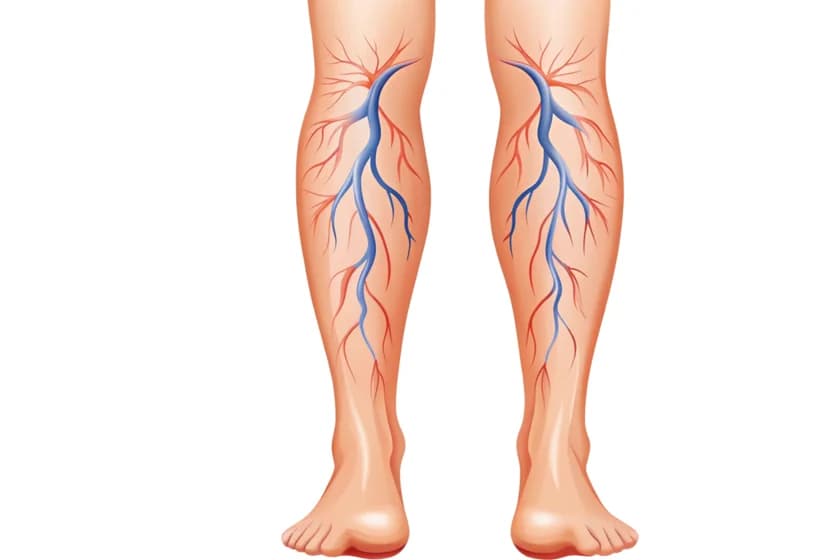
A spinal cord stimulator (SCS) manages chronic pain in some body regions, particularly the back, legs, or arms. It sends electrical impulses to the spinal cord, which interfere with or block the pain signals travelling to the brain. This can help reduce the sensation of pain and improve the individual's quality of life.
How does a spinal cord stimulator treat pain?
A spinal cord stimulator (SCS) is a device used by neurologists to treat chronic pain by delivering mild electrical impulses to the spinal cord. These impulses interfere with the transmission of pain signals to the brain, thereby reducing the sensation of pain experienced by the patient. The neurologist implants thin wires with electrodes near the spinal cord, and a pulse generator is placed under the skin to generate the electrical impulses. Patients can control the intensity and frequency of the impulses using an external remote-control device. This treatment is often considered for individuals who have not found relief from other treatments and can be beneficial for conditions like failed back surgery syndrome, neuropathy, and spinal cord injury. Patients need to discuss the potential risks and benefits of SCS with our neurologists specialized in pain management, before undergoing the procedure.
What are the conditions treated by spinal cord stimulation?
Chronic pain can stem from various underlying causes, some more prevalent than others. These potential reasons encompass:
- Back pain.
- Complex regional pain syndrome (CRPS).
- Persistent spinal pain syndrome (PSPS), formerly known as failed back surgery syndrome, occurs post-laminectomy surgery.
- Neuropathy induced by diabetes (nerve damage).
- Neuropathic pain arising from nerve malfunctions.
Ongoing research is exploring the efficacy of spinal cord stimulation for individuals with:
- Central pain syndrome and heterotopic ossification (formation of bony tissue within soft tissues).
- Ischemic pain resulting from inadequate blood flow.
- Uncontrollable chest pain (angina) resistant to conventional treatments.
- Spinal cord injuries and other nerve-related traumas.
- Postherpetic neuralgia, nerve pain triggered by shingles.
How does a spinal cord stimulator work?
Spinal cord stimulators comprise slender wires known as electrodes and a compact battery pack resembling a pacemaker, termed the generator. These electrodes are delicately positioned within the epidural space between the spinal cord and the vertebrae. At the same time, the generator is discreetly implanted under the skin, typically near the buttocks or abdomen. Functioning as a pain management tool, spinal cord stimulators empower patients to administer electrical impulses via a remote control upon experiencing pain. Both the remote control and its antenna remain external to the body.
Although the precise mechanisms of spinal cord stimulation are not yet fully elucidated, recent insights suggest that it can directly target multiple muscle groups along the spine and potentially modulate pain perception within the brain.
Conventional spinal cord stimulators generate a gentle tingling sensation, termed paraesthesia, to supplant the feeling of pain. However, newer devices offer "sub-perception" stimulation for individuals who find these sensations uncomfortable, which remains imperceptible.
Modern advancements in device technology have facilitated the placement of these stimulators by physicians with specialized training in interventional pain management. Utilizing X-ray and ultrasound guidance, these experts ensure precise and optimal positioning of the devices for enhanced efficacy.
Procedure Details
Before the procedure
Spinal cord stimulation is typically not the initial treatment choice. It is considered when other therapies like physical therapy and medication injections fail to provide relief. Before proceeding with this surgical option, patients undergo a series of laboratory, imaging, and diagnostic assessments. These tests ensure their overall health and help identify underlying conditions that might contraindicate the procedure.
During the procedure
Spinal cord stimulator implantation typically involves two procedures. The first is a trial procedure, followed by the complete surgery if the trial is successful. The preparations before both procedures remain the same, as outlined in the "What happens before this procedure?" section.
One or more electrical leads, consisting of insulated wires or small flat panels with conductive contacts near the tip, are attached during the procedure. These leads are inserted into the epidural space between the dura mater (the outer membrane surrounding the spinal cord) and the ligaments within the spine. The leads are then connected to a pulse generator, which produces an electrical current that stimulates the spinal cord.
The placement of the leads on the spinal cord may vary depending on individual circumstances. For most individuals, the optimal placement is in the back, typically around the lower edge of the sternum. However, for those experiencing pain in the arm, placement in the neck may be considered.
After the procedure
You can typically return home the same or the following day after the trial procedure. Similarly, after the generator implantation surgery, most individuals can expect to be discharged within one or two days.
Your healthcare provider will provide specific guidance and instructions for caring for the procedure site after the trial lead placement and the generator implantation. This typically involves tending to the surgical wound, ensuring cleanliness, and changing bandages regularly for seven to 10 days.
Approximately 10 to 14 days after the generator implantation surgery, you'll have a follow-up appointment during which your provider will remove any staples and stitches.
Speak to our experts about spinal cord stimulation
Speak to our experts about spinal cord stimulation, led by some of the best neurologists in Jaipur. They bring years of experience and expertise in managing chronic pain conditions. Book your consultation today to explore how spinal cord stimulation could alleviate your discomfort and improve your quality of life.