What is a sleep study?
A sleep study, also known as a polysomnogram, is a diagnostic test that monitors and records the functioning of multiple body systems while you sleep. This test utilizes sensors that monitor the activity of various body systems, including your pulse, brain, and respiratory system, to provide healthcare professionals with a comprehensive assessment of your sleep quality.
When should a sleep study be performed?
A sleep study is a diagnostic test, indicating that medical professionals use it to diagnose or rule out health conditions. When you have symptoms of sleep-disordered conditions, your healthcare provider may recommend this test to determine how to treat those conditions or to evaluate the efficacy of previous treatments. These conditions typically influence or disrupt the brain, nervous system, breathing, and heart.
Conditions that a sleep study can diagnose include:
- Both obstructive and central sleep apnoea.
- The state of Narcolepsy.
- Periodic limb movement disorder, which also has restless legs syndrome.
- Insomnia
- Specific forms of epilepsy and seizures.
- Night terrors are also referred to as sleep terrors.
- Nocturnal panic attacks
- Sleepwalking and other sleep-related behaviour disorders.
- Sleep paralysis.
- Other parasomnias and sleep disorders that disrupt sleep.
When are sleep studies conducted?
The majority of sleep investigations are conducted during regular sleeping hours. Because most people sleep at night, sleep study facilities (also known as sleep laboratories) schedule the majority of participants for overnight studies. Those who work nocturnal hours and shifts and, therefore, sleep during the day can typically schedule a daytime sleep study if necessary.
What is a Sleep Study Used to Measure?
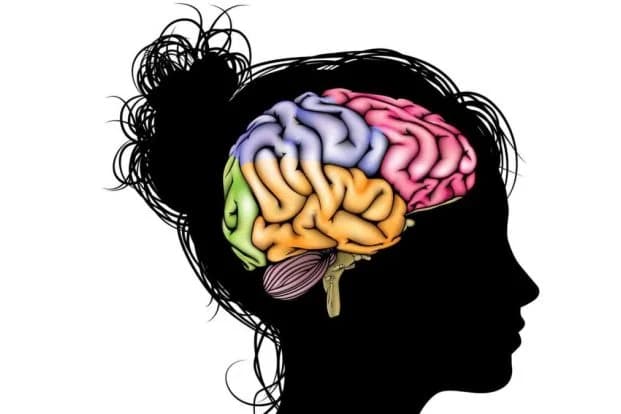
A sleep study provides a more comprehensive picture of the quality of your sleep and the factors that may be influencing it. The electrodes, which are tiny metal discs with attached wires, are used to monitor:
- Brainwave activity and the stages of sleep
- heart rhythm
- muscle tone
- leg movement
- respiratory patterns
- Blood oxygen saturation
The practitioner will then interpret the collected data and discuss the results with you.
The Day of Your Sleep Study
On the day of the study, you should adhere to your regular diet and regimen, with the following exceptions:
- After lunch, avoid caffeine (e.g., coffee, tea, soft beverages, chocolate).
- Avoid drinking alcohol, as it can interfere with sleep.
- Cleanse your hair of any hair serum and other styling products. They can cause monitoring equipment to malfunction.
- Avoid napping during the day.
- If your healthcare provider instructs you to discontinue taking your regular medications, stop taking them before the test.
What can you expect?
After you arrive at the sleep study location, the healthcare professionals overseeing the study will transport you to the room where you will spend the night. Once you arrive, you will change into comfortable clothes, and the staff will attach sensors to various places on your body. Most sensors have adhesive or require tape to attach them; if you have sensitive skin or an allergy to adhesives, please inform the staff before they connect the sensors.
After personnel have attached the sensors, they will have you perform a few tasks to ensure they are calibrated and functioning correctly. The uncomplicated tasks include eye movement, mouth opening and closing, and leg movement.
The sensor wires should be sufficiently long to enable comfortable movement in bed. However, if you need to get out of bed, a staff member may need to help you disconnect the cables. Only unplug them if instructed by a staff member, as doing so incorrectly may impact the sleep study results.
After the staff calibrates the sensors, you can watch television or read before sleeping. Most individuals sleep poorly during a sleep study due to the unfamiliar environment or the sensors they wear. However, this typically only affects the results of your research.
In certain circumstances, providers and personnel monitoring your sleep study may check on you while you sleep. These consist of:
- If a wire or sensor becomes disconnected, staff typically enter the room, wake you, and reconnect the sensor.
- They will contact you immediately if they notice signs of a severe problem during your sleep study, such as a seizure or other potential medical emergency.
What should I expect after a sleep study?
When you wake up in the morning, sleep lab personnel will assist in disconnecting and removing all sensors. Afterwards, you may change into your daytime clothes and exit the sleep laboratory.
What are the risks and side effects of a sleep study?
Very few side effects or complications are associated with sleep studies. This is most likely an irritation or allergic reaction to the adhesives or tapes used to attach sensors. A common consequence of being in an unfamiliar environment is that people sleep less soundly or for shorter durations.
There may be additional complications, but they are uncommon and differ from individual to individual. Our healthcare providers at Apex Hospitals are the best people to provide further information about what is probable in your case.