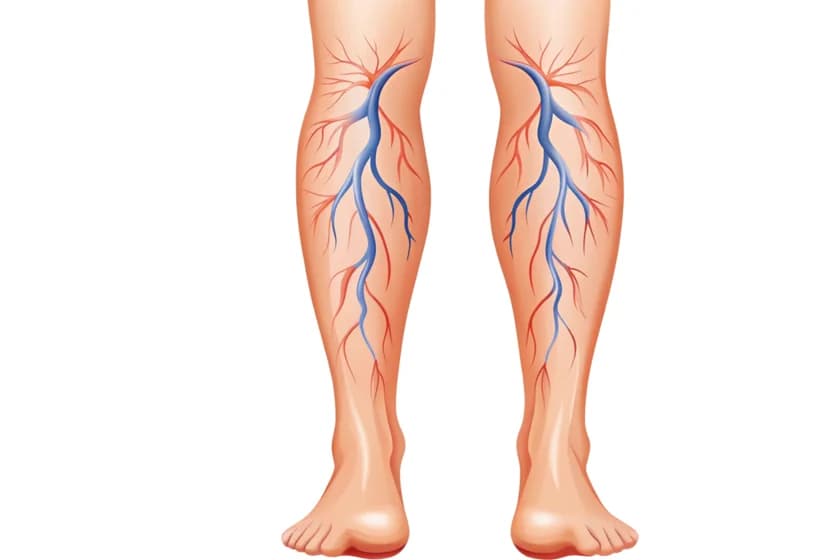
What is polycystic kidney disease?
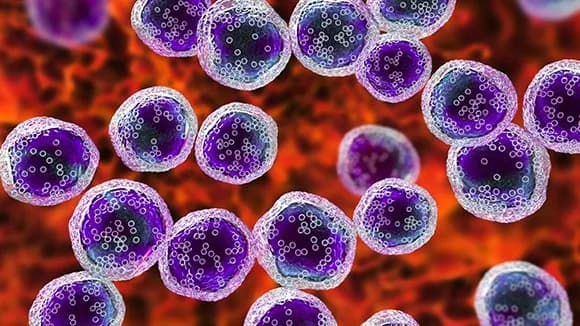
Polycystic kidney disease (PKD) is a hereditary condition characterized by the formation of multiple cysts—fluid-filled sacs—primarily in the kidneys. These cysts gradually increase, causing the kidneys to enlarge and lose their ability to efficiently filter waste from the bloodstream. Over time, this progressive loss of kidney function may lead to kidney failure.
PKD is typically inherited, making it a genetic condition in families. The non-cancerous cysts vary in size and can grow significantly large. The presence of numerous or large cysts often leads to kidney damage.
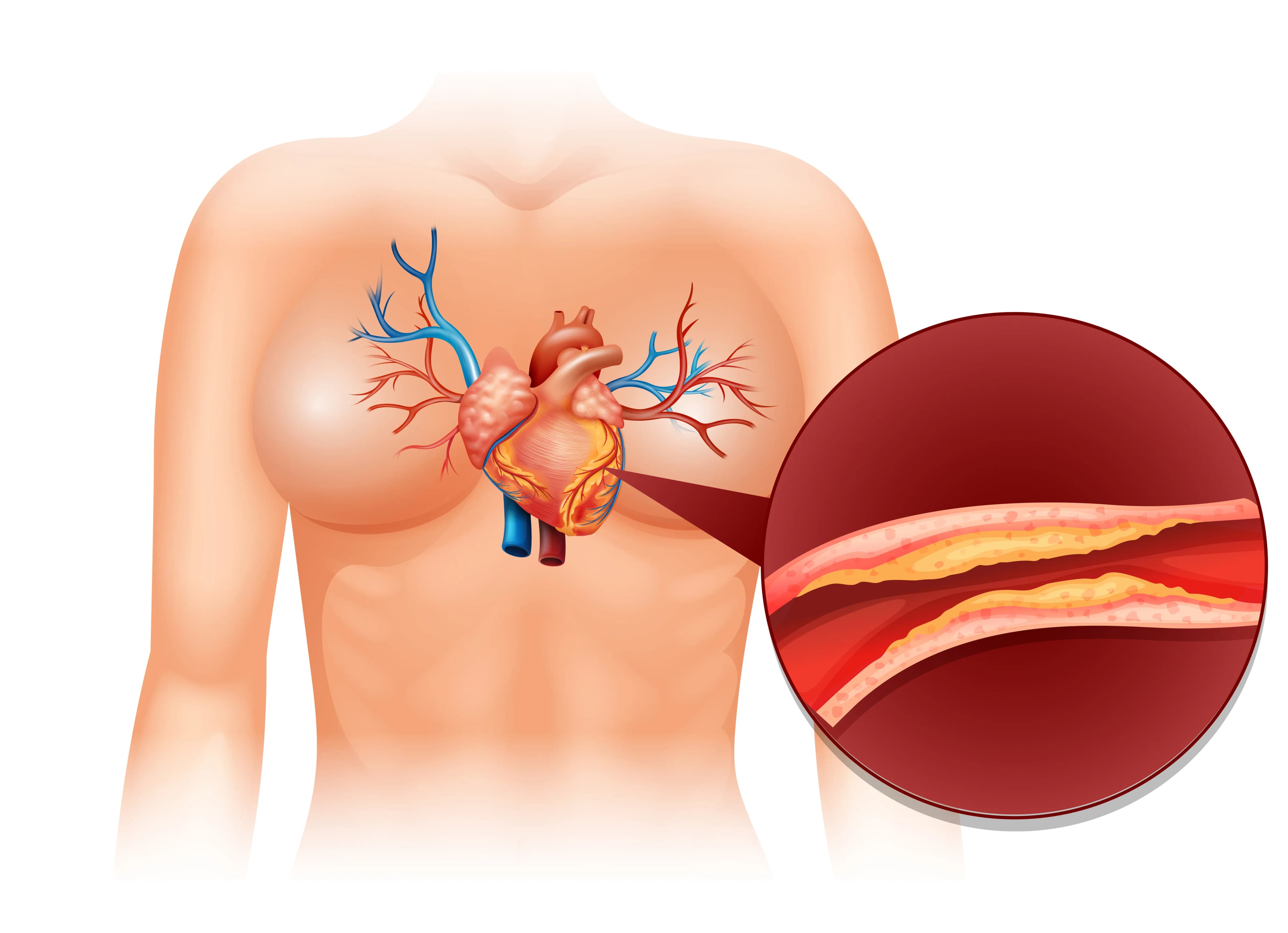
In addition to the kidneys, PKD can result in the growth of cysts in other organs, such as the liver and pancreas, and can occasionally affect different body parts. The disease is also associated with serious complications, including high blood pressure and eventual kidney failure.
The severity of PKD varies from person to person, with some individuals experiencing mild symptoms while others face significant challenges. However, certain complications can be managed or prevented. Lifestyle modifications and appropriate treatments can be crucial in minimizing kidney damage and improving the quality of life for those affected.
Treatment Options
The severity of polycystic kidney disease (PKD) varies significantly from person to person, even among family members. While many individuals with PKD progress to end-stage kidney disease (ESKD) between the ages of 55 and 65, some experience milder forms of the disease and may never require ESKD treatment.
At present, there is no cure for PKD. Early intervention and symptom management are critical to slowing the progression of PKD. Below are the key aspects of treatment and care:
- Managing Kidney Cyst Growth
Medication that helps slow cyst growth and delays kidney function decline is prescribed. However, tolvaptan carries risks of liver injury and may interact with other medicines. Regular monitoring by our nephrologist is essential.
- Controlling High Blood Pressure
Diet and Lifestyle: Adopting a low-sodium, low-fat diet, drinking adequate fluids, and maintaining a moderate protein intake can help manage blood pressure.
Medications: Angiotensin-converting enzyme (ACE) inhibitors and angiotensin II receptor blockers (ARBs) are commonly used to regulate high blood pressure.
Lifestyle Changes: Avoiding smoking, increasing physical activity, and reducing stress are essential for kidney health and slowing disease progression.
- Preserving Kidney Function
Maintaining a healthy weight, drinking plenty of water, and reducing dietary salt can support kidney health and slow cyst growth. Limiting protein intake may also improve kidney response to hydration.
- Pain Management
Mild pain can often be managed with over-the-counter medications. However, nonsteroidal anti-inflammatory drugs (NSAIDs), such as ibuprofen or naproxen, should be avoided due to their potential to harm kidney function.
Severe pain may require procedures like draining cysts or cyst fenestration surgery to reduce discomfort caused by large cysts.
- Managing Infections and Blood in Urine
Prompt treatment of bladder or kidney infections with antibiotics is essential to prevent further kidney damage.
In blood and urine, staying hydrated with water can help prevent clots in the urinary tract.
- Treating Kidney Failure
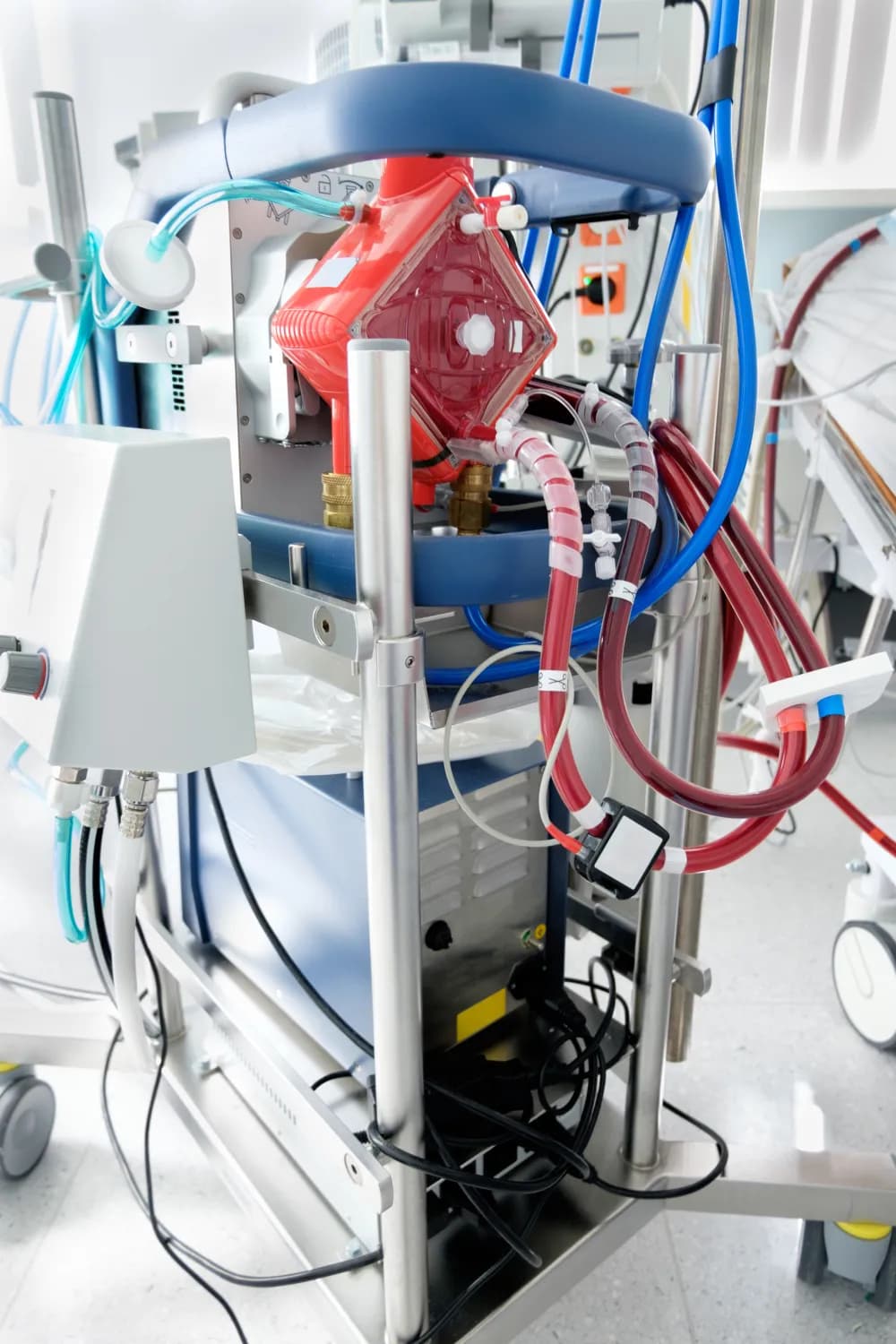
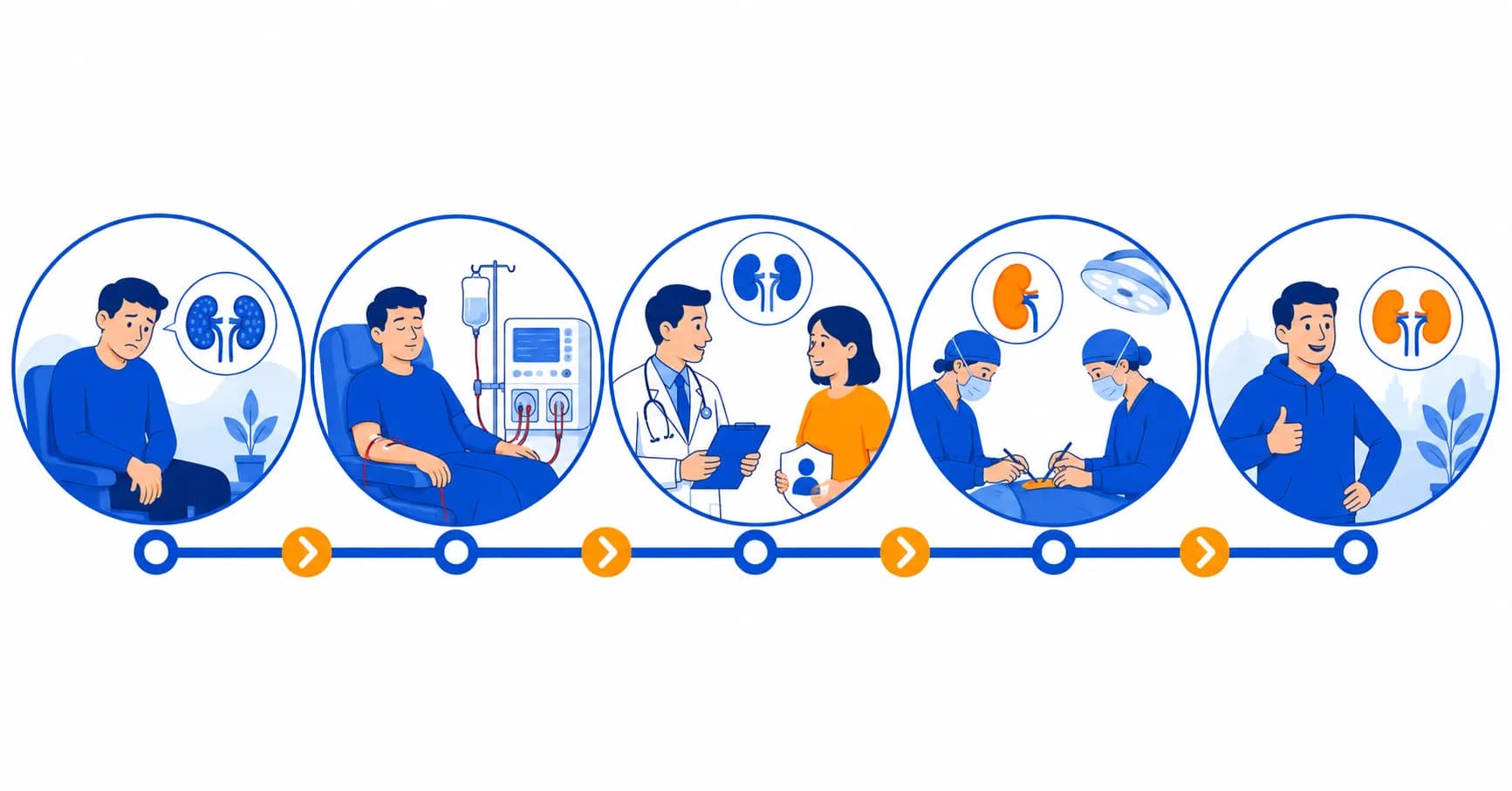
Advanced kidney failure may require dialysis, such as haemodialysis or peritoneal dialysis, to filter waste from the blood.
Kidney Transplant: For those with end-stage kidney disease, a kidney transplant can provide a long-term solution. Pre-emptive transplantation is an option before dialysis becomes necessary.
Treatment Goals
While there is no cure for PKD, the primary goal of treatment is to slow the disease's progression and manage its symptoms. Early diagnosis, lifestyle modifications, and proactive medical care are pivotal in improving quality of life and extending kidney health.
Regular follow-ups with our healthcare providers ensure tailored treatment plans and optimal management of this complex condition.
Speak to Our Experts About Polycystic Kidney Disease
Are you or a loved one affected by Polycystic Kidney Disease (PKD)? Understanding this complex condition and managing its symptoms can be challenging. That’s why our team of experienced nephrologists and healthcare professionals is here to help.
Whether you have questions about treatment options, lifestyle changes, or managing symptoms like high blood pressure, kidney pain, or cyst growth, our experts provide personalized advice and comprehensive care plans tailored to your needs.
Schedule your consultation today! Let our experts guide you in navigating PKD and living a healthier, more informed life.