What is kidney failure?
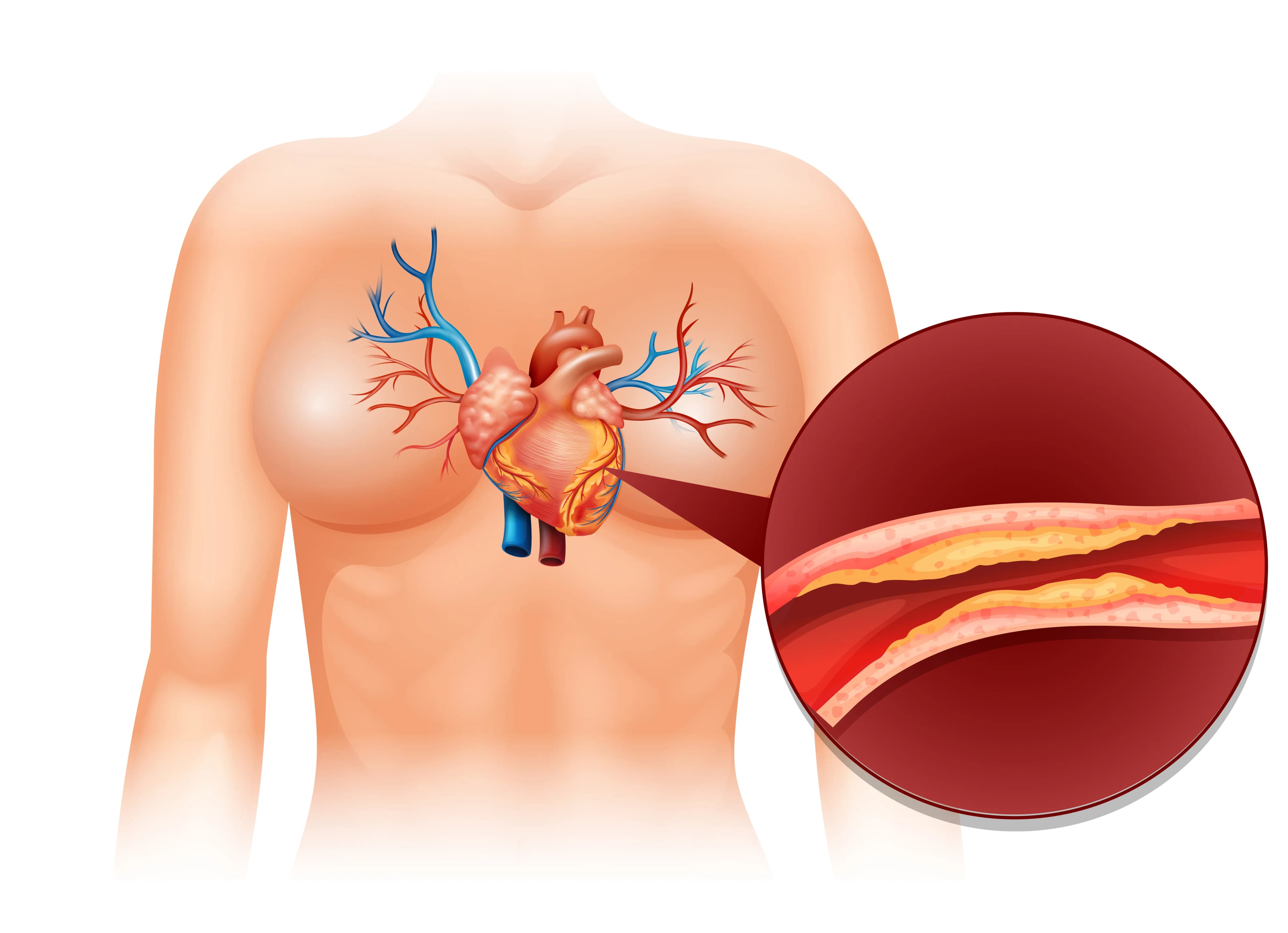
Kidney failure, also known as end-stage kidney disease (ESKD) or end-stage renal disease (ESRD), occurs when one or both kidneys lose their ability to function effectively. This condition may develop rapidly in cases of acute kidney failure or progress gradually as a chronic condition over time. Kidney failure represents the most advanced stage of chronic kidney disease (CKD), precisely stage 5, where kidney function drops below 15% of normal. Without treatment such as dialysis or a kidney transplant, kidney failure is life-threatening, and survival is limited to a few days or weeks. At this stage, the kidneys can no longer filter waste, toxins, or excess water from the blood, leading to a dangerous accumulation of these substances in the body.
Treatment options
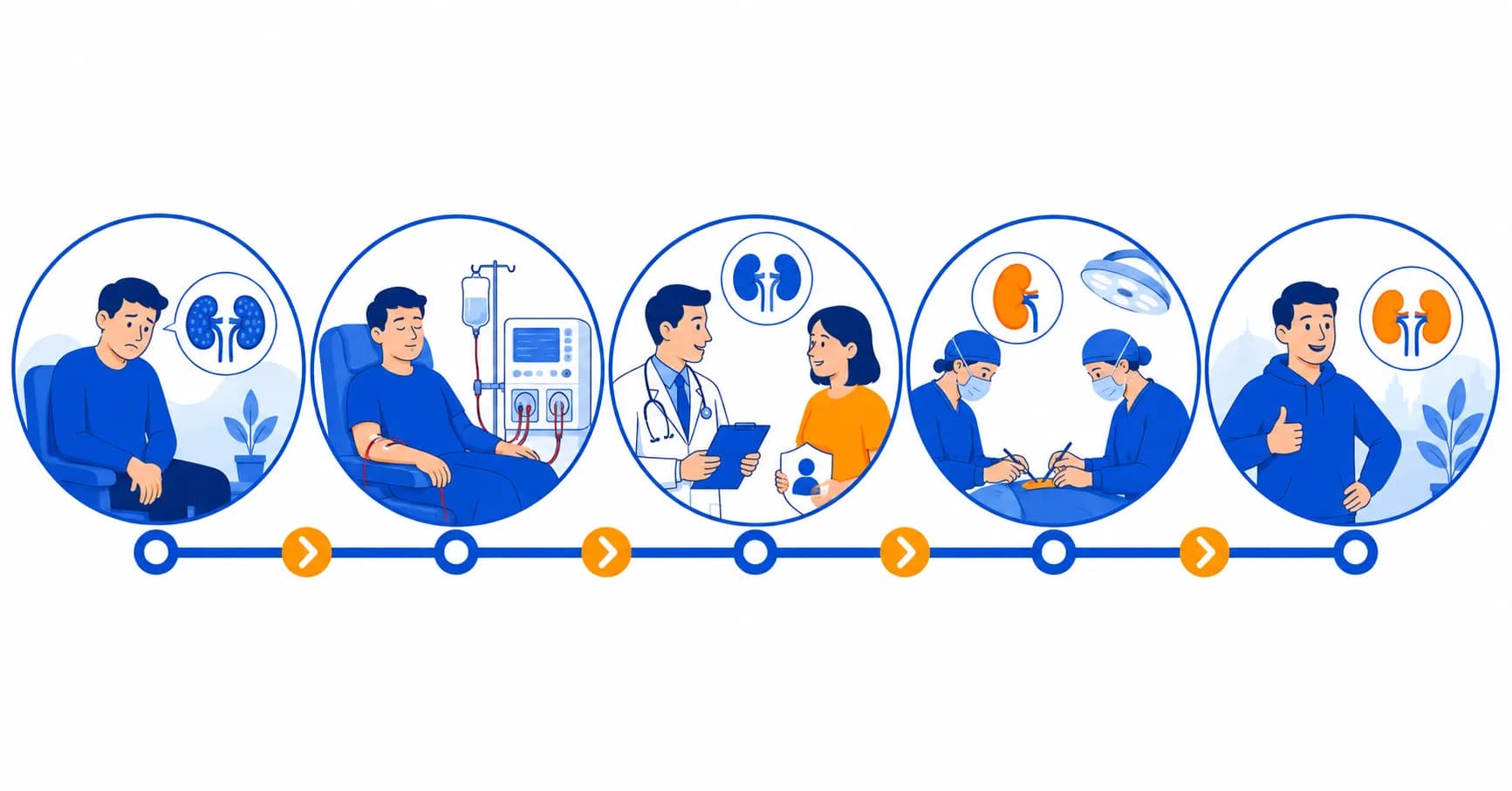
Treatment for kidney failure depends on the underlying cause and the severity of the condition. For chronic kidney disease, managing the root cause can slow its progression and help maintain kidney function for as long as possible. Typical measures include regular blood tests, blood pressure monitoring, and medications. However, when kidney failure occurs, more advanced treatments become necessary to sustain life.
Dialysis
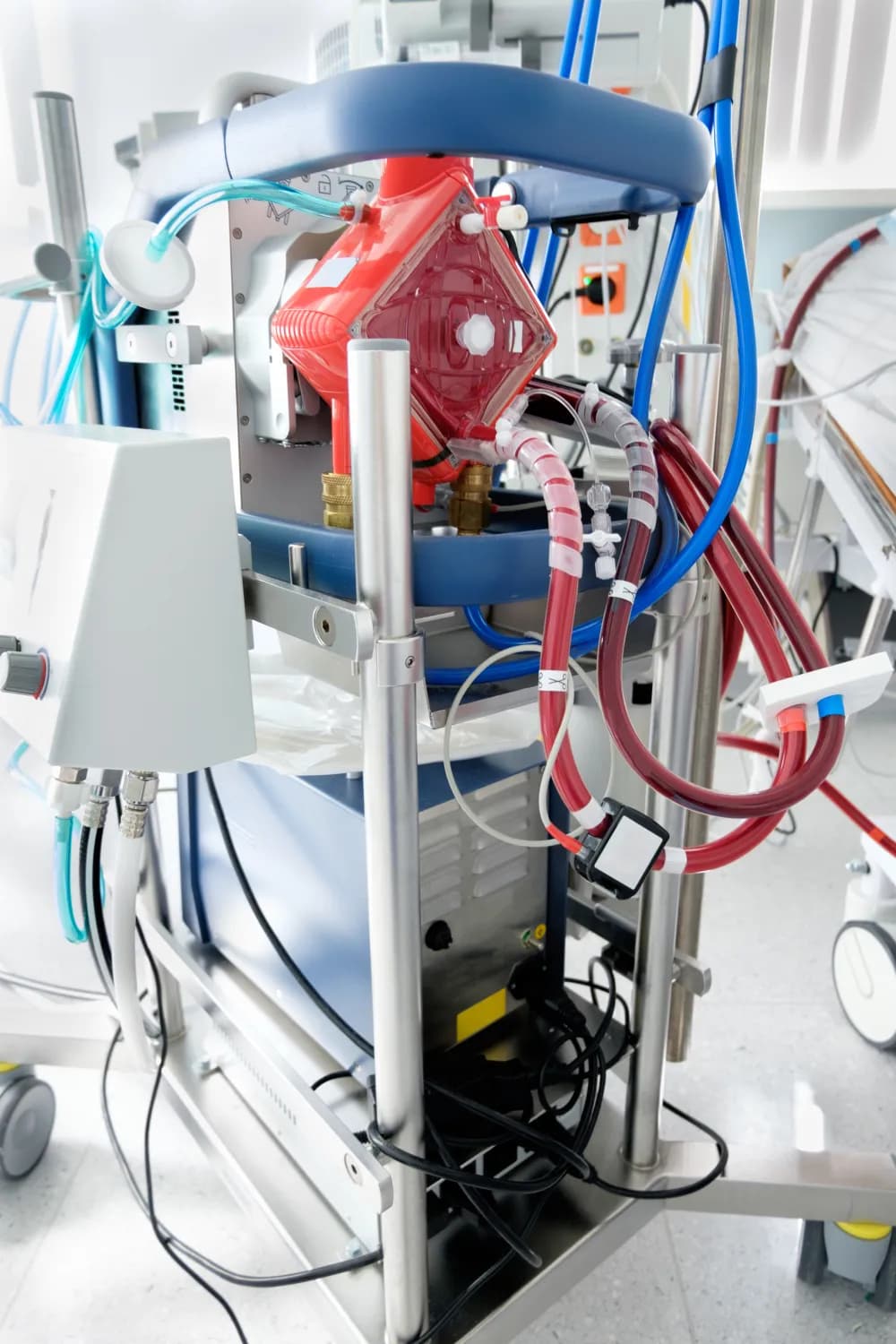
Dialysis is a procedure that mimics kidney function by filtering and purifying the blood. There are two primary types:
- Haemodialysis: A machine that filters your blood, typically done three to four times weekly in a hospital or clinic.
- Peritoneal Dialysis: A solution introduced into the abdominal cavity absorbs waste and excess fluids, which are drained. This method can often be performed at home.
While dialysis cannot cure kidney failure, it can effectively extend life when attended regularly. A low-potassium, low-salt diet often complements dialysis treatment.
Kidney Transplant
A kidney transplant involves surgically placing a healthy kidney from a donor into the patient. The new kidney may come from a deceased or living donor, which can fully restore kidney function, eliminating the need for dialysis. However, this option is not suitable for everyone and often requires a long waiting period unless a living donor is available.
Post-transplant, immunosuppressant drugs must be taken to prevent organ rejection, though these medications may have significant side effects.
Lifestyle Modifications
Healthy lifestyle habits can slow kidney failure progression, particularly in the early stages. Recommendations include:
- Dietary Adjustments:
- Limit sodium and potassium intake to less than 2,000 mg daily.
- Keep phosphorus intake below 1,000 mg.
- Follow protein consumption guidelines based on disease stage; reduce protein intake in earlier stages but possibly increase it in end-stage failure, as a doctor advises.
- Reducing Alcohol:
Alcohol stresses the kidneys and can exacerbate kidney failure. It also contains high phosphorus levels, which can be dangerous for those with compromised kidney function. Limiting or eliminating alcohol intake is often recommended.
Managing Diabetes and Kidney Failure
Diabetes is a leading cause of kidney failure, with about one-third of adults with diabetes developing kidney disease. Prolonged high blood sugar levels can damage the kidneys, leading to a condition called diabetic nephropathy. While this damage is irreversible, managing diabetes effectively can help prevent or limit further progression. Key strategies include:
Regular screenings for kidney health are critical for people with diabetes, as the risk of kidney damage increases over time.
By addressing lifestyle factors, utilizing advanced treatments like dialysis or transplantation, and effectively managing underlying conditions like diabetes, it is possible to improve the quality of life and extend survival for those with kidney failure.
Speak to our experts about kidney failure.
If you or a loved one is dealing with kidney failure, expert guidance and care are crucial. At Apex Hospitals, our specialized nephrology team is here to help. We provide comprehensive care for kidney failure, including advanced treatments like dialysis, kidney transplantation, and personalized management plans to support your health and well-being.
Don't wait to get the care you need. Speak to our experts today and take the first step toward better kidney health—Apex Hospitals—your partner in overcoming kidney failure.