What is Dialysis?
Dialysis is a treatment used when the kidneys lose their ability to adequately filter waste products and eliminate excess fluid from the body. It involves a process of redirecting blood to a machine for cleansing. Under normal circumstances, the kidneys filter blood, remove harmful waste products, and regulate fluid balance. These waste products are then converted into urine and expelled from the body. However, in cases where the kidneys are no longer functioning effectively, dialysis becomes necessary.
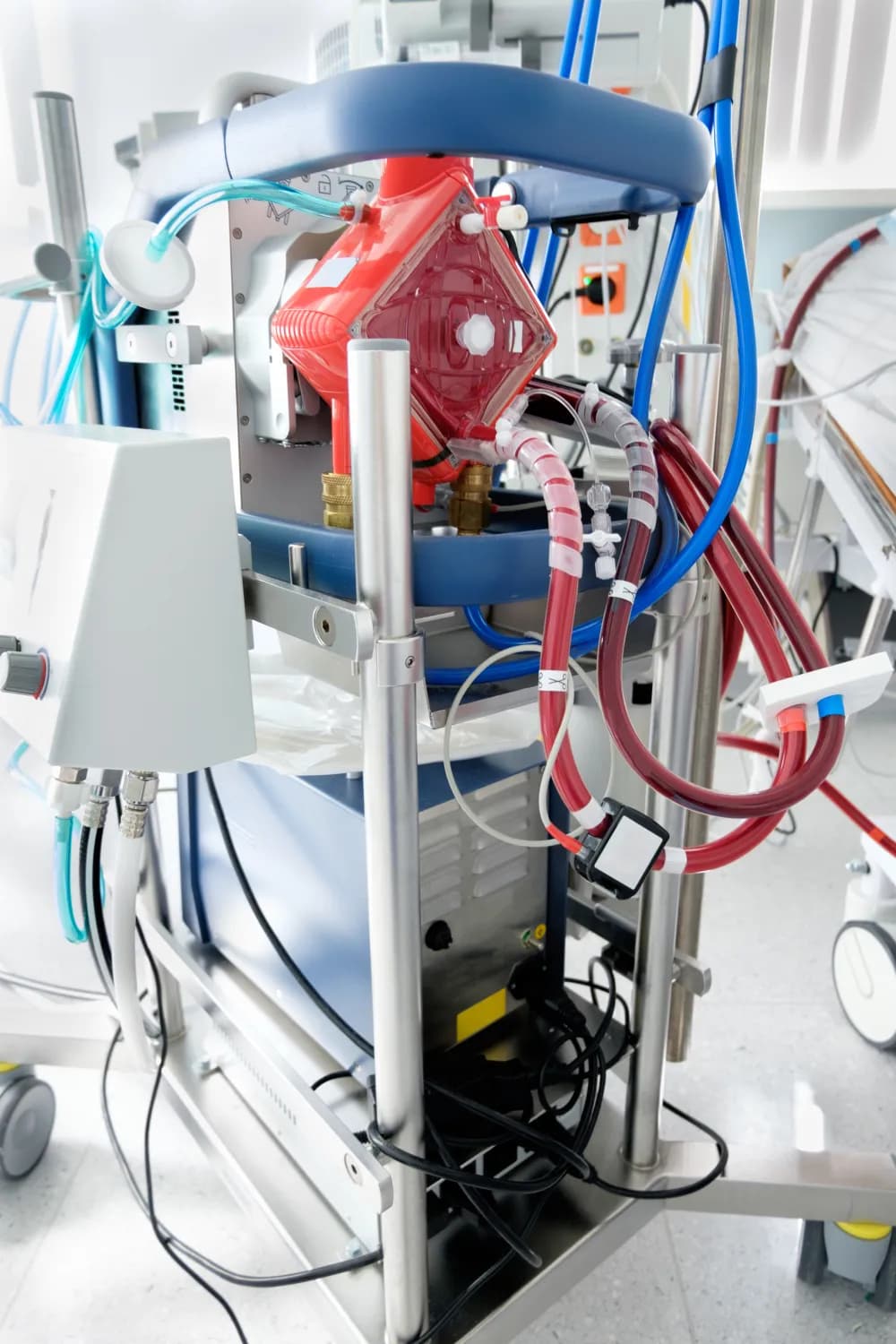
During dialysis, blood is circulated outside the body and passed through a machine that filters out the waste products and removes excess fluid. The cleansed blood is then returned to the body. Dialysis helps maintain a proper balance of electrolytes and fluid in the body, preventing the buildup of harmful substances that can adversely affect overall health. It serves as a temporary solution while awaiting a kidney transplant or as a long-term treatment option for individuals with chronic kidney disease.
Who needs Dialysis?
When your kidneys cannot function properly, such as advanced chronic kidney disease or kidney failure, they may struggle to effectively cleanse the blood. As a result, waste products and excess fluid can accumulate to dangerous levels in your body. If left untreated, this can lead to a range of unpleasant symptoms and, in severe cases, be life-threatening.
Dialysis is crucial in preventing such complications by removing unwanted substances and excess fluid from the blood before they reach hazardous levels. By undergoing regular dialysis treatments, you can effectively manage the buildup of harmful substances and fluid in your body, alleviating symptoms and reducing the risk of complications.
Types of dialysis
- Haemodialysis involves using a machine to filter the blood outside of the body. A vascular access point is created during the procedure, usually as a surgically placed tube or fistula. Blood is then directed through this access point into a dialysis machine, which cleanses waste products and excess fluids. The purified blood is then returned to the body. Haemodialysis is typically performed at a dialysis centre or hospital, and each session lasts several hours. Most individuals require multiple sessions per week.
- Peritoneal Dialysis involves using the body's peritoneal membrane as a natural filter. A catheter is surgically inserted into the abdomen, and a sterile dialysis solution is infused into the peritoneal cavity. The dialysis solution remains in the abdomen for a period, during which waste products and excess fluids are drawn out of the blood and into the solution through the peritoneal membrane. The used solution is then drained from the abdomen and replaced with a fresh solution. Peritoneal dialysis can be performed at home, allowing for greater flexibility and independence. It can be done manually several times a day or by using a cycler that automatically automates the process overnight.
How long will you need dialysis?
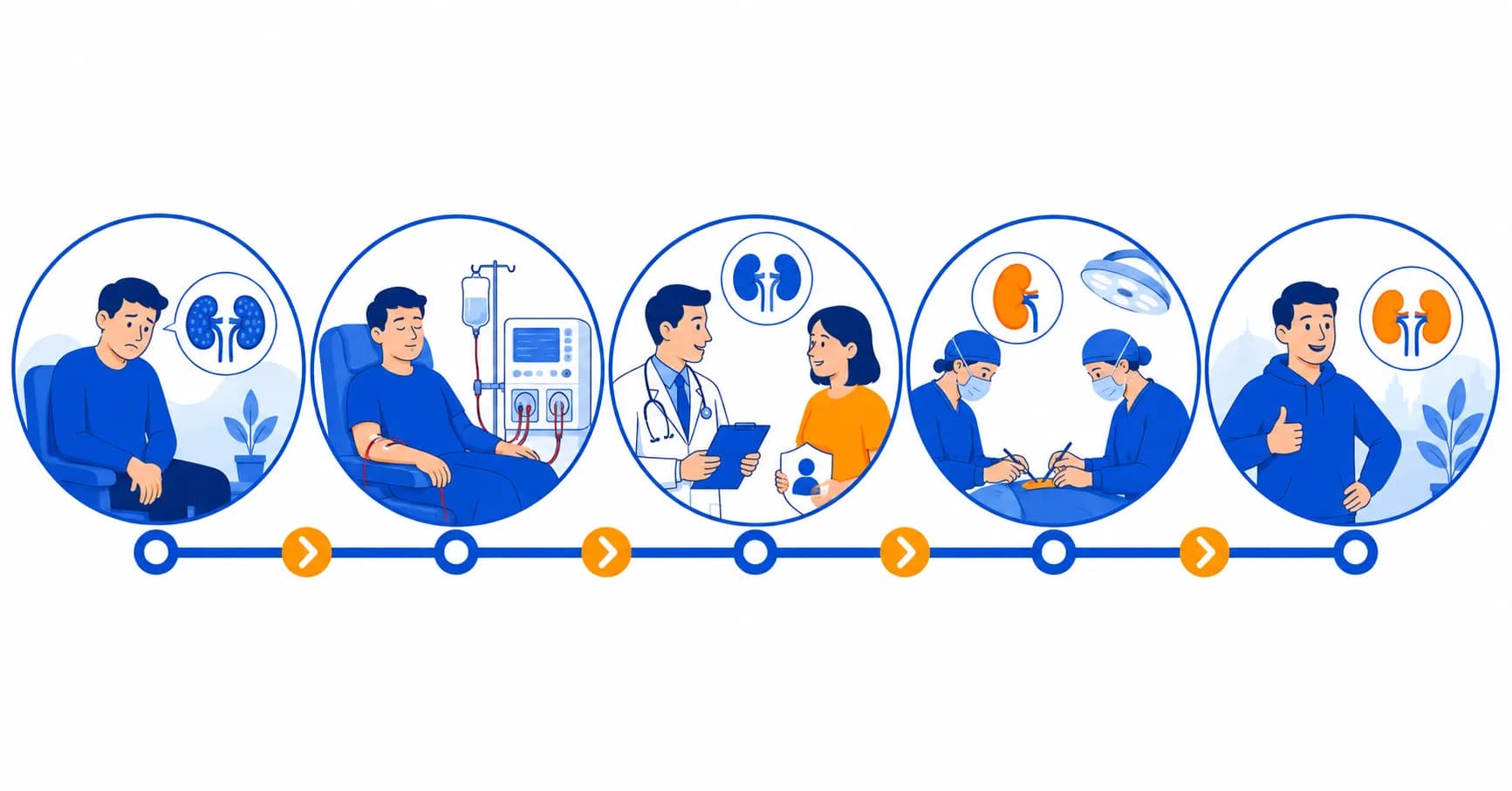
The need for dialysis can vary depending on the individual circumstances. Kidney failure may be temporary in certain situations, and dialysis can be discontinued once the kidneys regain their function. However, a kidney transplant is the preferred long-term solution for many individuals with kidney failure. Since a suitable donor kidney may not be immediately available, dialysis may be necessary until a compatible kidney becomes accessible for transplantation.
In cases where a kidney transplant is not feasible, such as medical complications or other reasons that make surgery unviable, dialysis may be required as a lifelong treatment option to sustain kidney function. Your healthcare team at Apex Hospitals will assess your situation and guide you on the most appropriate course of treatment.
Side effects of dialysis
Both haemodialysis and peritoneal dialysis can have associated side effects. Haemodialysis may cause itchy skin and muscle cramps. These symptoms can be managed with appropriate treatments and adjustments to the dialysis procedure. On the other hand, peritoneal dialysis carries a risk of developing peritonitis, an abdominal membrane infection.
It is essential to follow proper hygiene practices and monitor for any signs of infection to minimize this risk. Additionally, both types of dialysis treatments can sometimes leave patients feeling exhausted. It is essential to discuss any concerns or side effects with your healthcare team at Apex Hospitals, as they can provide appropriate guidance and support to improve your dialysis experience.
Life on dialysis
Many individuals undergoing dialysis can maintain active lifestyles, including work, family life, and travel. When planning for travel, your healthcare provider can assist in arranging dialysis sessions at a centre in your destination. If you are performing self-dialysis, you can bring dialysis solution bags and, if necessary, a portable home dialysis machine. Individuals using peritoneal dialysis may need to limit specific exercises or physical activities when filling the abdomen with dialysis solution. However, in general, exercise is typically permissible for individuals on dialysis. It is advisable to consult with your healthcare provider regarding participation in specific activities or sports to ensure they are suitable for your condition.
At the dialysis center in Jaipur, we prioritize personalized care for all our dialysis patients. Our highly skilled professionals will ensure you receive the individualized attention and support you need throughout your dialysis journey.