What is chronic kidney disease?
Chronic kidney disease (CKD), also referred to as chronic renal disease, occurs when the kidneys are damaged and unable to function effectively. These vital organs act as the body’s natural filters, removing wastes, toxins, and excess water from the blood. Additionally, they play a crucial role in maintaining bone health and supporting red blood cell production. When kidney function declines, waste products accumulate in the bloodstream, leading to various health issues.
The term "chronic" reflects the gradual progression of kidney dysfunction over time. CKD can eventually lead to kidney failure, also known as end-stage kidney disease (ESKD). While not everyone with CKD reaches this advanced stage, untreated CKD often worsens. Although there is no cure, various treatments, including dialysis and kidney transplantation, can manage end-stage kidney disease.
CKD progresses slowly, and in some cases, one kidney may compensate for the other’s dysfunction, continuing to perform necessary functions. However, if the condition deteriorates, it can advance to kidney failure. A unique challenge with CKD is its silent nature—symptoms typically do not appear in the early stages. Significant and irreversible damage may have already occurred by the time noticeable signs emerge. Early detection and proactive management are essential to slow kidney damage and preserve overall health.
Treatment
While certain types of kidney disease can be treated, CKD often has no cure, requiring ongoing management to control symptoms, reduce complications, and slow disease progression. In severe cases, treatment for end-stage kidney disease may become necessary.
Managing the Cause
Treatment begins by addressing the underlying cause of CKD, such as high blood pressure or diabetes. While controlling these conditions can help, kidney damage may still progress. Effective management requires regular monitoring and personalized treatment strategies.
Treating Complications
- Blood Pressure Control: Medications like ACE inhibitors or angiotensin II receptor blockers help manage high blood pressure and protect kidney function. Frequent blood tests may be required to monitor kidney response and electrolyte levels.
- Managing Fluid Retention: Diuretics can reduce leg swelling and control fluid balance, easing high blood pressure.
- Treating Anemia: Supplements of erythropoietin and iron can boost red blood cell production, relieving fatigue and weakness.
- Cholesterol Management: Statins may be prescribed to lower cholesterol levels, reducing the risk of heart disease.
- Bone Health: Calcium and vitamin D supplements and phosphate binders help prevent bone weakness and minimize damage from calcium buildup in blood vessels.
- Dietary Adjustments: A kidney-friendly diet with reduced protein, sodium, and potassium can help minimize waste products in the blood, easing the workload on the kidneys.
Treatment for End-Stage Kidney Disease
When the kidneys fail to function adequately, options include:
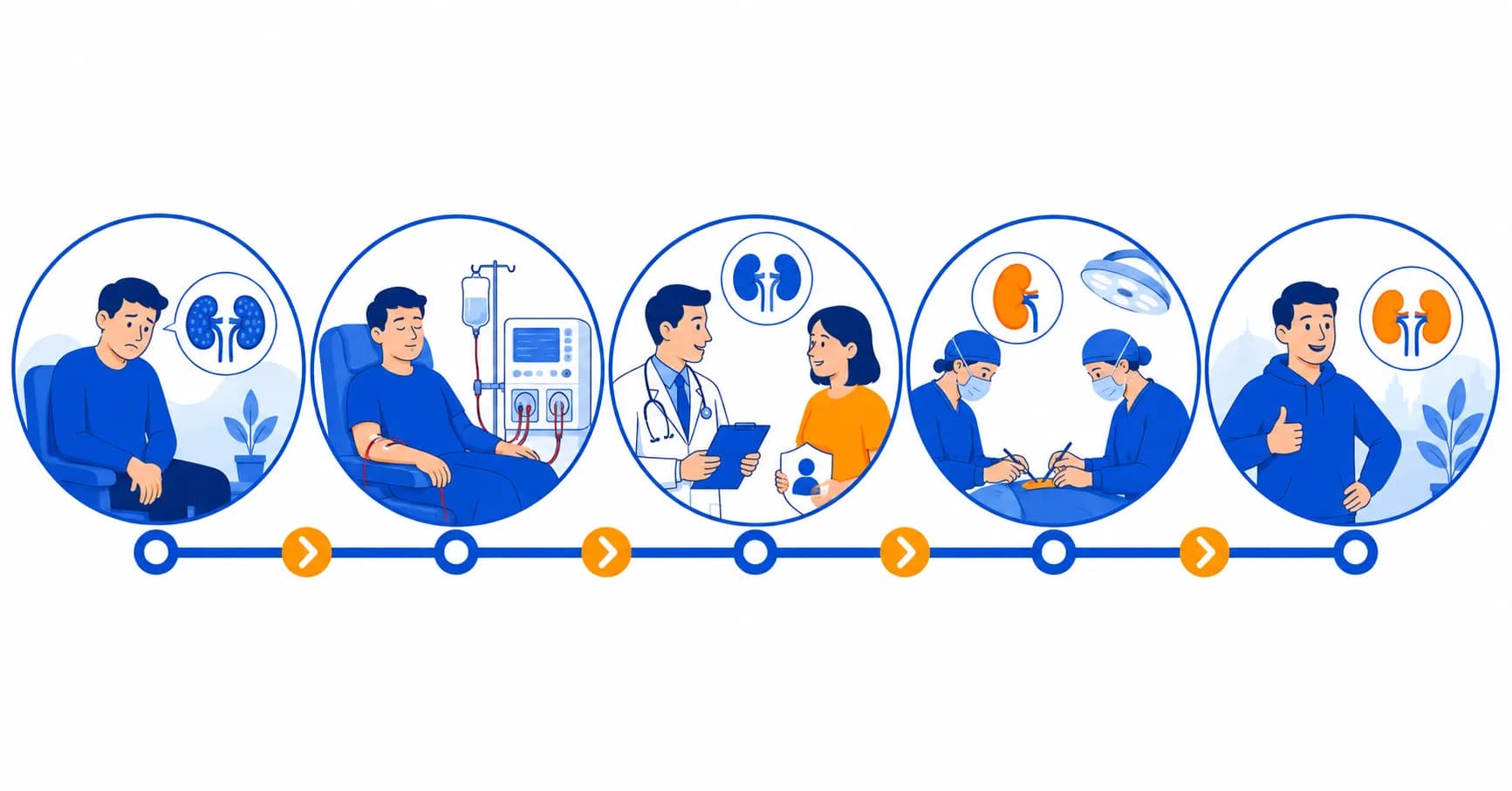
- Dialysis:
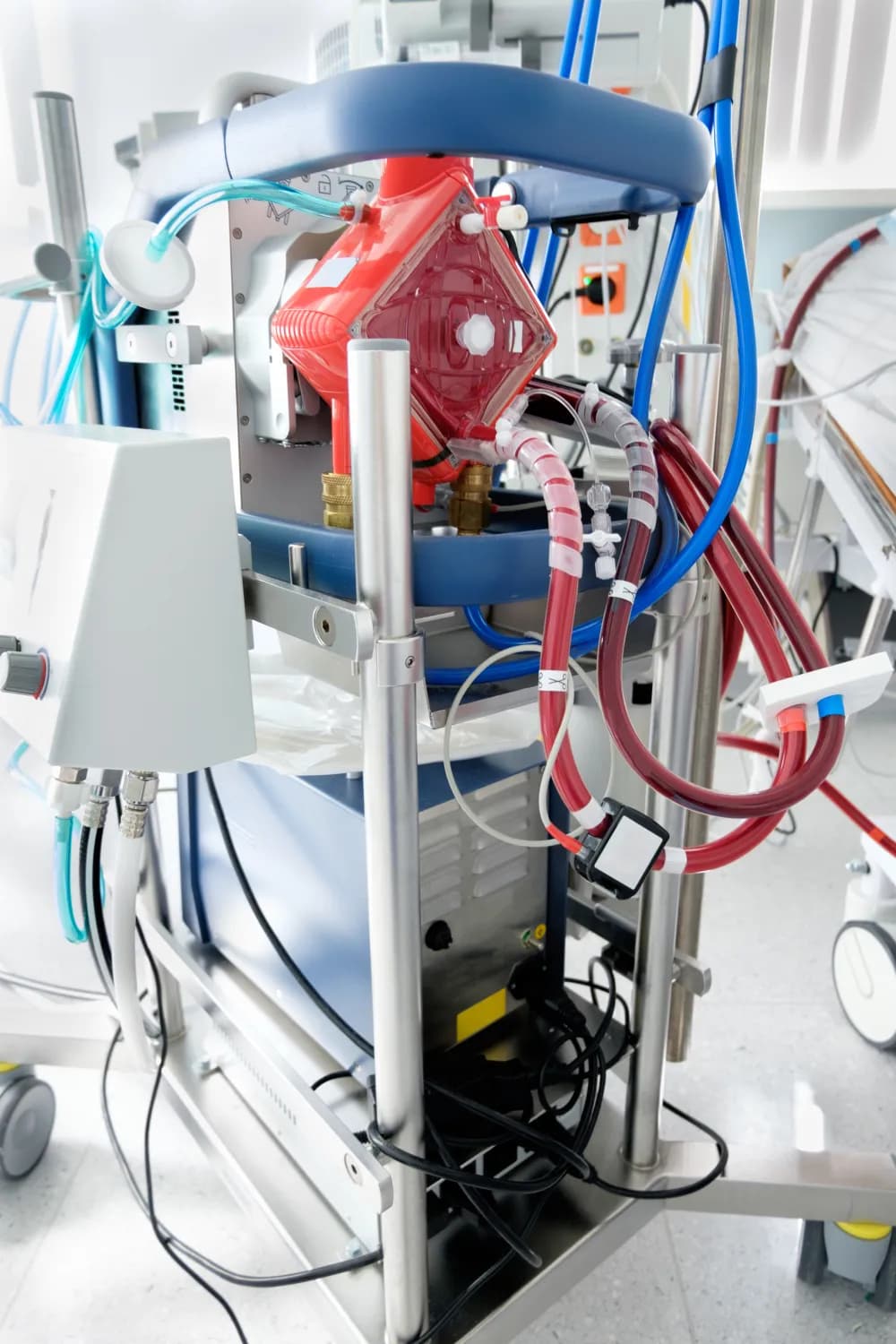
- Haemodialysis: Blood is filtered through a machine to remove waste and excess fluids, typically performed three times a week for several hours per session.
- Peritoneal Dialysis: A dialysis solution is introduced into the abdomen via a catheter to absorb waste. This process can be performed manually (CAPD) or automatically overnight (CCPD).
- Kidney Transplant: Transplantation involves surgically replacing a damaged kidney with a healthy one from a living or deceased donor. While living donors are often family or friends, deceased donor kidneys are matched carefully to reduce complications. Following a transplant, lifelong medication is required to prevent organ rejection.
- Conservative Management: For individuals opting out of dialysis or transplantation, care focuses on symptom management, advanced care planning, and palliative measures to maintain comfort.
Key Steps for CKD Management
To slow disease progression and maintain kidney health:
- Manage blood pressure and blood sugar levels.
- Avoid medications harmful to kidney function, such as certain painkillers.
- Follow a kidney-friendly diet and maintain a healthy weight.
- Stay physically active and avoid smoking.
Chronic kidney disease requires proactive, individualized care to address underlying causes, manage complications, and maintain the best possible quality of life. Regular monitoring and open communication with healthcare providers are essential to achieving these goals.
Speak to our experts about chronic kidney disease.
If you or someone you love is managing chronic kidney disease (CKD), Apex Hospitals is here to support you every step of the way. Our team of expert nephrologists and healthcare professionals specializes in diagnosing, treating, and managing CKD.
At Apex Hospitals, we understand the challenges of living with kidney disease and provide personalized care plans to help slow disease progression, manage complications, and improve quality of life. Whether you're seeking guidance on treatment options, dialysis support, or kidney transplantation, our specialists are equipped with the latest medical advancements to ensure you receive the best possible care.
Don't wait to take control of your kidney health. Speak to our experts at Apex Hospitals today, and let us partner with you on your journey to better health.