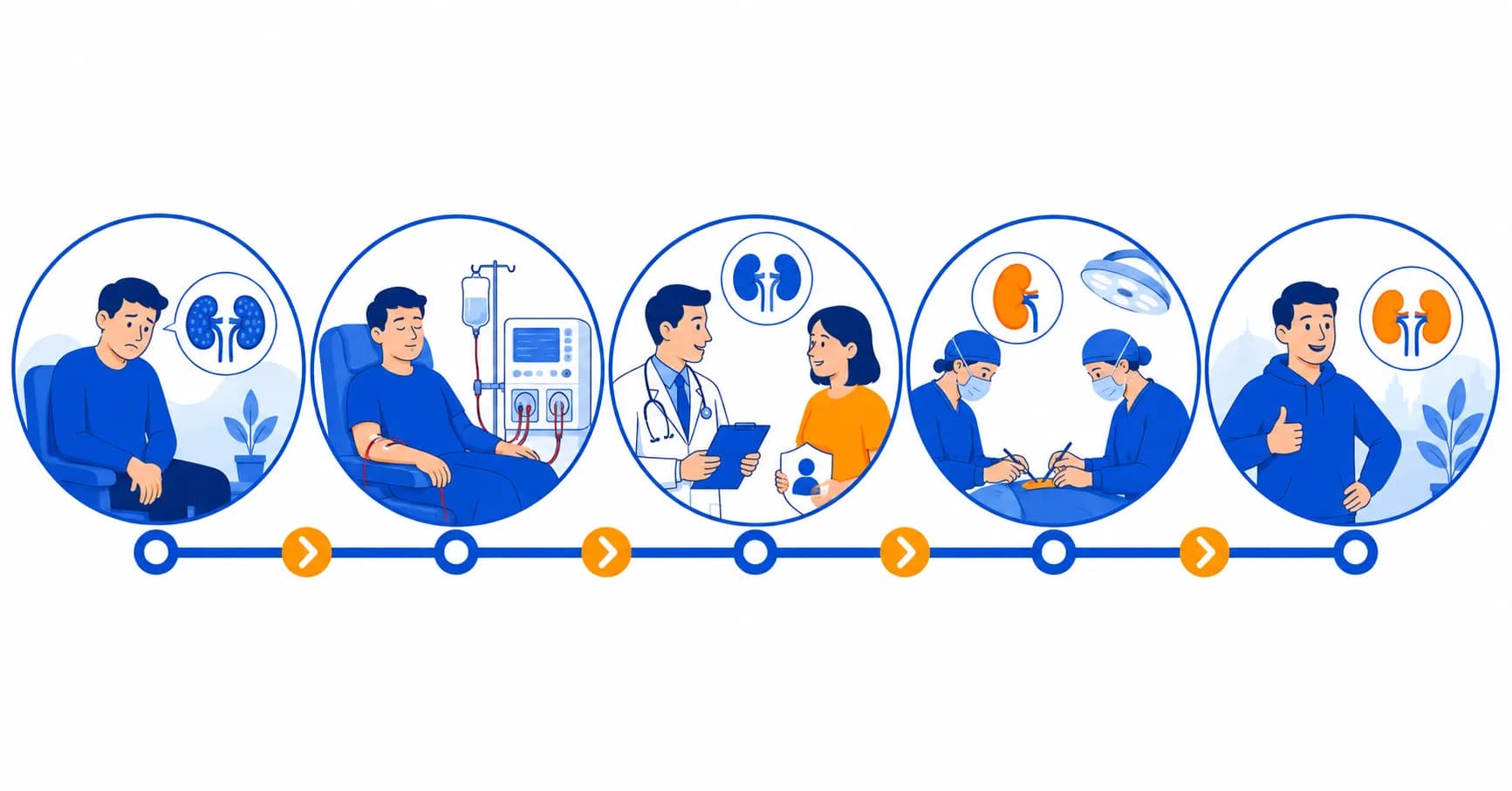
A live donor kidney transplant is a life-saving treatment for patients with end-stage renal disease (ESRD) in which a healthy kidney is donated by a living person and implanted into the recipient. At Apex Hospital in Malviya Nagar, Jaipur, our renal transplant program combines experienced nephrologists, transplant surgeons and dedicated transplant coordinators to provide complete end-to-end care — from evaluation and dialysis to surgery and lifelong follow-up. With over 400+ successful kidney transplants and an institutional success rate near 95%, Apex Hospital is one of the trusted centers for living donor kidney transplant Jaipur.
This page provides a comprehensive, patient-friendly guide to living donor kidney transplantation — why it’s done, who is eligible, how donors are evaluated, what the transplant surgery and recovery involve, expected outcomes, costs in Jaipur, and alternatives such as dialysis or deceased donor transplants. We also explain donor compatibility testing, the types of donor nephrectomy (including laparoscopic donor nephrectomy), legal and ethical aspects, and practical steps to book a consultation with our kidney transplant specialist Jaipur team.
A live donor kidney transplant involves surgically removing a healthy kidney from a living person (the donor) and transplanting it into someone whose kidneys are failing (the recipient). Because humans can function well with a single kidney, living donation is a safe and effective option for many donors. For recipients, a transplant from a living donor often offers improved short- and long-term outcomes compared with dialysis or deceased-donor transplantation — including faster availability of a transplant, lower rates of delayed graft function, and higher graft survival.
Living donor transplants are typically planned — allowing comprehensive medical and psychological evaluation of both donor and recipient, optimization of immunological compatibility, and scheduling at a mutually suitable time. At Apex Hospital in Jaipur, the multidisciplinary team coordinates preoperative testing, counselling, surgical planning and post-transplant monitoring to ensure donor safety and recipient success. Living donor transplantation also enables advanced matching strategies, including paired kidney exchange programs when direct donor–recipient incompatibility exists.
Key advantages of living donor kidney transplant include reduced waiting time compared to the deceased donor waitlist, typically shorter cold ischemia time, and often superior graft longevity. These benefits translate into better patient quality of life, reduced need for dialysis, and lower overall long-term healthcare costs for patients from Jaipur and surrounding regions who choose Apex Hospital for their transplant care.
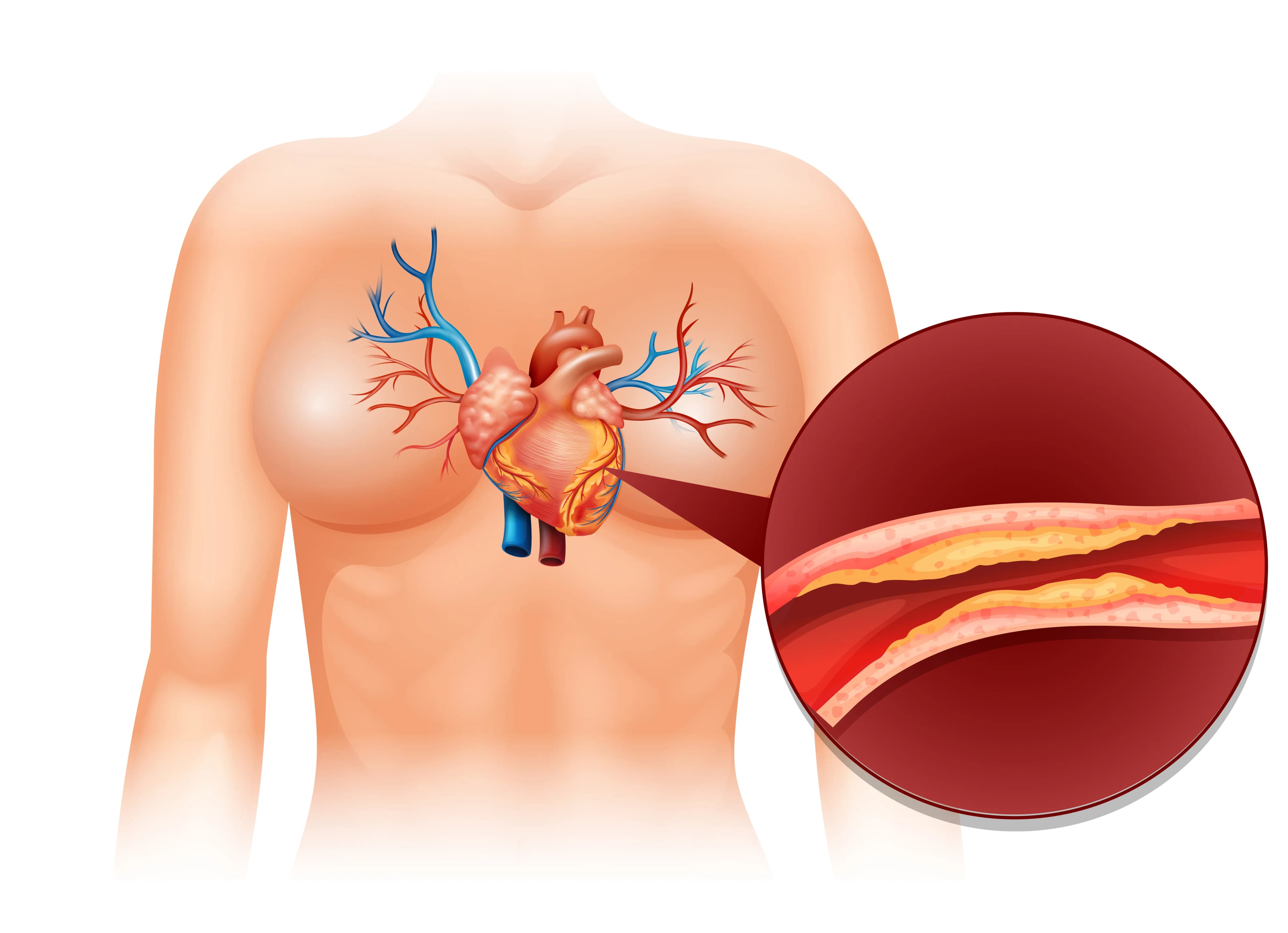
The primary indication for a living donor kidney transplant is end-stage renal disease (ESRD) — the final stage of chronic kidney disease (CKD) when kidneys fail to perform essential functions such as filtering waste, regulating electrolytes and managing fluid balance. Causes that progress to ESRD and necessitate transplantation include chronic conditions that irreversibly damage kidney tissue, such as:
Not every patient with CKD needs a transplant immediately. Typical indications for considering kidney transplantation include:
Globally, chronic kidney disease affects approximately 10% of adults, contributing to a growing number of patients who need renal replacement therapy. In India, prevalence estimates vary but many regions report CKD rates near 8–10% of the adult population, with an increasing burden in urban centers such as Jaipur. For patients in Malviya Nagar and across Jaipur, transplantation at Apex Hospital offers a durable solution that can restore independence from dialysis and substantially improve life expectancy and quality of life.
Donor safety is the top priority in living donation. Not all willing family members, friends or altruistic volunteers will be eligible to donate; a careful multidisciplinary evaluation ensures donors are medically, surgically and psychologically fit to proceed. At Apex Hospital, the living donor evaluation includes medical screening, laboratory testing, imaging studies, psychological assessment and independent donor counselling to ensure fully informed consent.
Typical donor eligibility criteria include:
Donor testing includes:
When direct compatibility is an issue (ABO or positive crossmatch), options include desensitization protocols or enrolling in a paired kidney exchange program. Apex Hospital’s experienced transplant coordination team in Malviya Nagar, Jaipur facilitates advanced compatibility testing and works with national exchange registries where available to maximize transplant opportunities for candidates.
Donor nephrectomy is the surgical removal of a donor kidney. At Apex Hospital, we perform donor nephrectomy using minimally invasive techniques whenever appropriate — primarily laparoscopic donor nephrectomy or, in selected cases, robotic-assisted nephrectomy. Minimally invasive approaches reduce postoperative pain, shorten hospital stay and accelerate return to daily activities while maintaining safe donor outcomes. Open donor nephrectomy may be necessary in complex anatomical situations or when laparoscopic approach is contraindicated.
The laparoscopic donor nephrectomy involves small incisions through which a camera and instruments are inserted. The kidney is mobilized and removed via a slightly enlarged incision or a protected extraction bag to preserve tissue integrity. Robotic techniques offer similar minimally invasive benefits with enhanced precision; however, availability and surgeon expertise determine the approach chosen.
| Donor nephrectomy type | Benefits | Recovery time |
|---|---|---|
| Open donor nephrectomy | Direct visualization; useful for complex anatomy | 4–6 weeks for full recovery |
| Laparoscopic donor nephrectomy | Less pain, smaller scars, shorter hospital stay | 2–4 weeks to return to routine activities |
| Robotic-assisted donor nephrectomy | High precision, similar minimally invasive benefits | 2–4 weeks; depends on availability |
Donor safety protocols at Apex Hospital include advanced intraoperative monitoring, dedicated transplant ICU access, and strict infection-control protocols. Our multidisciplinary teams follow NABH-standard protocols and provide detailed perioperative counselling and follow-up to ensure donors' well-being long after discharge.
The recipient operation typically takes 3–4 hours and is performed under general anesthesia. The diseased native kidneys are usually left in place (unless there are specific indications to remove them). The transplanted kidney is placed in the lower abdomen (iliac fossa) and connected to the recipient’s blood vessels and urinary bladder. Precise vascular anastomoses restore blood flow to the graft; a ureteroneocystostomy connects the donor ureter to the recipient bladder for urine drainage.
Important intraoperative and perioperative considerations include:
The immunosuppression regimen is individualized based on immunologic risk and comorbidities. It commonly includes:
At Apex Hospital, comprehensive perioperative protocols and a dedicated transplant ICU ensure close monitoring during the immediate post-op period. Recipients typically stay in hospital for 7–10 days, depending on recovery, urine output, graft function and absence of complications. Early mobilization, infection surveillance and close renal function monitoring are standard components of our post-transplant care pathway.
Recovery after a living donor kidney transplant is a gradual process. While many recipients experience immediate improvement in energy and well-being as dialysis is discontinued, meticulous follow-up is essential to protect graft function and manage immunosuppression side effects. Typical recovery milestones and follow-up components include:
Outcomes for living donor kidney transplants are excellent. Worldwide data indicate one-year graft survival rates commonly exceed 95% and five-year survival often ranges from 80–90%, depending on recipient and donor factors. At Apex Hospital, our program reports a success rate of approximately 95% based on over 400 transplants, reflecting our multidisciplinary expertise, infection control, and post-transplant monitoring systems.
Long-term graft survival depends on multiple factors, including:
Apex Hospital’s dedicated transplant coordinators in Jaipur provide structured patient education, medication counseling, and telephonic/WhatsApp support at 9829030011 to assist in medication adherence and early recognition of complications.
Choosing renal replacement therapy is a major decision influenced by medical suitability, availability of donors, waitlist status and personal preferences. The main alternatives are dialysis (hemodialysis or peritoneal dialysis), deceased donor transplant, and living donor transplant. Each option has pros and cons; the tables below summarize essential differences to help patients from Jaipur and surrounding areas make informed choices.
| Option | Advantages | Limitations |
|---|---|---|
| Hemodialysis | Widely available; no surgery required | Time-consuming, reduced quality of life, risk of vascular access problems and infections |
| Peritoneal dialysis | Home-based, greater lifestyle flexibility for some patients | Not suitable for all patients; infection risk (peritonitis) |
| Deceased donor transplant | No living donor required; good graft outcomes | Long waiting time, variable donor quality, potential for longer cold ischemia |
| Living donor transplant | Shorter wait, superior early graft function, planned surgery | Requires a willing, compatible living donor; ethical and legal considerations |
For many patients in Jaipur, a living donor kidney transplant at a center like Apex Hospital provides the best chance for a timely and durable return to a normal life. Our team discusses all options transparently and supports patients in weighing risks, benefits and logistics.
Cost is an important consideration. In Jaipur, the cost of kidney transplant varies by center, complexity of surgery, length of hospital stay, need for pre- or post-transplant procedures (e.g., plasmapheresis, desensitization), and choice of immunosuppressive medications. At Apex Hospital in Malviya Nagar, transparent pricing and customizable packages are available to suit different patient needs.
Typical cost components include:
Indicative cost range in Jaipur for a straightforward living donor transplant often starts from approximately INR 3.5 lakh and can go up depending on complexity. Many patients’ final costs fall in a wider band depending on comorbidities and additional procedures. Apex Hospital provides affordable kidney transplant Jaipur options with package estimates, transparent billing and assistance with insurance claims. We also assist with financing options and liaise with insurers to determine kidney transplant insurance coverage where applicable.
To get a personalized estimate for kidney transplant cost in Jaipur, patients can schedule a free consultation with the Apex transplant team via phone or WhatsApp at 9829030011 or book online at Apex Hospital appointment booking.
Finding a kidney donor can be an emotional and logistical challenge. Common pathways include:
At Apex Hospital, our transplant coordinators guide families through the paired exchange process and help register interested donors. We provide independent donor counselling and legal compliance support as per the Transplantation of Human Organs and Tissues Act (India) and Rajasthan state regulations. Required documentation typically includes:
Legal and ethical safeguards protect both donor and recipient. Apex Hospital ensures full compliance with statutory requirements and offers dedicated legal counselling to help families in Jaipur complete documentation accurately and transparently.
Q1: How long is recovery time after a living donor kidney transplant?
Most recipients remain hospitalized for about 7–10 days, with gradual return to usual activities over 6–12 weeks. Donors who undergo laparoscopic nephrectomy often return to routine activities in 2–4 weeks. Individual recovery varies and depends on overall health and complications, if any. Apex Hospital provides a detailed recovery plan and close follow-up in Malviya Nagar, Jaipur.
Q2: What is the success rate of living donor kidney transplant in Jaipur?
Living donor graft survival and patient survival rates are excellent — one-year graft survival often exceeds 95% and five-year survival typically ranges between 80–90%. Apex Hospital reports an institutional success rate of approximately 95% across more than 400 transplants.
Q3: Can someone from outside Jaipur donate at Apex Hospital?
Yes. Donors and recipients from across India (and select international cases) are evaluated and treated at Apex Hospital. Logistics such as travel, accommodation and coordination are supported by our transplant team in Malviya Nagar.
Q4: How do I check donor kidney compatibility?
Compatibility is assessed by blood group (ABO), HLA typing, and crossmatch tests to detect donor-specific antibodies. Advanced compatibility testing and desensitization strategies are available at Apex Hospital for select incompatible pairs.
Q5: Is there an age limit for donors and recipients?
Donors are usually between 18 and 65 years; exceptions are considered individually. Recipients’ suitability depends on overall health and surgical risk; older recipients may still be transplant candidates if medically optimized.
Q6: Are donors at risk of long-term kidney problems?
Donor safety data show low long-term risk when donors are carefully selected and monitored. Donors retain good kidney function with regular follow-up. Apex Hospital provides lifelong follow-up recommendations for donors.
Q7: Will transplant medications cause side effects?
Immunosuppressive drugs can have side effects (increased infection risk, metabolic changes, hypertension). These are managed through tailored regimens, regular monitoring and dose adjustments by our nephrologists and transplant team.
Q8: How to book a transplant consultation at Apex Hospital, Malviya Nagar?
Call or WhatsApp our transplant coordination team at 9829030011 or book online: Apex Hospital transplant appointment. We offer an initial free consultation and will guide you through evaluation steps and documentation.
Apex Hospital’s renal transplant program in Malviya Nagar, Jaipur stands out for its combination of clinical experience, infrastructure and patient-centred care:
We recognize the emotional and logistical complexity of transplantation. Apex Hospital offers compassionate, evidence-based care, transparent cost discussions and continued long-term surveillance to protect both donors and recipients. For patients searching for “kidney transplant near me Jaipur” or the “best kidney transplant hospital in Jaipur,” Apex Hospital’s Malviya Nagar centre is a trusted choice.
Contact us at 9829030011 (call/WhatsApp) or book an appointment online at https://apexhospitals.com/locations/malviya-nagar-jaipur to start the evaluation process. Our team is available to answer questions about eligibility, costs, donor evaluation, and paired exchange options for those seeking a living donor kidney transplant Jaipur.