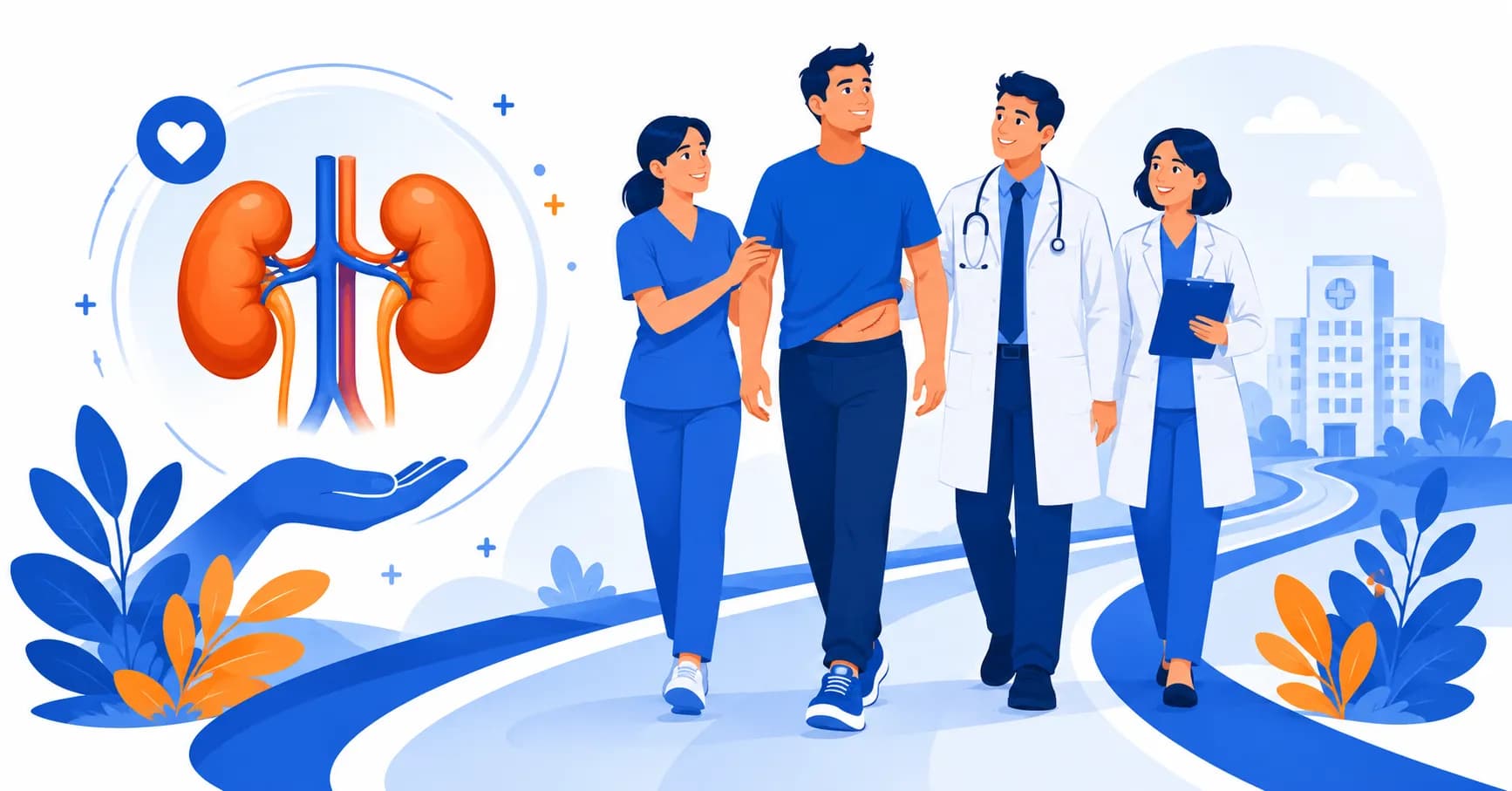
Cadaver kidney transplant—also known as deceased donor kidney transplant or cadaver renal transplant—is a life-saving surgical treatment in which a kidney removed from a deceased, medically suitable donor is transplanted into a person with kidney failure. Unlike living-donor transplantation, cadaver kidney transplant uses organs recovered after death (often from brain-stem–dead donors or donors after circulatory death) and allocated through an organized transplant coordination system. The goal is to restore kidney function so the recipient can free themselves from dialysis, improve quality of life, and reduce long-term complications associated with end-stage kidney disease (ESKD).
In a cadaver kidney transplant, the donor organ is evaluated in detail for function and infectious risk, matched for blood group and tissue compatibility where possible, and transported under strict preservation protocols to the transplant centre. The surgical team then implants the donor kidney, usually into the lower abdomen, connecting arteries, veins and the ureter to establish blood flow and urinary drainage. Immediate graft function is often seen, but delayed graft function can occur and is managed by the transplant team. Immunosuppressive medications are started to prevent rejection, and lifelong follow-up is required to maximize graft survival and patient health.
Cadaver kidney transplant is an essential option for patients on the kidney transplant waiting list in Jaipur and across India, where increasing awareness of organ donation has expanded access to deceased-donor kidneys. Apex Hospital in Malviya Nagar, Jaipur, coordinates with regional allocation systems to provide timely transplant services and post-transplant care. If you are considering this option, it is important to understand the clinical steps, waiting list process, and long-term commitments involved.
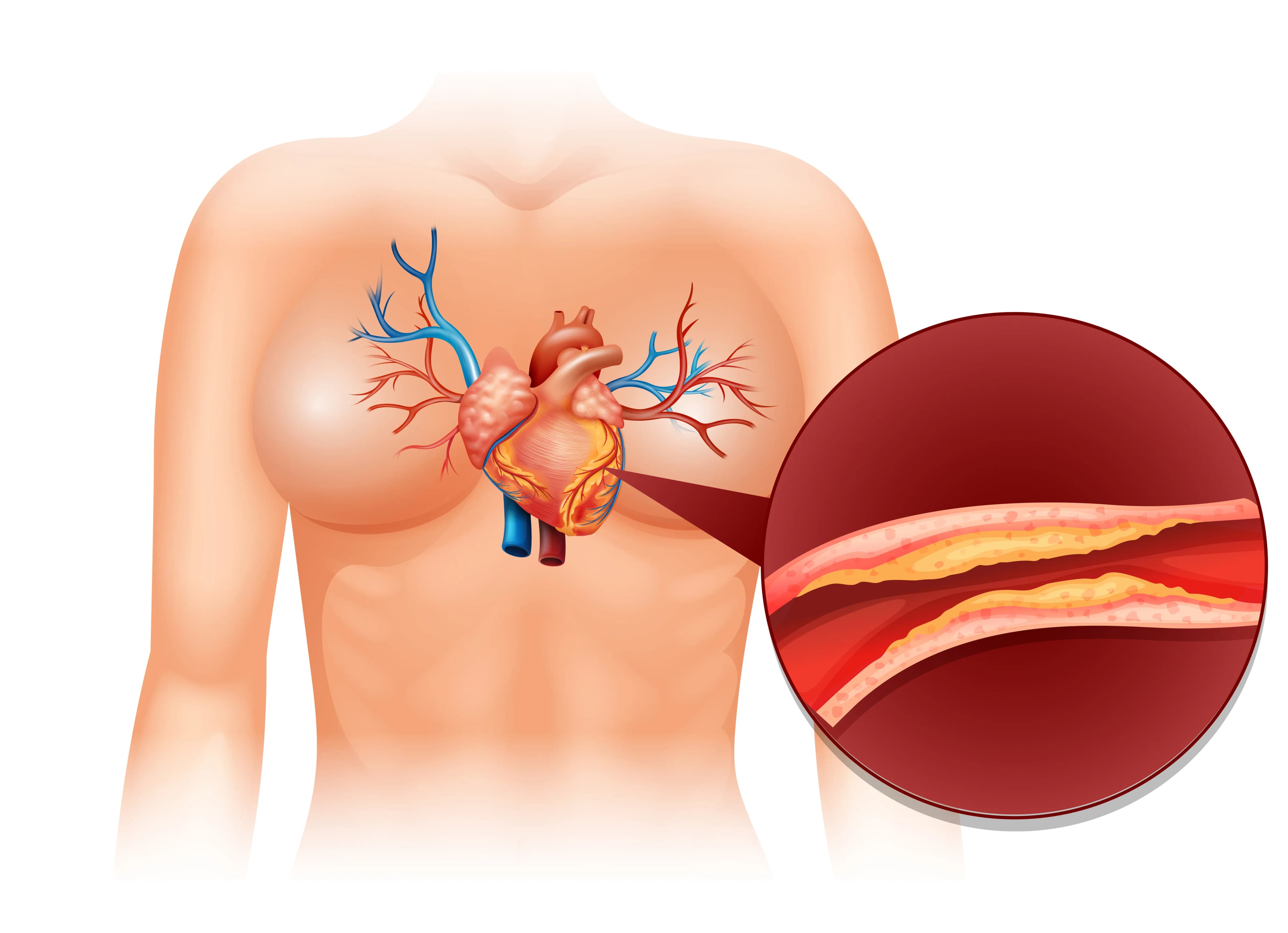
Cadaver kidney transplant is primarily recommended for patients with end-stage kidney disease (ESKD) when the kidneys can no longer filter blood sufficiently to maintain health. ESKD results from progressive chronic kidney disease (CKD) due to a variety of causes. Common causes of CKD that lead to the need for transplant include:
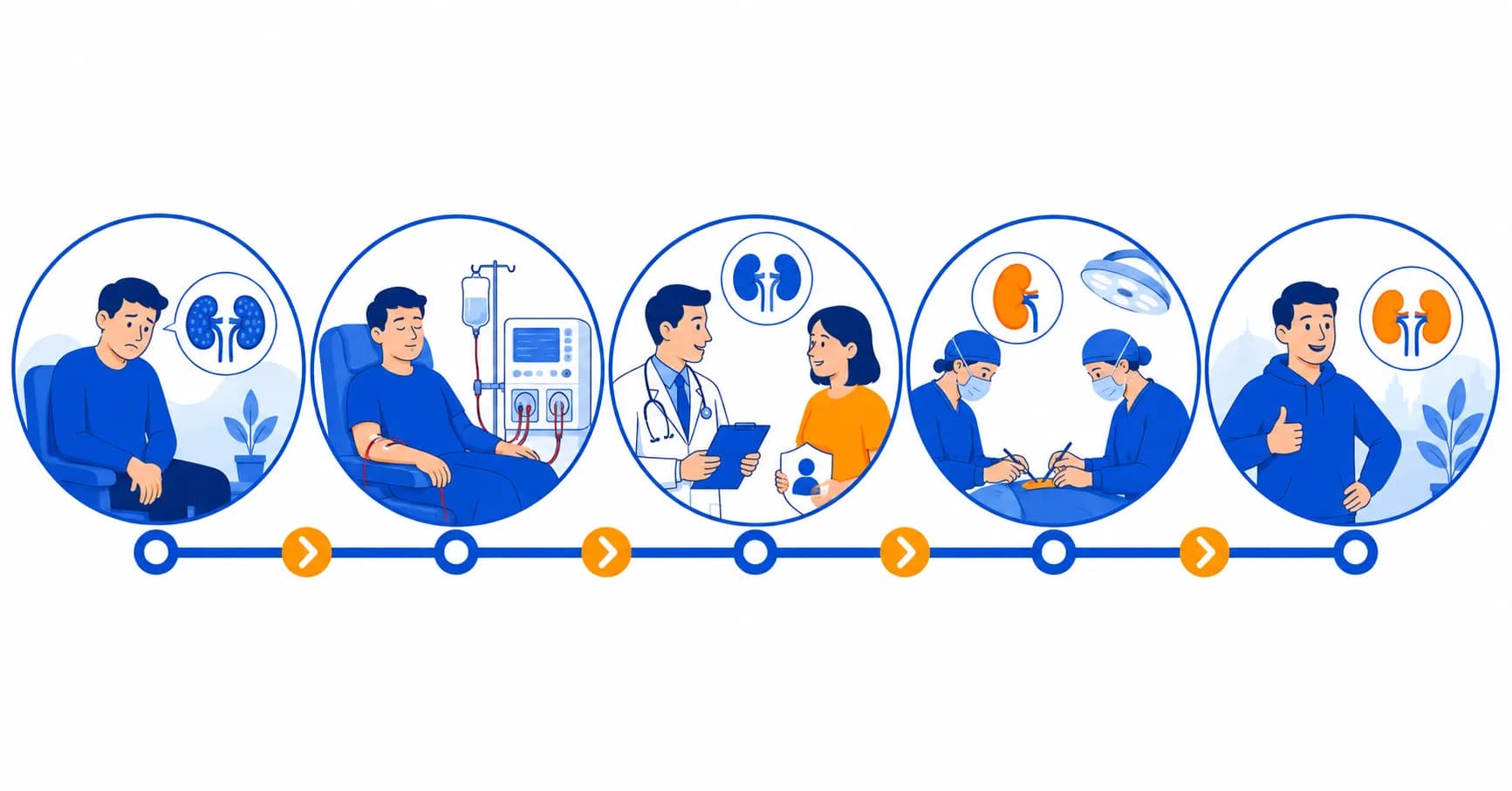
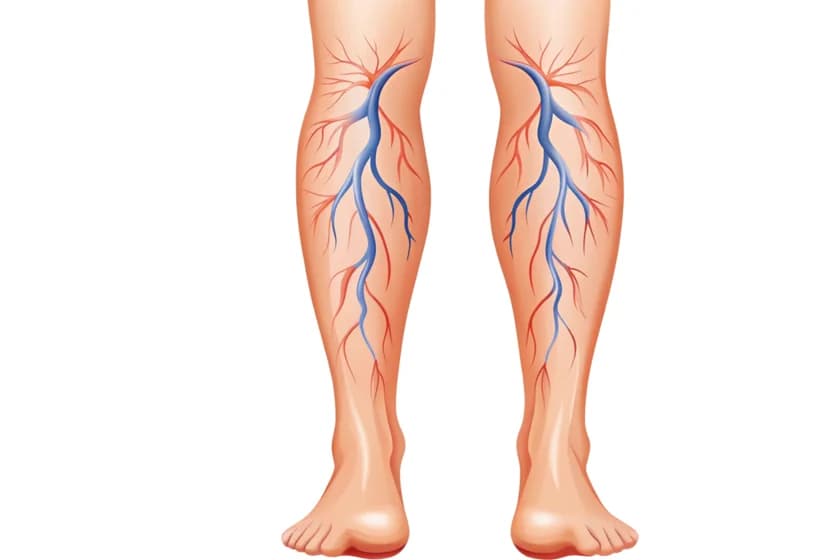
Symptoms that commonly signify advanced kidney failure and may prompt evaluation for transplantation include persistent tiredness, decreased urine output, swelling in the legs and face, shortness of breath, nausea, poor appetite and cognitive impairment. Laboratory findings such as a low glomerular filtration rate (GFR), rising serum creatinine, and complications like anemia, electrolyte imbalance, and bone disease also indicate progression. For many patients, dialysis (hemodialysis or peritoneal dialysis) becomes the interim treatment while awaiting transplant. However, kidney transplant—especially when successful—often offers better survival, quality of life and fewer dietary and fluid restrictions compared with long-term dialysis.
In Jaipur and surrounding areas, physicians at Apex Hospital evaluate patients comprehensively to identify transplant candidates early. Early referral for transplant evaluation is encouraged because patients who are listed and prepared in advance tend to have better outcomes. For some high-risk individuals whose native disease may recur, tailored discussions about the benefits and risks of deceased-donor transplantation are part of the pre-transplant counselling.
Not every patient with chronic kidney disease is an immediate candidate for cadaver kidney transplant. Eligibility is based on medical, surgical, immunological and psychosocial assessments carried out by a multidisciplinary transplant team. The evaluation at Apex Hospital, Malviya Nagar, Jaipur includes:
Patients with reversible contraindications are optimized before listing. Patients may be temporarily deferred if they have active infection, poorly controlled cardiovascular disease, substance misuse or untreated malignancy. In many cases, older patients and those with multiple illnesses may still be eligible after individualized risk–benefit analysis. Once deemed eligible, patients are registered with the appropriate organ allocation body (state or national registry) and placed on the deceased-donor waiting list. Apex Hospital provides dedicated transplant coordinators to help patients through evaluation, listing, and document submission required to get on the cadaver donor kidney transplant waiting list in Jaipur.
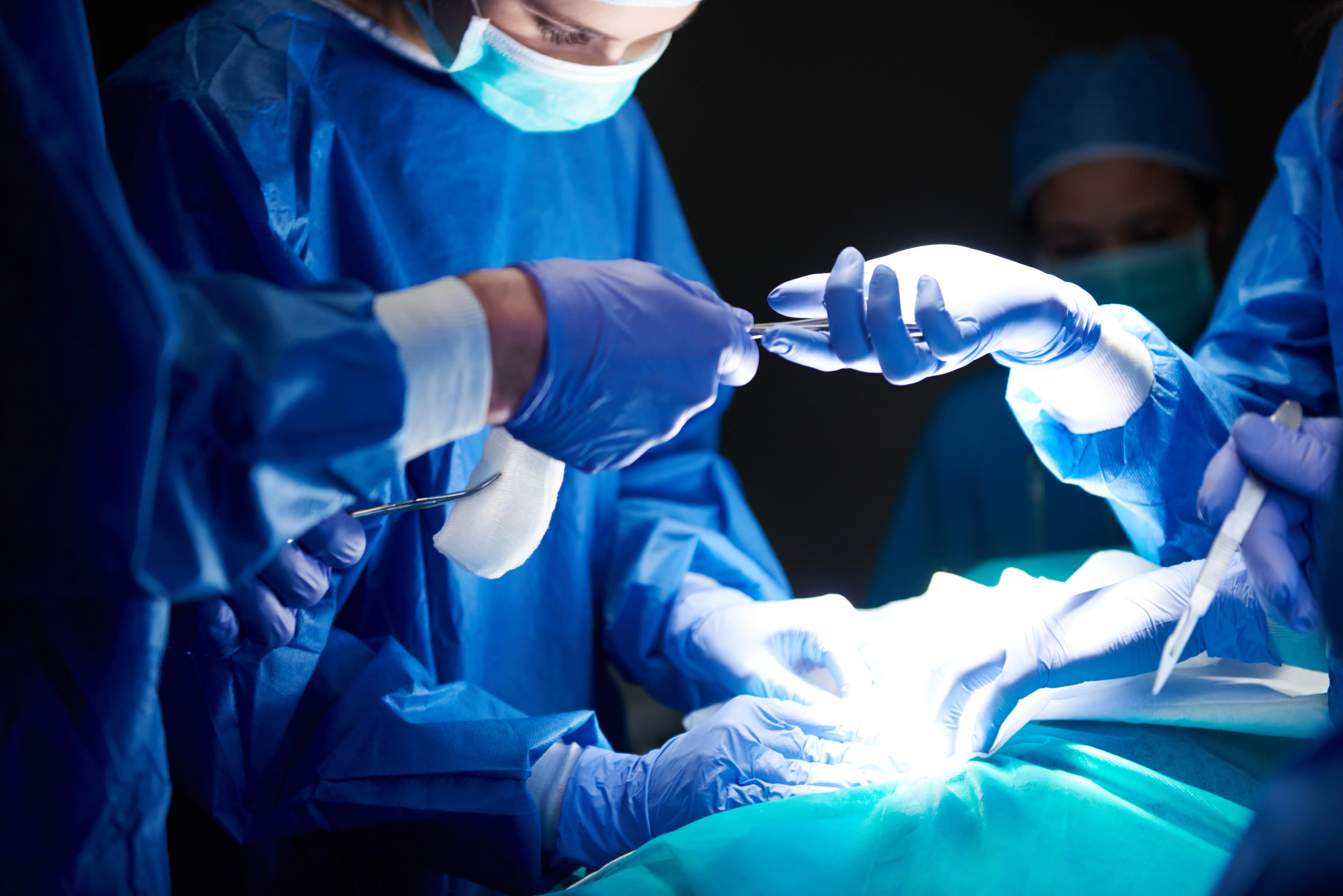
The cadaver kidney transplant at Apex Hospital follows a standardized timeline that begins once a matched deceased donor kidney becomes available. The key steps include donor organ recovery, transportation under cold ischemia protocols, bench evaluation, and recipient surgery. Once the kidney arrives, the transplant surgery typically takes 3–4 hours and involves:
After surgery, patients are transferred to a high-dependency or intensive care setting for close monitoring. Immediate post-operative goals include achieving urine output, stable blood pressure, and adequate graft perfusion. Immunosuppressive induction (high-intensity initial medications) is started at or prior to transplantation to reduce the risk of early rejection. Hospital stay after cadaver kidney transplant usually ranges from 7 to 14 days, though some patients may stay longer if complications arise. The timeline of graft function varies: some kidneys show immediate function while others have delayed graft function requiring temporary dialysis. Apex Hospital’s advanced surgical infrastructure and continuous monitoring systems ensure that even high-risk cases receive meticulous peri-operative care.
When considering cadaver kidney transplant, patients should understand alternatives and how they compare in terms of benefit, risks, and accessibility. Major alternatives include living donor kidney transplant, long-term dialysis (hemodialysis or peritoneal dialysis), and conservative supportive care for patients who opt not to pursue transplant. Below is a clear comparison to help patients and families make informed decisions.
| Option | Benefits | Limitations |
|---|---|---|
| Cadaver (deceased) kidney transplant | Increases organ availability, avoids donor surgery on a friend/relative, good long-term outcomes | Waiting time varies, organ quality variable, higher cold ischemia risk |
| Living donor kidney transplant | Shorter wait, often better immediate graft function and longer graft survival | Requires a willing healthy donor; ethical and medical risks to donor |
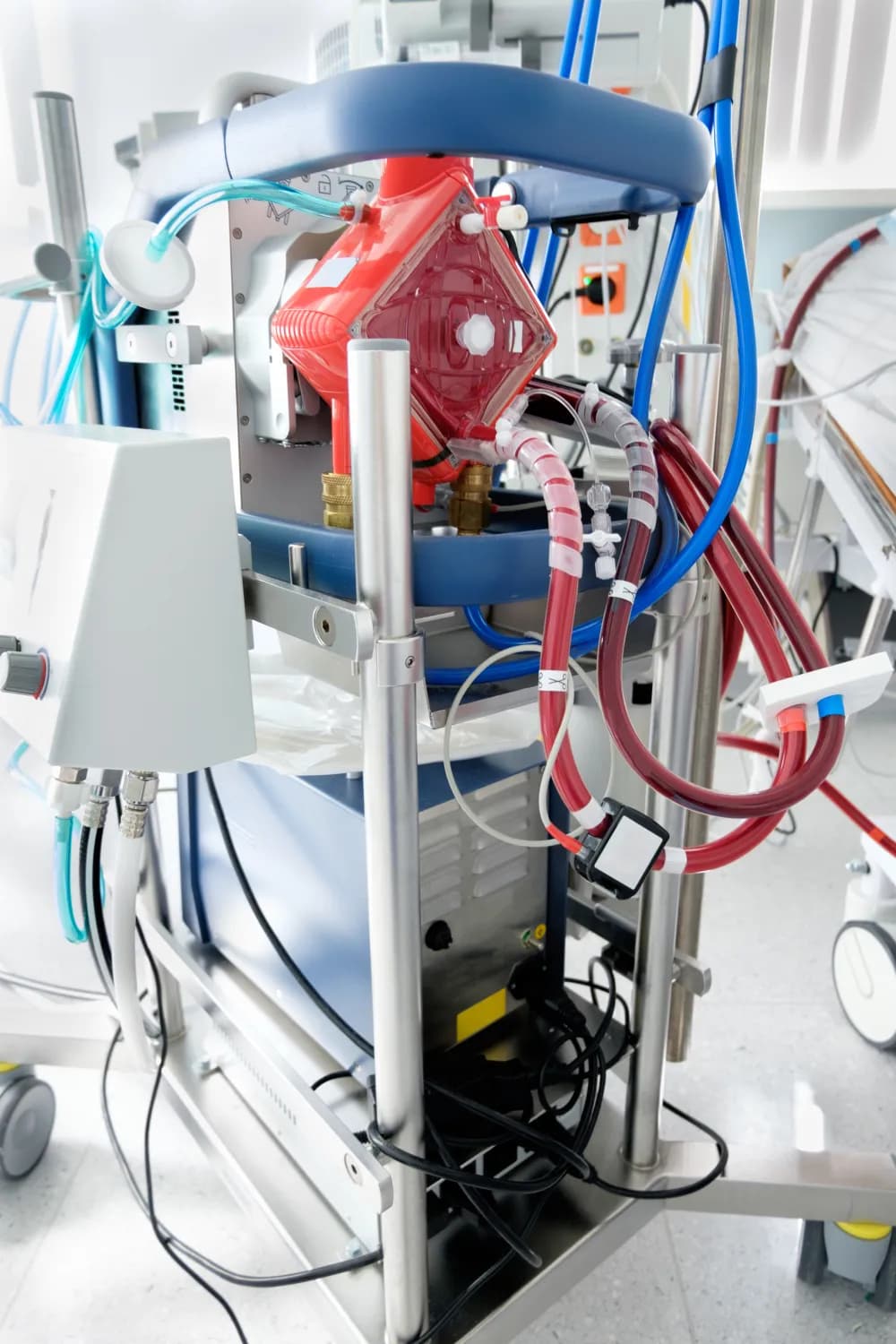
| Hemodialysis | Widely available, sustains life while awaiting transplant | Regular clinic visits, vascular access complications, reduced quality of life vs transplant |
| Peritoneal dialysis | Home-based, more flexibility, fewer dietary restrictions | Peritonitis risk, requires training and home environment suitability |
| Conservative (non-dialytic) care | Avoids surgery and dialysis burdens for patients with limited life expectancy | Limited survival benefit in ESKD; primarily for palliative goals |
Choosing between these options depends on medical suitability, social support, availability of donors, financial considerations and patient preferences. For many patients in Jaipur and Rajasthan, the decision is supported by transplant coordinators at Apex Hospital who explain differences, help identify living donors or register for cadaver kidney transplant, and counsel on expected outcomes.
Like any major surgery, cadaver kidney transplant carries risks. Short-term surgical risks include bleeding, wound infection, vascular thrombosis of the graft, urinary leaks or obstruction, and anesthetic complications. Early post-transplant challenges include acute rejection (immune system attack on the graft), delayed graft function (temporary need for dialysis), and infections due to immunosuppression. Long-term complications may include chronic rejection, cardiovascular disease, metabolic complications (diabetes, hypertension), bone disease and malignancies associated with immunosuppressive drugs.
Despite these risks, kidney transplantation generally offers superior survival and quality of life compared with continued dialysis. Global and regional statistics illustrate the impact:
At Apex Hospital, outcomes are tracked by a multidisciplinary team. With experienced nephrologists and transplant surgeons, close peri-operative monitoring and adherence support, the centre aims to match or exceed regional success rates. Patients are informed about the possibility of acute rejection (often treatable) and the lifelong need for immunosuppressive medication adherence to preserve graft function.
Understanding cost is a key part of transplant planning. The total cost for a cadaver kidney transplant in Jaipur varies based on factors such as pre-transplant evaluation, ICU and hospital stay, surgical fees, immunosuppressive medications, and post-operative follow-up. Approximate cost components include:
Below is a comparative cost table to give a general sense of expenses in Jaipur. Actual costs will be individualized by patient condition and hospital protocols.
| Type | Estimated cost range (Jaipur, INR) | Notes |
|---|---|---|
| Cadaver kidney transplant | Rs. 3,00,000 – Rs. 8,00,000+ | Includes donor organ retrieval coordination, variable based on ICU needs and complications |
| Living donor kidney transplant | Rs. 2,50,000 – Rs. 7,00,000+ | Costs may be slightly lower if fewer ICU days are needed and donor expenses are borne separately |
| Annual immunosuppression medication | Rs. 50,000 – Rs. 2,00,000 | Depends on drug regimen (generic vs branded) and monitoring needs |
Many patients in Jaipur access government schemes, health insurance, or employer-provided coverage to reduce out-of-pocket expenses. Apex Hospital offers insurance assistance, cashless facility coordination and guidance on transplant financing including EMI options where applicable. For precise cost estimates for cadaver kidney transplant cost Jaipur, contact Apex Hospital transplant coordinators at 9829030011 or book an appointment online at https://apexhospitals.com/locations/malviya-nagar-jaipur.
Post-transplant care is crucial to preserve graft function and enhance patient outcomes. Recovery begins in hospital where patients are monitored for urine output, wound healing, graft perfusion and early complications. Typical immediate care elements include pain control, blood pressure management, and initiation of immunosuppressive therapy. Most recipients stay in the hospital for 7–14 days, depending on recovery and any need for supportive dialysis. Early follow-up is frequent—weekly or biweekly—for the first few months, then gradually spaced to monthly and eventually every 3–6 months long-term.
Key components of long-term post-transplant care are:
Apex Hospital’s post-transplant program in Malviya Nagar, Jaipur includes a structured follow-up schedule, access to transplant pharmacists for drug level management, and remote consultation options for patients who live outside the city. Patient education on signs of rejection, infection risk and when to seek medical attention is emphasized. Recovery time varies—while many patients return to normal daily activities within 6–12 weeks, full functional recovery and stabilization of medications may take several months. Lifelong surveillance remains essential to ensure long-term graft survival.
Registration for a cadaver kidney transplant in Jaipur involves a clear set of steps to ensure your name is placed on the deceased-donor waiting list. Apex Hospital helps patients navigate this process and works with the local and national organ allocation systems. Steps typically include:
Wait times vary based on blood group, sensitization status, and organ availability. Patients with rare blood groups or high sensitization may wait longer. Apex Hospital provides transplant coordinators who maintain close communication, arrange rapid admission when a compatible deceased donor organ becomes available, and advise on interim dialysis care. If a living donor emerges, conversion to a living-donor transplant pathway is possible and often shortens waiting time. For specific guidance on "how to get cadaver kidney transplant in Jaipur" or the "deceased donor kidney transplant waiting list Jaipur," contact Apex Hospital at 9829030011 or WhatsApp the same number for immediate assistance.
Choosing the right centre for cadaver kidney transplant impacts outcomes and the patient experience. Apex Hospital, located at SP-4 & 6, Malviya Nagar Industrial Area, Malviya Nagar, Jaipur, Rajasthan, India, offers a comprehensive transplant program tailored to the needs of patients seeking deceased-donor kidney transplantation. Key strengths include:
Apex Hospital serves patients across Jaipur and nearby districts, and is increasingly recognized among top kidney transplant hospitals in Jaipur and Malviya Nagar. If you are exploring cadaver kidney transplant options, schedule a consultation or speak to our transplant coordinators via phone or WhatsApp at 9829030011 or book online at Apex Hospital Malviya Nagar transplant appointments.
Q1: How long is the typical waiting time for a cadaver kidney transplant in Jaipur?
A: Waiting time varies widely depending on blood group, sensitization and organ availability. Some patients may wait months to years. Apex Hospital works with state and national registries to ensure timely allocation and offers support to explore living-donor alternatives where appropriate.
Q2: Is cadaver kidney transplant as successful as living donor transplant?
A: Both options offer excellent outcomes. Living-donor transplants often show slightly better immediate graft function and longer graft survival, but modern deceased-donor transplantation still yields strong long-term results and expands access for patients without a living donor.
Q3: Can I continue dialysis while waiting for a cadaver kidney transplant?
A: Yes. Hemodialysis or peritoneal dialysis is commonly used as a bridge to transplant. Transplant teams ensure patients are optimized on dialysis and ready for rapid admission when an organ becomes available.
Q4: What documents are required to register for the deceased-donor waiting list in Jaipur?
A: Typical documents include identity proof, medical reports (renal function, imaging, cardiac clearance), blood group results and a completed transplant registration form. Apex Hospital’s coordinators guide patients through the exact local requirements.
Q5: Will my immunosuppressive medications be provided long-term at Apex Hospital?
A: Apex Hospital provides initial post-transplant drug management and counselling. Long-term medication supply is usually managed through outpatient pharmacies; hospital staff provide guidance on affordable generic options and assistance with insurance or government schemes.
Q6: What signs should prompt immediate medical attention after transplant?
A: Warning signs include decreased urine output, fever, sudden swelling, severe pain at the transplant site, shortness of breath or any sudden change in health. Early reporting ensures prompt assessment for rejection or infection.
Q7: How do I contact Apex Hospital for more information or to book an appointment for cadaver kidney transplant evaluation in Jaipur?
A: Call or WhatsApp the transplant coordinators at 9829030011 or book online at https://apexhospitals.com/locations/malviya-nagar-jaipur. The team at Apex Hospital Malviya Nagar, Jaipur is available to guide you through eligibility assessment, registration and financial counselling.

Download Our App


Powered By Docfyn