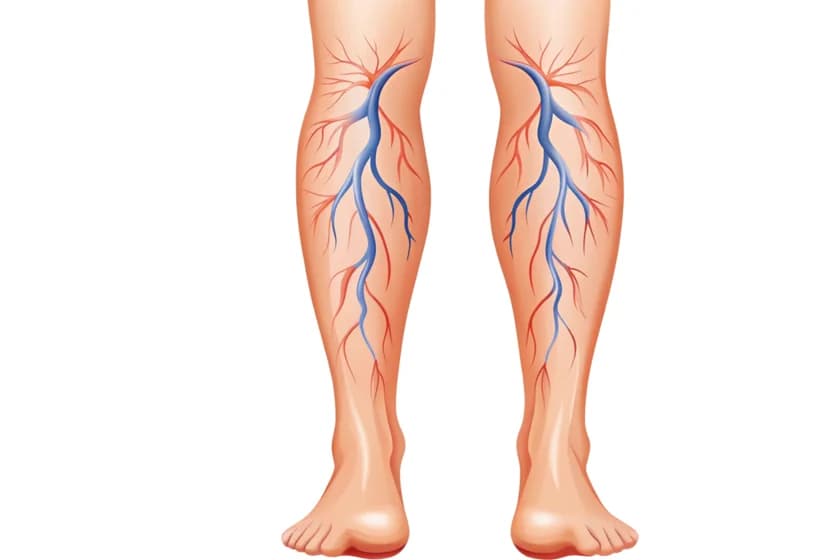
Apex Hospitals, Malviya Nagar, Jaipur offers comprehensive vascular and endovascular surgery, combining the latest minimally invasive technology with expert surgical care. Led by Dr. Aadarsh Kabra, Director — Vascular & Endovascular Surgery, with 20+ years of experience, our department treats the full range of vascular conditions, from peripheral artery disease and varicose veins to complex aortic aneurysms, through a multidisciplinary, patient-centred approach.
Vascular surgery is the branch of medicine focused on diagnosing and treating diseases of the blood vessels, arteries and veins, outside the heart and brain.
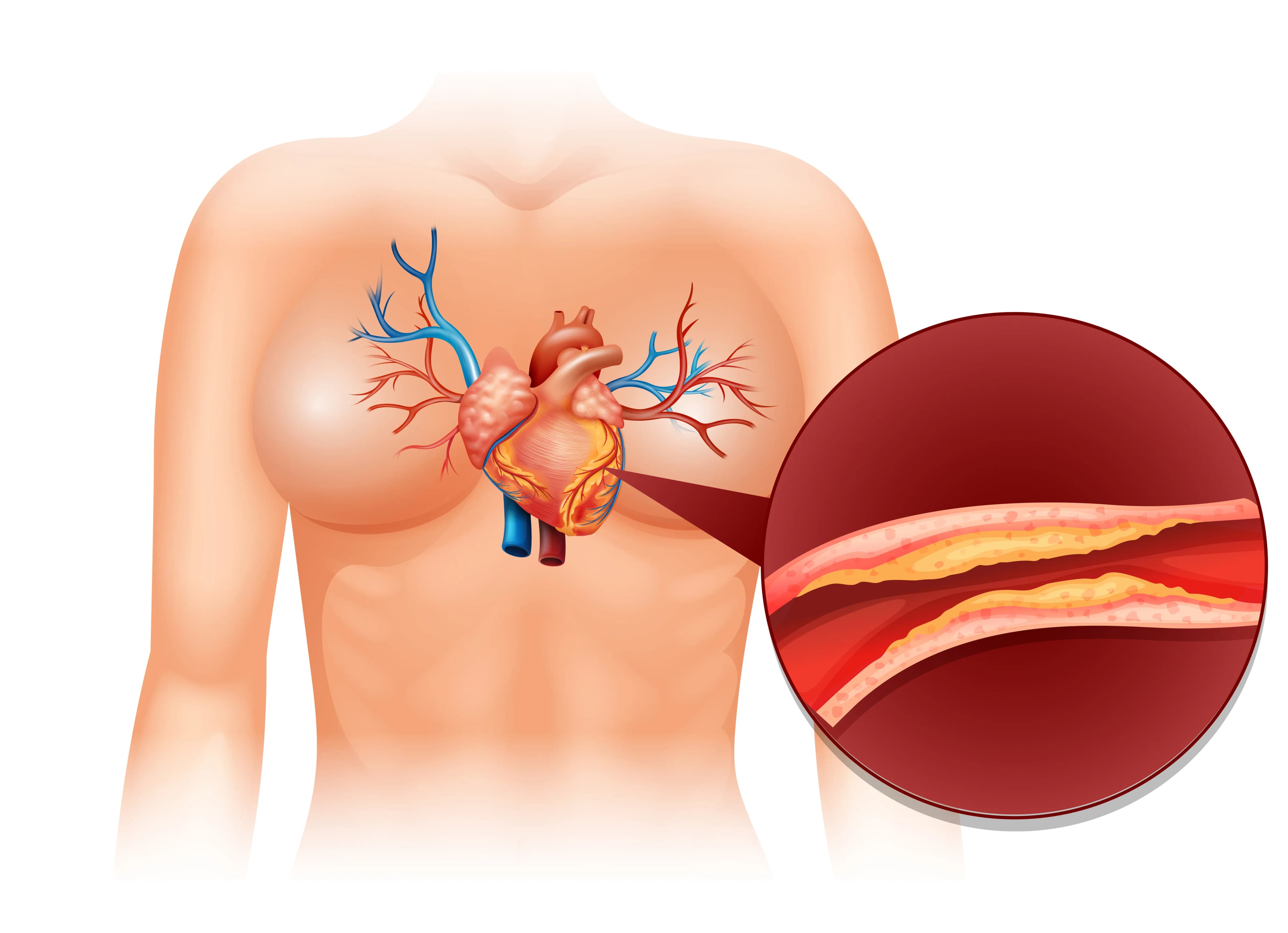
The vascular system carries blood throughout the body, and when arteries or veins become narrowed, blocked, weakened, or damaged, the effects can range from leg pain and swelling to life-threatening conditions such as a ruptured aneurysm or stroke. Vascular surgeons diagnose and treat these conditions using both surgical and minimally invasive techniques.
Endovascular procedures have transformed vascular surgery by allowing many conditions to be treated from within the blood vessel itself, using catheters and stent grafts, rather than through open surgery. This approach is particularly effective for aortic aneurysms, peripheral artery disease, and carotid artery disease, offering reduced scarring, less pain, and shorter hospital stays compared to traditional open repair.
International Fellowship-Trained Expertise
Dr. Aadarsh Kabra holds a Fellowship in Vascular & Endovascular Surgery from Paracelsus University, Salzburg, Austria, alongside specialised training from JIVAS, Bangalore — bringing internationally trained expertise to vascular care in Jaipur.
Minimally Invasive Options Wherever Possible
Endovascular techniques mean that conditions which once required major open surgery — such as aortic aneurysms and carotid artery disease — can often be treated with smaller incisions, less pain, and faster recovery.
Multidisciplinary, Coordinated Care
Vascular surgery at Apex Hospitals is supported by close collaboration with cardiologists, interventional radiologists, and critical care specialists — ensuring complex cases are managed with input from every relevant speciality.
20+ Years of Surgical Experience
Dr. Kabra's two decades of experience span the full range of vascular conditions, from routine varicose vein treatment to complex, high-risk aortic and carotid interventions.
Book a Consultation
Book online, call our helpline, or walk in during OPD hours. Bring any prior scans or test results — Doppler ultrasound, CT angiography — for a focused first consultation.
Diagnostic Evaluation
Dr. Kabra assesses your symptoms and orders relevant vascular imaging — typically Doppler ultrasound, and where needed, CT or MR angiography — to identify the exact location and severity of the vascular problem.
Treatment Plan Discussion
Once the diagnosis is clear, treatment options are explained — medical management, minimally invasive endovascular treatment, or surgery — along with the relevant risks, benefits, and recovery timeline for each option.
Procedure or Surgery
Most patients are suitable for catheter-based endovascular treatment, performed with smaller incisions and shorter recovery. More complex cases may require open surgical repair, performed with full surgical and critical care support.
Recovery & Follow-up
Endovascular procedures typically allow discharge within 1–2 days; open surgical repair may require a longer stay. Follow-up imaging and check-ups are scheduled to confirm the treated vessel remains healthy over time.

A vascular surgeon diagnoses and treats diseases of the arteries and veins outside the heart and brain — including peripheral artery disease, aortic aneurysms, carotid artery disease, varicose veins, and chronic venous insufficiency.
An endovascular procedure treats blood vessel problems from within the vessel itself, using catheters and stent grafts inserted through a small incision — rather than open surgery. It typically results in less pain, reduced scarring, and a shorter hospital stay.
Common signs include leg pain or cramping while walking that improves with rest, numbness or weakness in the legs, coldness in the lower leg or foot, and slow-healing wounds on the legs or feet. These symptoms should not be ignored, especially in patients with diabetes or a smoking history.
Yes, an aortic aneurysm can be life-threatening if it grows large enough to rupture. Most aneurysms are found incidentally during imaging for other reasons and are monitored or treated based on size. Larger aneurysms are typically treated with EVAR (endovascular repair) or open surgery to prevent rupture.
The carotid arteries supply blood to the brain. When narrowed by plaque build-up, they increase the risk of stroke. Carotid artery stenting or surgery can reduce this risk significantly in patients with significant narrowing.
Not always. While many patients seek treatment for cosmetic concerns, varicose veins can also cause pain, swelling, skin changes, and in some cases, ulcers. Treatment addresses both the symptoms and the underlying vein dysfunction.
Most patients undergoing endovascular procedures recover much faster than with open surgery — often returning to normal activity within a week, with discharge from hospital in 1–2 days for most procedures.
Apex Hospitals, Malviya Nagar offers internationally fellowship-trained vascular surgery expertise, advanced endovascular technology, and a multidisciplinary approach — all under the leadership of Dr. Aadarsh Kabra, who brings 20+ years of experience and training from Austria and India's leading vascular institutes.