What are infectious diseases?
Infectious diseases are illnesses caused by harmful microorganisms, including bacteria, viruses, fungi, and parasites. These pathogens enter the body from external sources. They can spread through various means, such as direct contact with infected individuals, animal interactions, insect bites, or exposure to contaminated surfaces, food, water, or soil. In rare cases, prions may also contribute to infectious diseases. Understanding how these diseases spread is crucial for preventing and managing their impact on health.
What are the different types of infectious diseases?
Infectious diseases can arise from various types of pathogens, including viruses, bacteria, fungi, parasites, and a rare category called transmissible spongiform encephalopathies (TSEs). Each of these causes illness in unique ways:
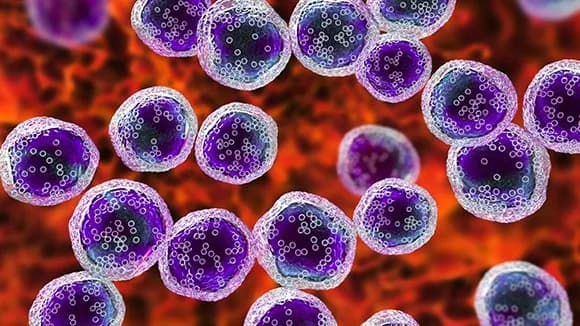
- Viral infections occur when viruses, which are tiny genetic materials (DNA or RNA) encased in a protective shell called a capsid, invade your cells. Since viruses cannot replicate independently, they hijack your cellular machinery to create more copies of themselves.
- Single-celled organisms cause bacterial infections with their genetic instructions encoded in DNA. While many bacteria are harmless or beneficial, certain types release toxins that can make you ill. Bacteria exist all around us, including on our skin and bodies.
- Fungal infections result from overgrowths of fungi, naturally present on and within the human body. When harmful fungi enter through the mouth or nose or break in the skin, or when beneficial fungi grow excessively, they can lead to disease.
- Parasitic infections involve organisms, such as worms (helminths) and single-celled protozoa, that live within a host's body to survive and reproduce, often harming the host.
- Transmissible spongiform encephalopathies (TSEs) are rare but severe diseases caused by prions, which are misfolded proteins. These faulty proteins, often in the brain, trigger other proteins to become defective. Since the body cannot break down or eliminate these proteins, they accumulate, leading to illness.
What are the treatments for infectious diseases?
The treatment of infectious diseases depends on the underlying cause of the infection. Healthcare providers sometimes recommend monitoring symptoms without prescribing medication, while targeted treatments are necessary for others. Understanding the type of pathogen involved—whether bacterial, viral, fungal, or parasitic—guides the choice of therapy.
Bacterial Infections
Bacterial infections are commonly treated with antibiotics. These medications are selected based on the specific bacteria causing the disease, as certain bacteria respond better to particular antibiotic families. For example, infections caused by Streptococcus or E. coli are treated with targeted antibiotics.
However, the overuse and misuse of antibiotics have led to antibiotic resistance, making some bacteria more difficult to treat. Antibiotics are ineffective against viruses, so they must be taken only under medical supervision for bacterial infections.
Viral Infections
Most viral infections are managed symptomatically with over-the-counter medications until the immune system clears the virus. In certain cases, specific antiviral drugs are prescribed. For instance, antiretroviral therapy is crucial for managing HIV. Vaccines remain a highly effective preventive measure against viral infections like measles, hepatitis, and influenza.
Fungal Infections
Antifungal medications, available in various forms, can treat fungal infections. Severe infections, especially in immunocompromised individuals, may require intravenous antifungal treatment.
Parasitic Infections
Parasites, including worms and protozoa, are treated with antiparasitic drugs such as mebendazole. Diseases like malaria have effective treatments, though some parasites have developed resistance, complicating management.
Prion Diseases (TSEs)
Transmissible spongiform encephalopathies, caused by faulty proteins called prions, are rare and untreatable. These diseases progress as abnormal proteins accumulate, primarily in the brain, leading to severe symptoms.
Speak to our experts.
If you’re experiencing symptoms of an infectious disease, especially if they are unusual or persist over time, it’s essential to seek medical attention promptly. At Apex Hospitals, our experts are here to provide comprehensive care for diagnosing, managing, and treating infectious diseases.
Regular follow-ups with your healthcare provider are crucial for ongoing infections to monitor your condition and prevent complications. Also, inform your provider in advance if you plan to travel abroad. Specific destinations may require vaccinations or preventive measures to protect against region-specific infections.
Trust Apex Hospitals to guide you with expert advice and tailored care, ensuring your health and safety at every step.