What is Sepsis?
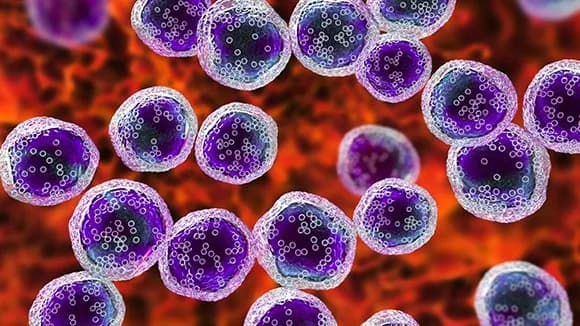
Sepsis is critical when the body's response to an infection becomes dysfunctional. Instead of combating the infection, the immune system's reaction can cause harm to the body's organs, impairing their function.
If left untreated, sepsis can escalate to septic shock, characterized by a significant drop in blood pressure. This dramatic decline can result in severe damage to vital organs such as the lungs, kidneys, and liver, potentially leading to fatal outcomes.
Timely intervention is crucial; early treatment of sepsis significantly increases the likelihood of survival.
What causes sepsis?
Sepsis is caused by the body's extreme response to an infection. It occurs when chemicals released into the bloodstream to fight the infection trigger widespread inflammation, leading to tissue damage and organ dysfunction. Common causes of diseases that can lead to sepsis include:
- Bacterial infections are the most frequent cause, particularly pneumonia, urinary tract infections (UTIs), abdominal infections, or skin infections.
- Viral infections: Influenza, COVID-19, and other viruses can trigger sepsis.
- Fungal infections: Less common but can occur in people with weakened immune systems.
- Parasitic infections: In rare cases, parasites can lead to sepsis.
The risk of sepsis is higher in people with compromised immune systems, chronic illnesses, the elderly, newborns, and those with severe injuries or burns.
What are the treatments for sepsis?
A doctor will provide urgent treatment for sepsis, which may include:
- Addressing the underlying cause of the infection
- Administering antibiotics if the infection is bacterial
- Providing oxygen and intravenous fluids to maintain blood flow to vital organs
- Offering assisted breathing support if necessary
- Scheduling surgery to remove damaged tissue if required
Sepsis usually necessitates hospital care, with some patients needing intensive care.
For older adults, additional treatments may focus on:
- Preventing pressure ulcers
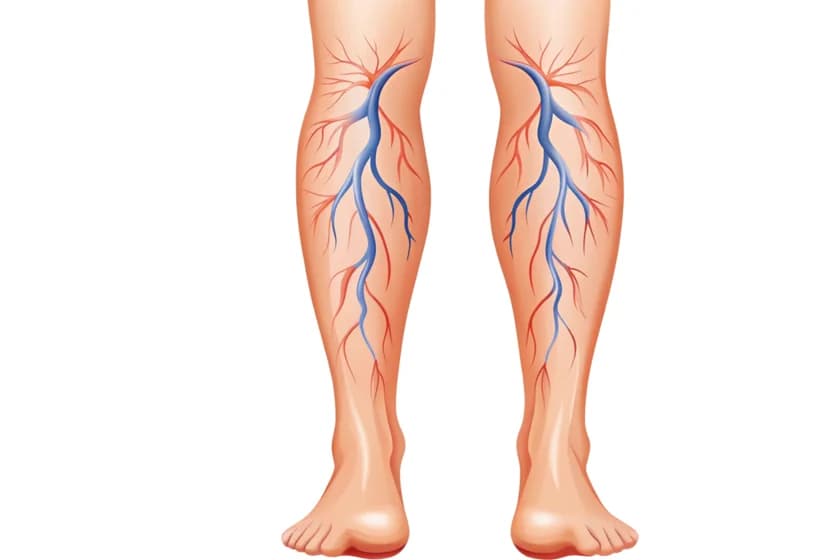
- Preventing deep vein thrombosis (DVT)
- Managing blood glucose levels
In severe cases where sepsis or septic shock doesn't respond to treatment, healthcare professionals may need to consider end-of-life care options.
Speak to our experts about sepsis.
Speak to our experts about sepsis and learn how early detection and treatment can save lives. Sepsis is a life-threatening condition, but with the proper care, recovery is possible. Our specialists at Apex Hospitals are here to help you understand sepsis, its symptoms, and the treatment options available. Don't wait contact us today for expert support and insights!