What is Multiple organ dysfunction syndrome?
Multiple Organ Dysfunction Syndrome (MODS) is a severe and rapidly developing condition in which two or more organ systems in the body fail to function correctly. Organ systems, which include groups of organs responsible for vital functions like breathing, digestion, and urination, may cease to operate effectively, making it challenging for the body to function without life support. Life support systems are often required to compensate for these failing organs.
MODS can affect any organ in the body and is not always directly related to the initial injury or disease that triggered the condition. It typically arises from a dysregulated inflammatory response triggered by various factors. Despite advancements in medical science, no fully effective treatment has been developed to manage this inflammatory response or mitigate the incidence and severity of MODS.
In modern ICU settings, the focus of treatment remains on preventing further organ dysfunction and addressing each organ system failure as it arises. MODS continues to be a leading cause of illness and death in ICUs worldwide. Given the absence of a definitive cure, early recognition of MODS, prompt ICU admission, and the initiation of life-saving interventions are crucial for preventing its progression and improving patient outcomes.
Which organs are mainly affected by Multiple Organ Dysfunction Syndrome (MODS)?
The severity of Multiple Organ Dysfunction Syndrome (MODS) is determined by the level of dysfunction across six critical organ systems:
- Respiratory System (Lungs): When your lungs fail to provide sufficient oxygen to your body or remove carbon dioxide (a condition known as respiratory failure), it becomes difficult to breathe. In MODS, patients may experience breathing difficulties and often require mechanical ventilation.
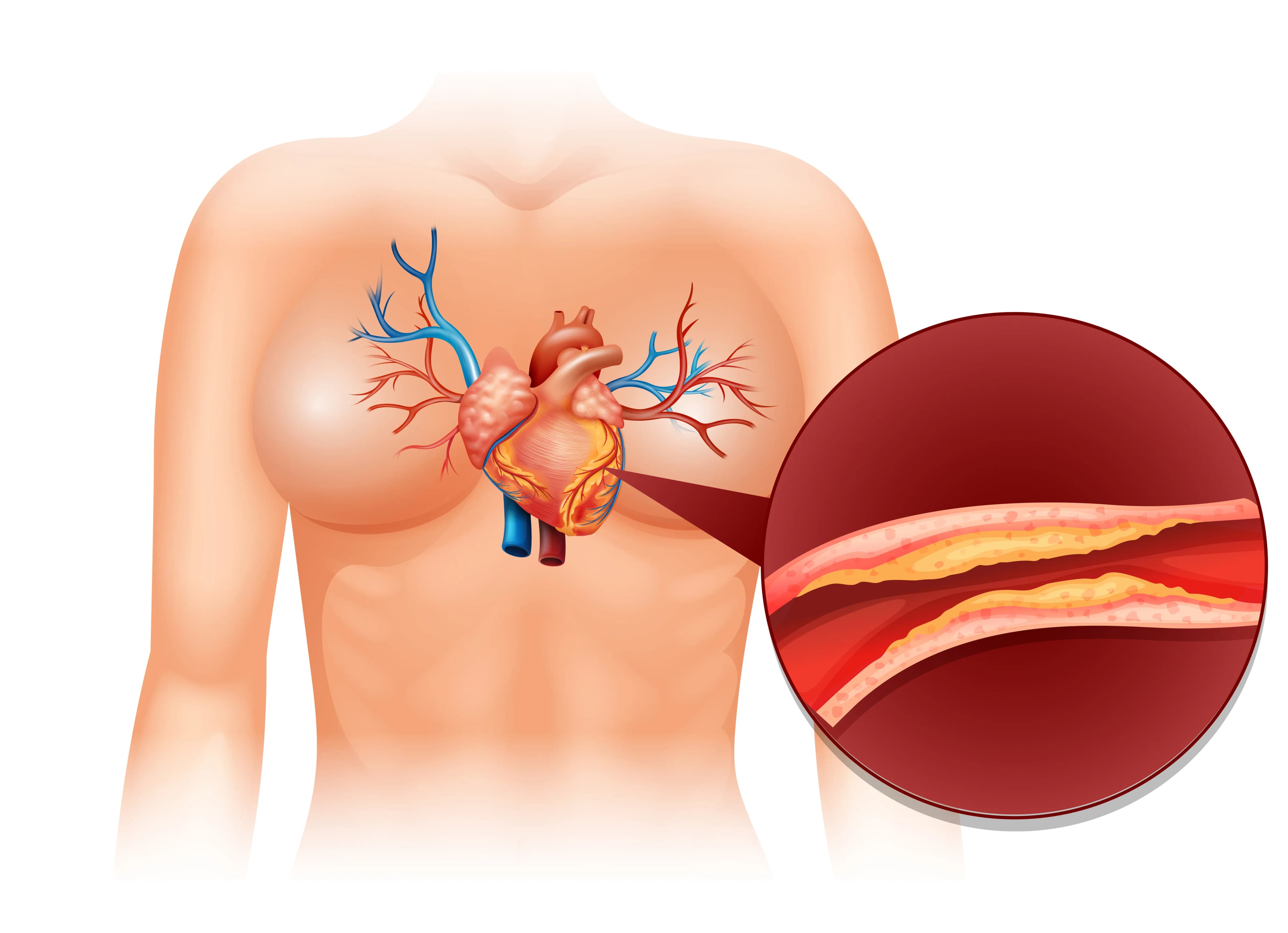
- Cardiovascular System (Heart): In MODS, heart failure or circulatory shock may occur due to a weakened or stiffened heart muscle, preventing it from pumping blood effectively. Additionally, widespread inflammation can cause blood vessels to dilate, reducing blood flow to organs and causing low blood pressure or shock. The inflammation may also lead to leaky blood vessels and swelling (oedema).
- Hematologic System (Blood): MODS can disrupt the balance of blood components, leading to bleeding and blood clots. This can manifest as bruises on the skin or internal bleeding, such as in the stomach.
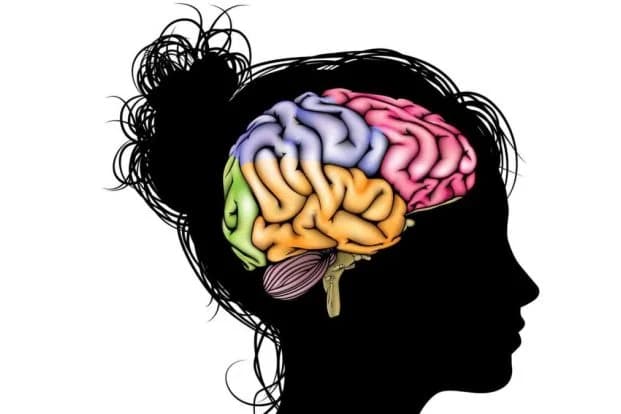
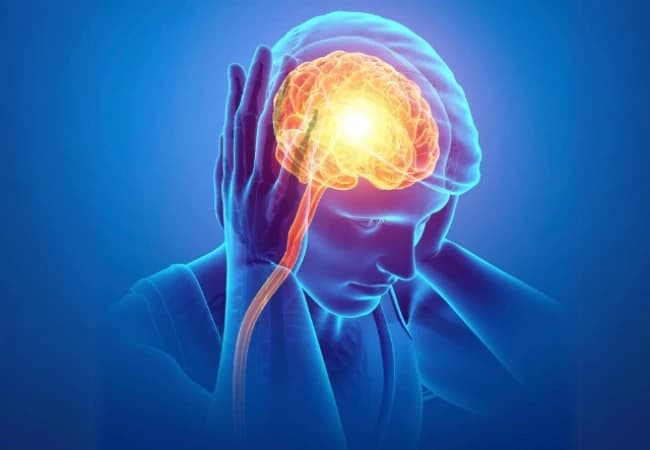
- Neurologic System (Brain): The brain plays a crucial role in controlling all bodily functions. In MODS, brain failure may occur due to reduced blood flow caused by low circulation, inflammation, and blood clotting problems. This can lead to brain damage and delirium, severely affecting cognitive and motor functions.
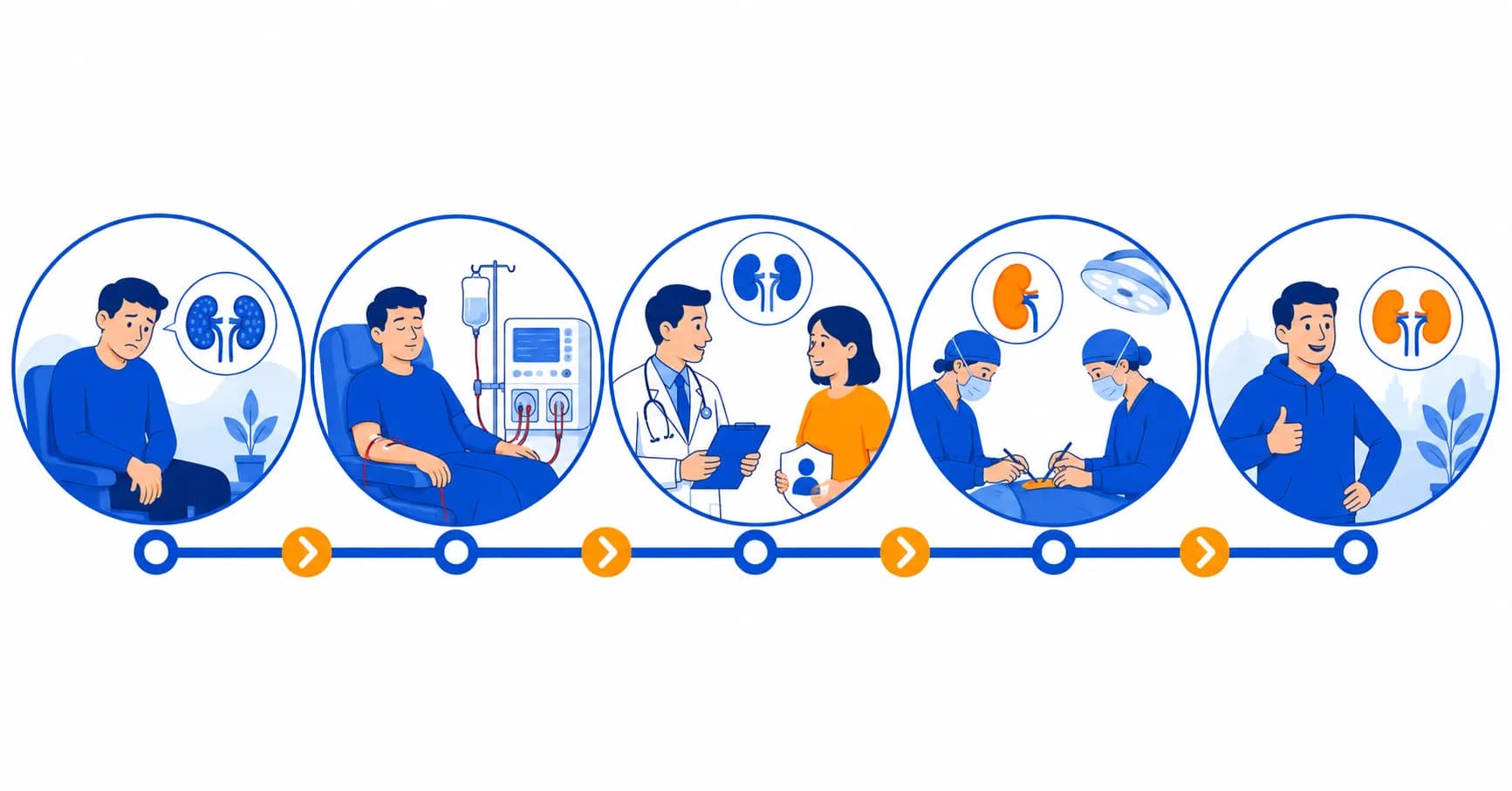
- Renal System (Kidneys): The kidneys are essential for filtering waste from the blood and balancing bodily fluids. Kidney failure in MODS results in the inability to perform these functions, accumulating toxins and excess bodily fluids, further complicating the condition.
- Hepatic System (Liver): The liver’s primary functions include detoxifying the blood, filtering out old red blood cells, and producing bile for digestion. Liver failure in MODS can result from inflammation and reduced blood flow, causing a condition where the skin and eyes turn yellow (jaundice). Liver failure often leads to other organ failures, further complicating the patient’s condition.
In MODS, these organ systems may fail simultaneously or progressively, emphasizing the importance of timely diagnosis and intervention to prevent further deterioration.
Treatment
Treatment for Multiple Organ Dysfunction Syndrome (MODS) is multifaceted and tailored to the underlying cause and the type of organ failure involved. The approach generally involves addressing the root cause, managing complications, and supporting failing organs. Here are the critical elements of MODS treatment:
- Antibiotics are essential for patients with widespread infections or sepsis, helping to eliminate the infectious agents.
- Respiratory Failure: Patients who experience respiratory failure require mechanical ventilation, which may involve sedation to allow the lungs to rest and recover.
- Vasopressors: These medications are often needed to maintain blood pressure and ensure proper blood flow to vital organs.
- Intravenous (IV) Fluids: IV fluids stabilize the patient, but healthcare providers must carefully balance fluid administration to maintain acid-base levels and electrolytes.
- Hematologic Issues: Treatment for blood-related complications depends on whether the patient is bleeding excessively or forming blood clots. Blood or platelet transfusions may be necessary.
- Surgery: Severe injuries causing MODS may require surgical intervention to repair or remove damaged tissue.
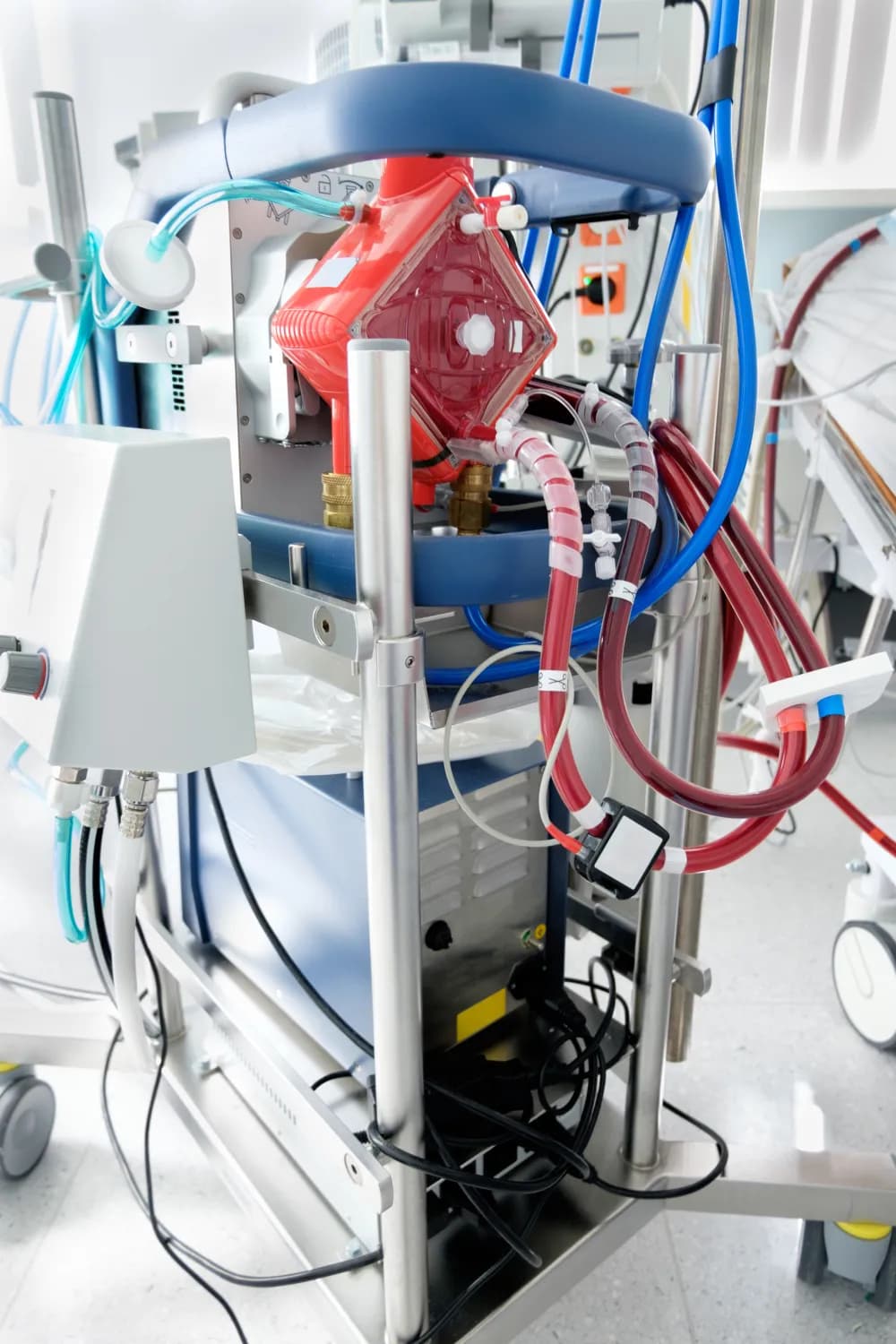
- Extracorporeal Membrane Oxygenation (ECMO): This advanced treatment acts as an artificial lung and heart, providing respiratory and cardiac support to allow these organs to rest.
- Organ Support: Multi-organ support is critical and includes mechanical or non-invasive ventilation, fluid homeostasis, and renal replacement therapy (for kidney failure).
Each aspect of MODS treatment is directed at stabilizing the patient, providing organ support, and addressing the underlying causes to prevent further deterioration.
Speak to our experts about Multiple Organ Dysfunction Syndrome (MODS)
Multiple Organ Dysfunction Syndrome (MODS) is a critical condition that can become life-threatening if not addressed promptly. If a patient shows signs of MODS, it's essential to escalate care and support the affected organs. At Apex Hospitals, our team of experts is here to help you navigate this complex condition. We offer insights into the implications of MODS and the various treatment options available in our ICU. Your health and recovery are our top priorities. Contact us today for expert guidance and support!