Logo
Logo
DoctorsBook Appt.Call

Contact Us

Medicine UnmaskedCall Emergency Helpline
Logo

Book appointment

Contact Us

Medicine UnmaskedCall Emergency Helpline
Logo

Book appointment

Get Your Surgery Cost Estimate. Know the Price Before You Decide

Receive a detailed surgery cost estimate based on your diagnosis and treatment plan. Our experienced surgical teams and modern infrastructure ensure safe outcomes. Plan your procedure with clarity, confidence, and complete medical transparency.

Quick Appointment

Fill in your details to get started

What is bone marrow aspiration and biopsy?

A bone marrow aspiration and biopsy are procedures used to collect and examine bone marrow samples. This is done to determine the bone marrow's health and assess blood cell production. It is commonly performed to diagnose and monitor blood and marrow diseases, including certain types of cancer. Bone marrow aspiration involves removing a small amount of liquid bone marrow using a thin needle, usually from the back of the hipbone. At the same time, a bone marrow biopsy is done to extract a small piece of bone tissue and the enclosed marrow. The samples are sent to a laboratory for analysis, where specialists evaluate the bone marrow's cell production and look for abnormal cells. The results of the bone marrow exam can help confirm a diagnosis, assess disease progression, and monitor treatment efficacy. The procedure is generally safe, although rare complications, such as bleeding or infection, can occur. It is typically done outpatient, and special preparation is usually not required. Results are generally available within a few days, helping guide further treatment decisions. Always consult a healthcare professional for personalized advice and guidance regarding your condition. If you're looking for a reputable cancer hospital in Jaipur that offers bone marrow biopsy and aspiration, Apex Hospitals is renowned for its cancer treatment and research expertise.

Why is it done?

A bone marrow aspiration and biopsy are typically performed when there's suspicion of an issue in blood cell production. This procedure involves collecting blood and bone marrow samples for examination by a specialist known as a pathologist in a laboratory setting. The pathologist evaluates the bone marrow for various conditions, including:

  1. Unexplained anemia (low red blood cell count)
  2. Abnormal levels of blood cells (red blood cells, white blood cells, or platelets)
  3. Iron deficiency
  4. Blood-related cancers such as leukemia or lymphoma
  5. Metastatic cancers that have spread to the bone marrow
  6. Response to chemotherapy

Your healthcare provider may also suggest a bone marrow aspiration and biopsy for other reasons.

Procedure Details

How to prepare for bone marrow biopsy?

Generally, bone marrow aspiration and biopsy are done in an outpatient setting. No special preparation is made for the procedure.

However, if you are scheduled to receive a sedative during the procedure, your doctor might advise you to refrain from eating and drinking for a specified period before the exam. Additionally, you'll need to arrange for someone to drive you home afterwards.

Here are some additional steps you may want to take:

  1. Inform your doctor about any medications or supplements you are currently taking. Certain drugs and supplements could heighten the risk of bleeding following the bone marrow aspiration and biopsy.
  2. Express any concerns or anxieties about the procedure to your doctor. They can address your worries and may prescribe a sedative medication to help you relax before the exam. Additionally, they may administer local anaesthesia at the insertion site to minimize discomfort during the procedure.

What happens during the procedure?

Bone marrow aspiration is typically the initial step in the process. During this procedure, a doctor or nurse creates a small incision in the skin and then inserts a hollow needle through the bone and into the bone marrow.

Using a syringe attached to the needle, they withdraw a sample of the liquid portion of the bone marrow. You may experience a brief, sharp pain or stinging sensation. The aspiration process is usually completed within a few minutes, and multiple samples may be taken if necessary.

Afterwards, the healthcare team assesses the sample to ensure it's adequate. When fluid cannot be withdrawn, the needle may be repositioned for another attempt.

Following the aspiration, a bone marrow biopsy is performed. In this procedure, a larger needle is used to extract a solid bone marrow tissue sample. The biopsy needle is specially designed to collect a core or cylindrical sample of bone marrow.

What happens after the procedure?

After the needle insertion, pressure will be applied to the area to halt bleeding, followed by placing a bandage.

If local anaesthesia is administered, you will be instructed to lie on your back for approximately 10 to 15 minutes while applying pressure to the biopsy site. Following this, you can resume your daily activities, returning to normal when you feel comfortable.

For those who received IV sedation, a recovery period in a designated area will be necessary. It is advisable to arrange for someone to drive your home and take it easy for 24 hours.

After the procedure, expect some tenderness at the biopsy site for a week or more. Consult your doctor about the use of pain relievers.


Frequently Asked Questions

We've compiled a list of the most frequently asked questions to help you find the information you need quickly and easily.

“If you can't find the answer to your question here, please don't hesitate to contact our support team for assistance.”

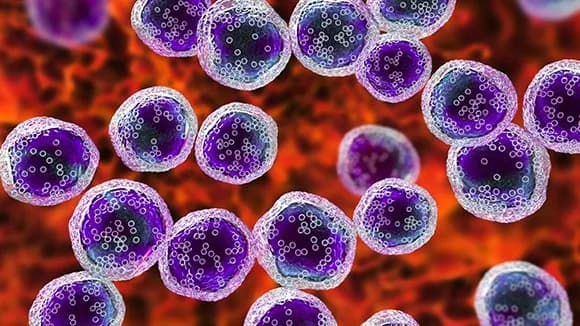
Bone marrow, found within the cavities of large bones, comprises both a liquid and solid component. It serves as the primary site for the production of various types of blood cells: - Red blood cells are responsible for oxygen transport throughout the body. - White blood cells are crucial for the body's immune response against infections and diseases. - Platelets, which aid in blood clotting and regulate bleeding.
While discomfort may occur during the procedures, local anaesthesia is typically used to minimize pain. Sedation may also be provided to help relax the patient.
Recovery time is usually brief. Most patients can resume normal activities shortly after the procedures. Some may experience mild discomfort or bruising at the biopsy site, which typically resolves within a few days.
The samples collected during the procedures are sent to a laboratory for analysis. Results are typically available within a few days to a week, depending on the tests performed. Your healthcare provider will discuss the findings with you once they are available.
Contact your healthcare provider immediately if you notice any of the following signs of a complication: a. Excessive bleeding or discharge from the biopsy site. b. Swelling at the biopsy site. c. Redness, mainly if it spreads beyond the site. d. Fever or increased pain.
Logo

To Book an appointment : +91 9829030011

For emergency : 0141-4101111

For Ambulance : +91 9929380108

care@apexhospitals.com

Download Our App

Quick Links

Find a doctor

About Us

Specialities

Careers

Contact Us

Privacy Policy

Disclaimer

Terms And Conditions

Academics

Apex Samvad

Resources

Events

News

Diseases

Health Checkup

Bio Medical Waste

EHSS Policy

NABH & NABL Certificates

Internal Grievance

External Grievance

CSR Policy

Locations

Apex Hospital - Malviya Nagar

Apex Hospital - Mansarovar

Apex Hospital - Sawai Madhopur

Apex Hospital - Jhunjhunu

Apex Hospital - Bikaner

Apex Hospital - Sri Ganganagar

Apex Hospital - Udaipur

Apex Hospital - Lucknow

Download on the App Store 
GET IT ON Google Play 

Powered By Docfyn

Blogs

Multiple Myeloma: When Is a Stem Cell Transplant Needed?

September 4, 2026

Read More
Migraine Symptoms, Triggers & Treatment | Apex Hospitals

September 2, 2026

Read More
When Does Chronic Kidney Disease Need a Kidney Transplant?

August 15, 2026

Read More
Common Neurological Diseases in India: Prevalence, Risk Factors & Expert Care in Jaipur

August 14, 2026

Read More
Leukemia and Lymphoma: How Bone Marrow Transplant Changes the Outcome

August 8, 2026

Read More
Brain and Spine Problems: Common Causes, Risk Factors, and Treatment Options

August 8, 2026

Read More
Vascular Trauma: Why the Golden 6 Hours Can Save Your Limb

August 4, 2026

Read More
Support After Kidney Transplant: Your Complete Recovery Guide

August 1, 2026

Read More
Robotic Knee Replacement in Jaipur: What Patients Need to Know in 2026

July 30, 2026

Read More
Why Do Some Patients Need Surgery for Hernia, Gallstones or Abdominal Problems?

July 28, 2026

Read More
Types of Blood Cancer That Require a Bone Marrow Transplant

July 27, 2026

Read More
Understanding the Causes of Acute Respiratory Failure

July 23, 2026

Read More