Logo

Get Your Surgery Cost Estimate. Know the Price Before You Decide

Receive a detailed surgery cost estimate based on your diagnosis and treatment plan. Our experienced surgical teams and modern infrastructure ensure safe outcomes. Plan your procedure with clarity, confidence, and complete medical transparency.

Quick Appointment

Fill in your details to get started

What is Apheresis?

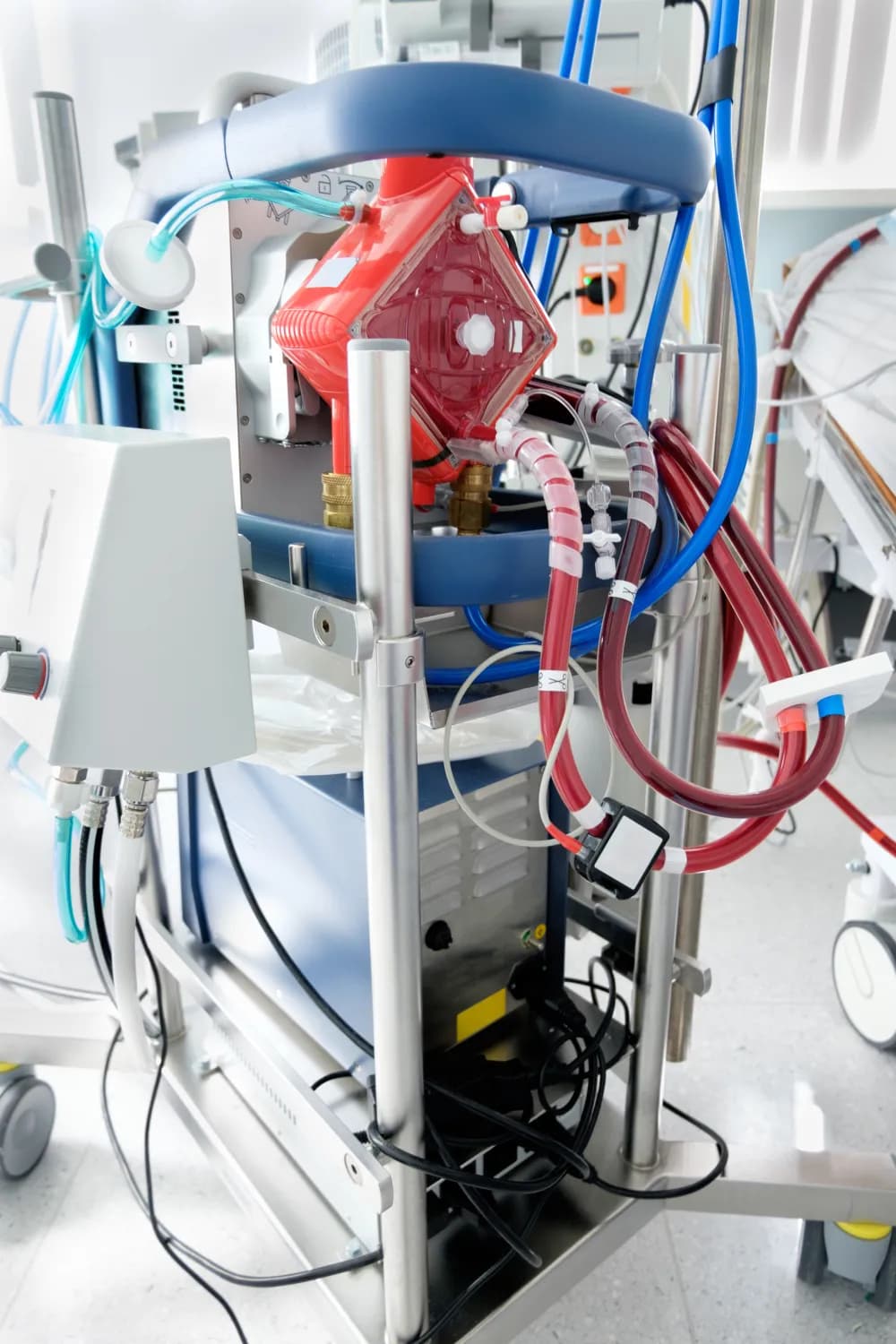
Apheresis is a medical procedure that involves removing specific components from a person's blood and returning the remaining blood components to the body. This process allows for the selective removal of certain blood constituents, such as plasma, platelets, red blood cells, or white blood cells, depending on the individual's medical condition and treatment needs. Apheresis is commonly used to treat various conditions, including autoimmune disorders, certain cancers, and diseases related to blood cells or plasma.

Each patient must make an individual decision regarding this procedure. For many, the process may resemble dialysis, where blood is diverted to an external device before being returned to the patient's body.

When deciding, patients can request their doctor to explain the procedure, its objectives, associated risks and benefits, and any alternative therapies that may be suitable.

Examples of apheresis procedures encompass:

  1. Plasmapheresis - extraction of plasma
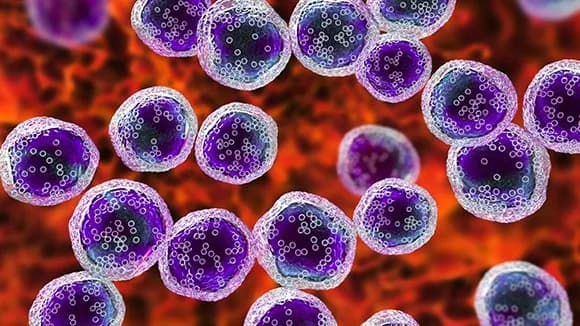
  2. Leukapheresis - withdrawal of white blood cells
  3. Granulocytapheresis - elimination of granulocytes (neutrophils, eosinophils, and basophils)
  4. Lymphocytapheresis - elimination of lymphocytes
  5. Lymphoplasmapheresis - simultaneous removal of lymphocytes and plasma
  6. Plateletpheresis or Thrombocytapheresis - separation of platelets

Frequently Asked Questions

We've compiled a list of the most frequently asked questions to help you find the information you need quickly and easily.

Unlike regular blood donation, where whole blood is collected and separated into its components later, apheresis allows for the selective removal or collection of specific blood components while returning the remaining blood components to the donor.
Apheresis treats various medical conditions, including autoimmune disorders, certain neurological diseases, hematological disorders, and organ transplantation.
Apheresis is generally considered safe when performed by trained medical professionals. However, like any medical procedure, there are potential risks and side effects, typically minimal and transient.
The duration of an apheresis procedure can vary depending on the type of procedure and the individual's specific condition but it usually lasts between one to three hours.
Common side effects of apheresis may include mild discomfort at the needle insertion site, light-headedness, or changes in blood pressure. Rare complications may include allergic reactions, infection, or blood clotting issues.