Logo
Logo
DoctorsBook Appt.Call

Contact Us

Medicine UnmaskedCall Emergency Helpline
Logo

Book appointment

Contact Us

Medicine UnmaskedCall Emergency Helpline
Logo

Book appointment

Get Your Surgery Cost Estimate. Know the Price Before You Decide

Receive a detailed surgery cost estimate based on your diagnosis and treatment plan. Our experienced surgical teams and modern infrastructure ensure safe outcomes. Plan your procedure with clarity, confidence, and complete medical transparency.

Quick Appointment

Fill in your details to get started

What is Laparoscopy?

Laparoscopy, also called keyhole surgery or minimally invasive surgery, is a surgical technique that enables a surgeon to access the abdominal and pelvic regions without the need for large incisions in the skin. It involves using specialized instruments and a laparoscope, a thin tube with a camera and a light source, allowing the surgeon to visualize and operate internally precisely. This approach offers several advantages over traditional open surgery, including reduced scarring, shorter recovery times, and decreased post-operative discomfort.

When laparoscopic surgery is used?

Laparoscopy serves multiple purposes, including diagnosis and surgical intervention for various abdominal and pelvis conditions. It can aid in identifying and evaluating different health issues and performing surgical procedures such as organ removal or tissue biopsy for further analysis.

The application of laparoscopy is particularly prevalent in the following fields:

  • Gynaecology: Laparoscopy plays a crucial role in diagnosing and treating conditions related to the female reproductive system.
  • Gastroenterology: Laparoscopy is utilized to investigate and manage disorders that affect the digestive system.
  • Urology: Laparoscopy examines and treats conditions impacting the urinary system.

In these areas of medicine, laparoscopy has proven to be a valuable tool, providing minimally invasive access to the abdominal and pelvic regions for diagnostic and therapeutic purposes.

How is laparoscopic surgery done?

Laparoscopy is performed under general anaesthesia, ensuring you will not experience any pain or discomfort throughout the procedure. The surgeon creates one or more small incisions in the abdomen during the laparoscopy. These incisions serve as entry points for the laparoscope, small surgical instruments, and a tube to introduce gas into the abdomen. The introduction of gas aids in improving visibility and facilitating surgical skills. Once the laparoscopy is completed, the gas is released from the abdomen, and the incisions are closed with stitches. A dressing may be applied to the incision sites.

In many cases, it is possible to be discharged on the same day of the laparoscopy. However, depending on the specific circumstances, you may be required to stay overnight for observation and post-operative care.

How safe is laparoscopic surgery?

Laparoscopy is a frequently conducted procedure, and serious complications are uncommon.

Minor complications:

Minor complications following laparoscopy are relatively infrequent, affecting approximately 1 to 2 out of every 100 cases. These complications may include:

  • Infection
  • Minor bleeding and bruising around the incision
  • Nausea and vomiting

It is important to note that most laparoscopic procedures are successful and result in minimal complications. However, if you experience any concerning symptoms or have questions following the surgery, it is advisable to consult your healthcare provider at Apex Hospitals for appropriate guidance and support.

Serious Complications:

Serious complications following laparoscopy are estimated to occur in approximately 1 out of every 1,000 cases. These complications may include:

  • Organ damage
  • Major artery damage
  • Complications related to carbon dioxide use
  • Severe allergic reaction to general anaesthesia
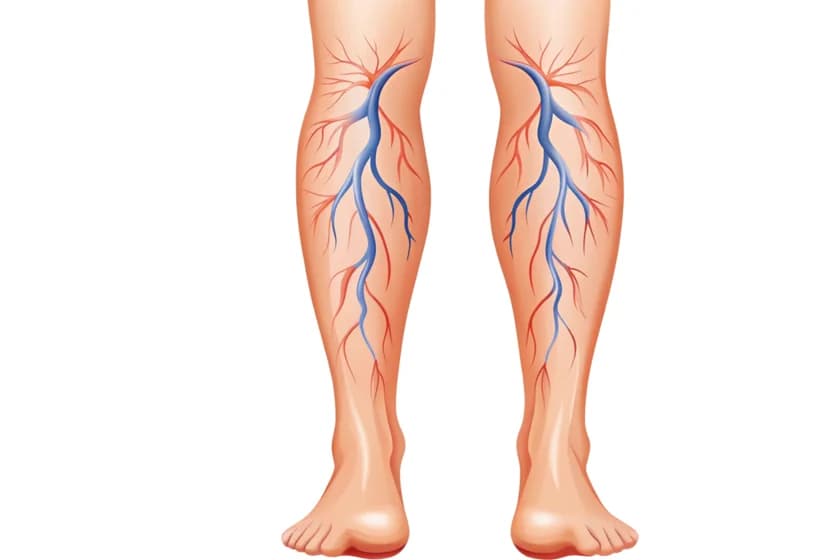
  • Blood clot formation: In rare cases, a blood clot (deep vein thrombosis or DVT) may develop in a vein, typically in the leg. If the clot dislodges and travels to the lungs, it can block blood flow (pulmonary embolism) and pose a severe risk.

It is crucial to remember that serious complications are rare, and laparoscopy is generally a safe procedure. However, discussing your concerns or questions with your healthcare provider before surgery at Apex Hospitals is essential.

Don't let surgery hinder your life. Choose Apex Hospitals for state-of-the-art laparoscopic care that minimizes scarring, reduces pain, and promotes faster recovery. Trust our expert surgeons to provide the best possible outcomes and get back to doing what you love sooner.


Frequently Asked Questions

We've compiled a list of the most frequently asked questions to help you find the information you need quickly and easily.

“If you can't find the answer to your question here, please don't hesitate to contact our support team for assistance.”

Yes, laparoscopic surgery is generally safe and widely performed. However, as with any surgery, there are potential risks, including bleeding, infection, or complications specific to the procedure.
Your doctor may recommend a light diet immediately after surgery. Dietary restrictions depend on the type of surgery performed.
Laparoscopic surgery is not suitable for all patients. Factors such as severe obesity, extensive scarring from previous surgeries, or certain medical conditions may require traditional open surgery.
Most patients can return to light activities within a week and resume everyday routines within 2-4 weeks. Avoid strenuous activities until your doctor approves.
Laparoscopic surgery results in small, minimally visible scars that fade over time.

Blogs

Multiple Myeloma: When Is a Stem Cell Transplant Needed?

September 4, 2026

Read More
Migraine Symptoms, Triggers & Treatment | Apex Hospitals

September 2, 2026

Read More
When Does Chronic Kidney Disease Need a Kidney Transplant?

August 15, 2026

Read More
Common Neurological Diseases in India: Prevalence, Risk Factors & Expert Care in Jaipur

August 14, 2026

Read More
Leukemia and Lymphoma: How Bone Marrow Transplant Changes the Outcome

August 8, 2026

Read More
Brain and Spine Problems: Common Causes, Risk Factors, and Treatment Options

August 8, 2026

Read More
Vascular Trauma: Why the Golden 6 Hours Can Save Your Limb

August 4, 2026

Read More
Support After Kidney Transplant: Your Complete Recovery Guide

August 1, 2026

Read More
Robotic Knee Replacement in Jaipur: What Patients Need to Know in 2026

July 30, 2026

Read More
Why Do Some Patients Need Surgery for Hernia, Gallstones or Abdominal Problems?

July 28, 2026

Read More
Types of Blood Cancer That Require a Bone Marrow Transplant

July 27, 2026

Read More
Understanding the Causes of Acute Respiratory Failure

July 23, 2026

Read More
Logo

To Book an appointment : +91 9829030011

For emergency : 0141-4101111

For Ambulance : +91 9929380108

care@apexhospitals.com

Download Our App

Quick Links

Find a doctor

About Us

Specialities

Careers

Contact Us

Privacy Policy

Disclaimer

Terms And Conditions

Academics

Apex Samvad

Resources

Events

News

Diseases

Health Checkup

Bio Medical Waste

EHSS Policy

NABH & NABL Certificates

Internal Grievance

External Grievance

CSR Policy

Locations

Apex Hospital - Malviya Nagar

Apex Hospital - Mansarovar

Apex Hospital - Sawai Madhopur

Apex Hospital - Jhunjhunu

Apex Hospital - Bikaner

Apex Hospital - Sri Ganganagar

Apex Hospital - Udaipur

Apex Hospital - Lucknow

Download on the App Store 
GET IT ON Google Play 

Powered By Docfyn