What is hernia repair surgery?
Surgery is the primary treatment for hernias, where an organ protrudes through the muscle or tissue wall enclosing it. Typically occurring in the abdomen or groin, hernia surgery entails the repositioning of the organ and herniated tissue, followed by reinforcing the surrounding barrier with stitches or surgical mesh. Herniorrhaphy serves as an alternate term for hernia surgery.
What are the different types of hernia repair surgery?
The primary types of hernia surgery include:
- Open (traditional) hernia repair surgery: In this approach, a surgeon makes a single incision to access the herniated tissue. The organs and tissue are repositioned, and surgical instruments are utilized to stitch the tissue back together, reinforcing it. Surgical mesh is often employed to add strength to the repaired tissue.
- Laparoscopic hernia repair surgery: This method, known as laparoscopy or "keyhole surgery," involves several small incisions (typically three or four). A thin tube with a tiny camera (laparoscope) is inserted through one incision, providing visual guidance via images projected onto a screen. Surgical instruments inserted through the other incisions allow for hernia repair.
- Robotic hernia repair surgery: A variation of laparoscopic surgery, robotic hernia repair utilizes robotic surgical instruments operated by the surgeon at a console. The surgeon controls the technology to repair the weakened tissue causing the hernia, enhancing precision and skill.
Who needs to have hernia repair surgery?
Not all hernias necessitate immediate treatment, but most eventually do as they typically deteriorate over time. Hernias manifest as bulges where internal tissue protrudes through a tear or opening in a muscle or tissue wall. They can induce uncomfortable symptoms such as pressure, discomfort, or pain. Depending on their location, hernias can impact adjacent organs and trigger complications.
For instance, in individuals with testicles, a hernia may protrude through a muscle wall and into the scrotum, resulting in swelling, discomfort during sexual activity, or other complications.
Surgical intervention may be necessary if a hernia produces symptoms or poses a risk of complications.
What happens during the hernia repair surgery?
The procedural steps vary depending on the type of hernia surgery required – open, laparoscopic, or robotic. Here's a general outline:
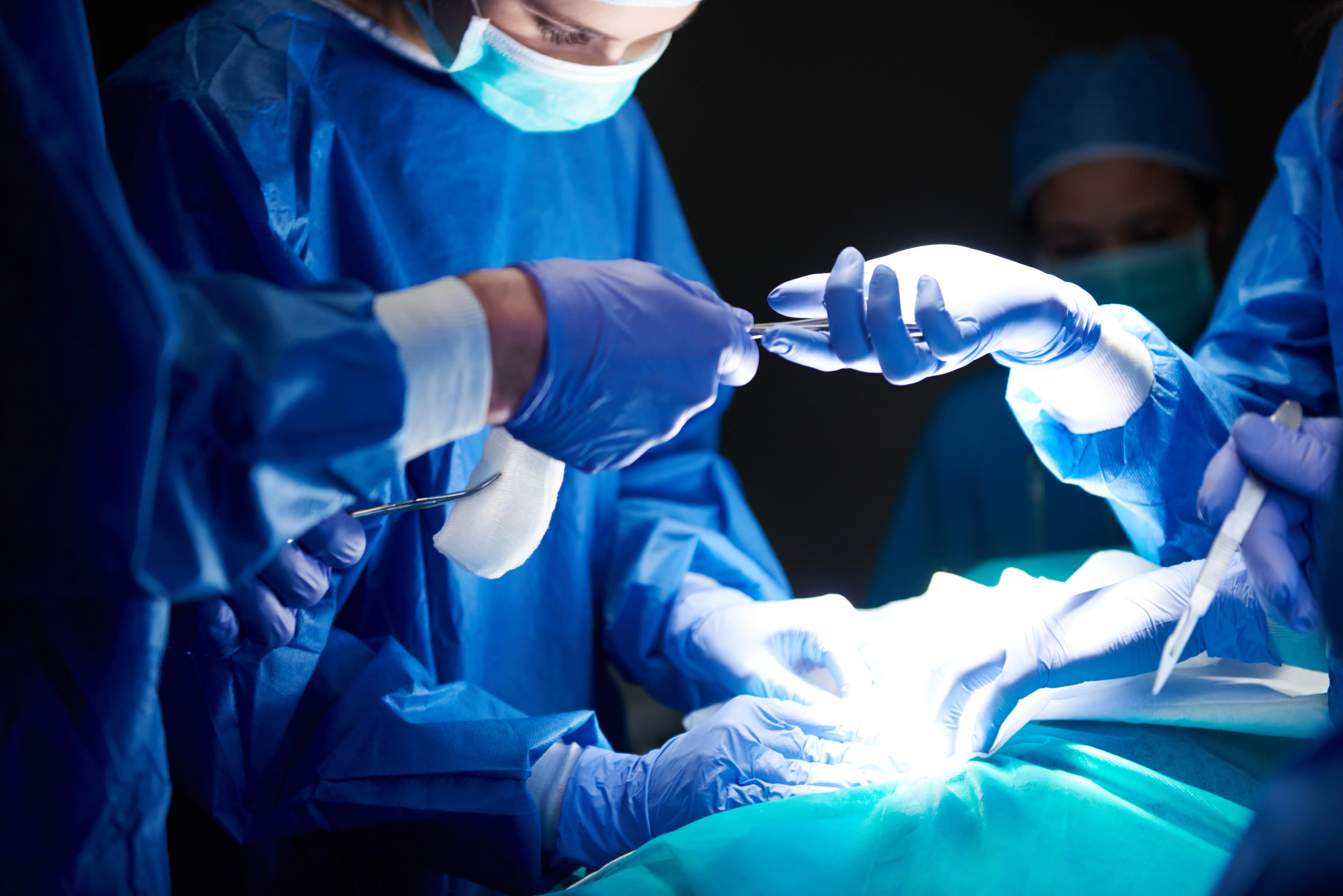
- Anaesthesia: You'll receive medication to prevent pain. General anaesthesia is typically administered for laparoscopic surgery, while local or regional anaesthesia may suffice for open surgeries. This ensures you're comfortable during the procedure.
- Incision: The surgeon makes a single incision several inches long for open surgery. In laparoscopic surgery, several small incisions (usually three or four, each about an inch long) are made.
- Repositioning and Repair: The surgeon carefully positions the herniated tissue back into place and reinforces the weakened surrounding tissue. This may involve suturing healthy tissue together to create a robust barrier wall. Surgical mesh is often utilized to provide additional support and reduce the risk of recurrence.
- Closure: Once the repair is complete, the surgeon sutures the incisions closed and dresses your wounds appropriately.
What are the complications of hernia repair surgery?
Like any surgical procedure, Hernia surgery carries certain risks and potential complications. Some are more immediate, while others may manifest over the long term. Your healthcare team will take measures to mitigate these risks as much as possible.
Short-term complications or side effects that may occur shortly after hernia surgery include:
- Infection at the incision site.
- Formation of seromas (fluid collection) or hematomas (blood collection).
- Injury to nearby tissues, organs, or blood vessels.
- Difficulty emptying the bladder, sometimes requiring temporary catheterization.
- Short-term pain and discomfort.
Complications that arise after recovery may necessitate a follow-up visit to your healthcare provider and include:
- Erosion or breakdown of the surgical mesh.
- Deep tissue infection around the surgical mesh.
- Hernia recurrence, although this is rare.
- Pain during sexual intercourse, particularly in men or individuals assigned male at birth (AMAB) due to potential nerve or blood vessel damage.
Some individuals may experience long-term pain known as post-herniorrhaphy neuralgia, lasting beyond three months. Treatment options for this condition may include medications or additional surgical intervention.
Speak to our experts about hernia repair surgery.
Seeking guidance on hernia repair surgery? Connect with our experts for comprehensive information and personalized advice tailored to your needs. Whether you're considering open, laparoscopic, or robotic surgery, our team addresses your concerns and guides you through the process. Schedule a consultation today to explore your options and ensure a successful hernia repair journey.