What exactly is laparoscopic surgery?
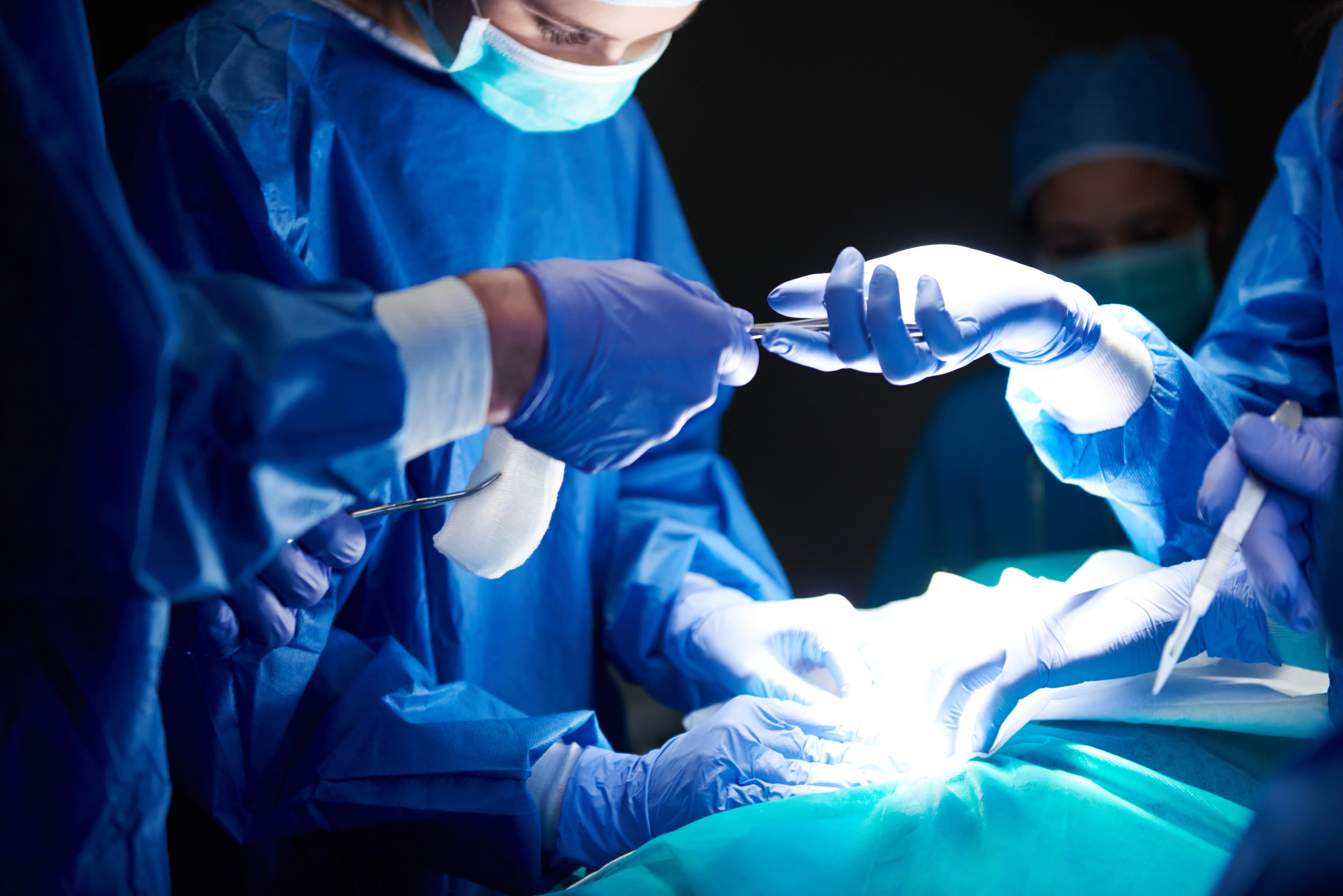
Laparoscopic surgery is a minimally invasive surgical technique performed in the abdomen and pelvis. It employs a laparoscope — a thin, telescopic rod with a camera at the end — to look into your body without completely opening it up. Laparoscopic surgery makes two to four small incisions of half an inch or less instead of the 6- to 12-inch cut required for open abdominal surgery. One holds the camera, while the others have the surgical instruments. Minimally invasive surgery is often known as "keyhole surgery" because of the small incisions.
What is a laparoscopy?
A laparoscopy is a type of exploratory surgery that employs a laparoscope. The surgeon examines your abdominal and/or pelvic chambers through one or two keyhole incisions. This is a less intrusive procedure than a laparotomy. It's frequently done for diagnostic purposes, to seek for issues that imaging tests haven't picked up on. During the check, the surgeon may obtain tissue samples for biopsy. They may also be able to treat minor issues during the laparoscopy, such as removing growths or obstructions discovered during the inspection.
Can laparoscopic surgery be performed on areas other than the abdomen and pelvis?
In various parts of the body, minimally invasive surgical methods are used. The approach may be identical outside the abdominal and pelvic areas, but it's named something different. A surgeon may use a thoracoscope to inspect your lungs through a keyhole incision in the chest cavity. A surgeon in the knee area may use an arthroscope. The scopes are labelled differently depending on what area of the body they inspect, but they are all modified variants of the same item.
Is laparoscopic surgery considered a major surgery?
There is no formal definition between "major surgery" and "minor surgery." They let healthcare workers compare procedures' complexity and danger and set recovery expectations. They may give different replies about laparoscopic surgery based on the nature and extent of the operation.
Laparoscopic surgery is minimally invasive due to small incisions and organ preservation. Laparoscopic operations are also more accessible. More complicated surgeries may not be safe with laparoscopy and must be changed to open surgery, which is major surgery.
However, laparoscopic operations remove organs, and you're accurate that any organ removal requires major surgery. These surgeries always risk bleeding, organ damage, internal scarring, and more. However, laparoscopic procedures are widespread, successful, and faster and simpler to recover from.
Is laparoscopic surgery safe?
It is at least as safe as open surgery, with some hazards minimized. Infection, blood loss, and post-operative problems such as wound separation and incisional hernia are reduced with more minor wounds. Laparoscopic surgery reduces direct contact between the surgeon and the patient, lowering the danger of germ transfer. It also lessens the hazards of prolonged bed rest, such as blood clots, by minimizing post-operative recovery time.
What should I do to be ready for my laparoscopic surgery?
Because most laparoscopic procedures are performed under general anaesthesia, you'll need to prepare in a few ways. You should only eat or drink something for at least eight hours before the operation. This is done to avoid nausea from the anaesthesia. Also, arrange for someone to drive you home following the surgery. You should be able to go home the same day but may be disoriented due to the anaesthesia. Your doctor may provide you with more specific drug instructions.
What occurs before the procedure?
When you arrive at the hospital, you will change into a hospital gown, and a nurse will take your vital signs to ensure that you are in good health for surgery. In some situations, they may perform additional tests before surgery, such as a blood test or an imaging examination of the operative site.
You will be taken to the surgery room when the testing is over. An IV (intravenous) line will be inserted into a vein in your arm or hand to give fluids and anaesthesia. A breathing tube will also be inserted into your throat to keep your airway open.
What takes place throughout the procedure?
A tiny incision at your abdominal button or pelvic bone starts the procedure. This first incision pushes Carbon dioxide into your abdominal or pelvic chambers. Laparoscopic surgery uses trocars as instrument ports. The surgeon will place the gas line through the first trocar to inflate your abdomen or pelvis. This removes the belly wall and makes organs easier to see on TV.
After inflating the cavity, the surgeon will remove the gas tube and place the laparoscope through the trocar. The TV monitor will receive real-time laparoscope footage of the surgery site. This will place the additional surgical instruments. They may put trocars into keyhole incisions, depending on the procedure. Laparoscopic surgery uses long, thin trocar-fitting devices.
During surgeries, a surgical drain can drain excess fluids like inflammation. A small tube drains fluid. After surgery, the tube may need to stay in your body to drain fluids. All stitches will be made after the surgery. Your body will emit gas before the wounds shut. Your surgical team will check your vital signs before removing your breathing tube and IV.
What occurs following the procedure?
You'll be transferred to a postoperative recovery room, where your vital signs will be monitored until you awaken. You may require a different type of pain medication at this stage. One typical side effect of laparoscopic surgery is gas discomfort caused by leftover carbon dioxide in the body. It may feel as if it is on your shoulders. This is because it stimulates a nerve that signals pain to the shoulder. This is typical and will pass in a day or two.
Depending on your unique procedure and how your body responds, you may be able to go home the same day, or you may need to stay overnight. When you return home, your healthcare team will teach you how to care for yourself. This would cover wound care, drain care, and food instructions, mainly if you had abdominal surgery. Before you depart, you'll also arrange a follow-up visit to check on your healing and have your fluid drain removed, if you have one.
What are some of the benefits of laparoscopic surgery?
- There is less trauma to the abdominal wall
- There is less blood loss.
- Haemorrhage risk is reduced.
- Smaller scars
- Infection risk is reduced.
- Shorter hospital stays.
- Quicker healing and return to activity.
- Less pain from wound healing.
- Less pain medication is required.
Book an appointment to get the best laparoscopic surgery in Jaipur.