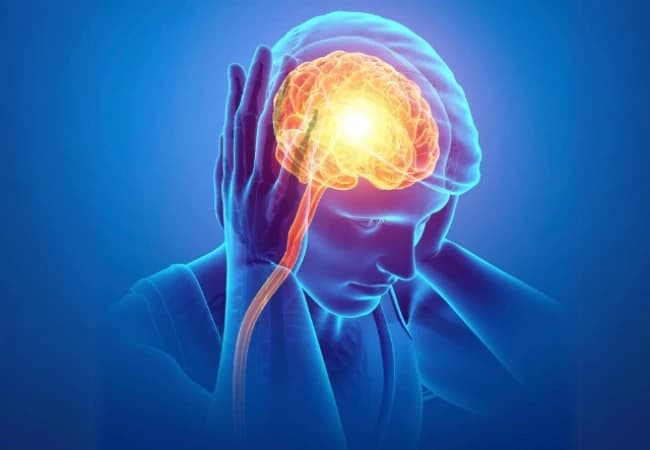
Regain control over your sleep and improve your overall well-being with specialised sleep disorder diagnosis and treatment at Apex Hospitals. Our team of expert sleep specialists uses advanced diagnostic tools and proven therapies to help you enjoy healthier, more restful nights.
What are sleep disorders?
Sleep disorders are conditions that disrupt your ability to get quality rest and stay alert during the day. There are more than 80 types of sleep disorders, each affecting:
- Sleep quality – how well and deeply you sleep.
- Sleep timing – when you fall asleep and how long you stay asleep.
- Sleep duration – how much sleep you get overall.
Occasional trouble sleeping is normal, but it may be a sign of a sleep disorder if you:
- Struggle to fall asleep or stay asleep on most nights.
- Feel tired or drowsy during the day despite getting 7+ hours of sleep.
- Notice difficulty focusing or performing routine tasks.
Sleep disorders can manifest in various ways, from difficulty falling asleep and waking up too often, to waking up too early, to excessive movement during sleep or breathing disruptions, such as sleep apnoea.
Why It Matters
Poor sleep doesn’t just make you tired; it can impact your mental clarity, mood, and overall health. Chronic sleep issues increase the risk of accidents, reduce work productivity, and may contribute to serious health problems like high blood pressure, heart disease, obesity, and diabetes.
The Good News
With the right diagnosis and treatment, most sleep disorders can be effectively managed, allowing you to restore healthy sleep patterns and enhance your overall quality of life.
Major Categories of Sleep Disorders
Sleep disorders are classified based on their symptoms, the way they affect the body, and their underlying causes. According to the latest International Classification of Sleep Disorders (ICSD-3R), these are the main categories:
- Insomnia – Difficulty falling asleep, staying asleep, or waking too early.
- Sleep-Related Breathing Disorders – Abnormal breathing patterns during sleep, such as in obstructive sleep apnoea.
- Central Disorders of Hypersomnolence – Excessive daytime sleepiness despite adequate nighttime rest.
- Circadian Rhythm Sleep-Wake Disorders – Misalignment between your body’s internal clock and the external day-night cycle, making it hard to sleep and wake at desired times.
- Parasomnias – Unusual behaviours or movements during sleep, like sleepwalking, sleep talking, or eating while asleep.
- Sleep-Related Movement Disorders – Repetitive movements or the urge to move, such as restless legs syndrome, that disrupt sleep.
Common Types of Sleep Disorders
While there are more than 80 identified sleep disorders, the most frequently diagnosed include:
- Chronic Insomnia – Trouble sleeping at least three nights a week for over three months, often leading to fatigue, mood changes, and poor concentration.
- Obstructive Sleep Apnoea (OSA) – Interrupted breathing during sleep due to airway blockage, often accompanied by loud snoring.
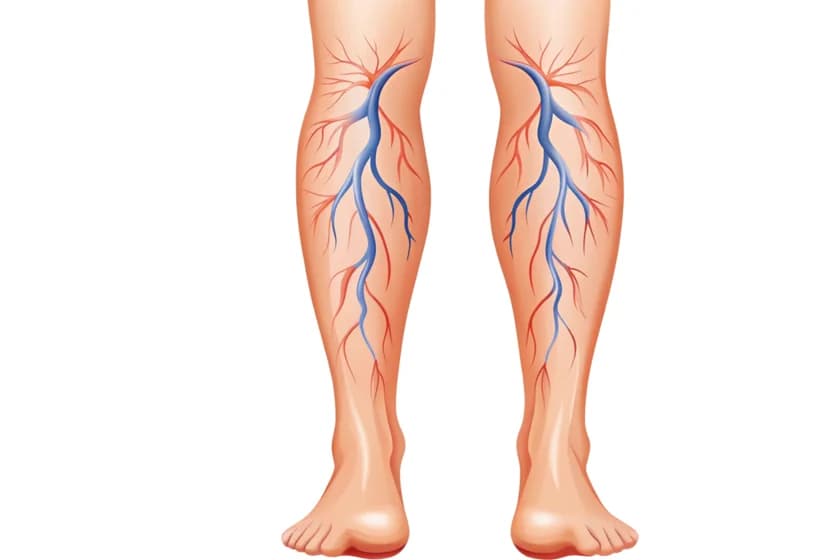
- Restless Legs Syndrome (RLS) – An uncontrollable urge to move the legs, especially when resting.
- Narcolepsy – Sudden, uncontrollable episodes of sleep during the day.
- Shift Work Sleep Disorder – Sleep disruption caused by irregular work schedules or night shifts.
- Delayed Sleep Phase Syndrome (DSPS) – Falling asleep much later than desired and struggling to wake up in time for daily responsibilities.
- REM Sleep Behaviour Disorder – Acting out vivid dreams during the rapid eye movement (REM) stage of sleep, sometimes leading to injury.
What are the symptoms of sleep disorders?
- Difficulty falling asleep at night (insomnia)
- Waking up frequently during the night or too early in the morning
- Feeling excessively sleepy or fatigued during the day
- Loud snoring, choking, or gasping during sleep (possible sleep apnoea)
- Unusual movements or behaviours during sleep, such as sleepwalking or talking
- Restless, uncomfortable sensations in the legs (restless legs syndrome)
- Acting out dreams (possible REM sleep behaviour disorder)
- Difficulty staying awake during work, school, or driving
- Trouble concentrating, remembering things, or staying alert
- Mood changes such as irritability, anxiety, or depression due to poor sleep
Why Choose Apex Hospitals for Sleep Disorder Care?
- NABH-accredited sleep lab with advanced monitoring systems
- Board-certified sleep medicine specialists
- Comprehensive diagnosis and personalised treatment plans
- Affordable pricing & insurance support
- 24x7 emergency care for critical cases
Who Should Seek Help for a Sleep Disorder?
You should consult a sleep specialist if you have:
- Persistent difficulty falling or staying asleep
- Loud snoring or pauses in breathing during sleep
- Excessive daytime sleepiness
- Unexplained fatigue despite sleeping enough hours
- Difficulty concentrating, memory issues, or mood changes
- Unusual behaviours during sleep, such as sleepwalking
What to Expect During a Sleep Disorder Evaluation
- Detailed Medical History – Your doctor will ask about your sleep habits, lifestyle, and any symptoms you’ve noticed.
- Physical Examination – To check for signs of underlying conditions affecting your sleep.
- Sleep Diary – You may be asked to record your sleep patterns over 1–2 weeks.
- Questionnaires – Tools like the Epworth Sleepiness Scale to measure sleepiness levels.
- Sleep Study (Polysomnography) – If needed, you’ll spend a night in a sleep lab to monitor breathing, brain waves, heart rate, and movements.
- Home Sleep Test – For certain disorders, you may use a portable device at home.
- Discussion of Results & Plan – Your doctor will explain findings and suggest treatments or lifestyle changes.
Benefits of Early Diagnosis
- Better Sleep Quality – Timely treatment helps restore healthy sleep patterns.
- Improved Daytime Alertness – Reduces fatigue, brain fog, and mood changes.
- Lower Health Risks – Prevents complications like high blood pressure, heart disease, or diabetes.
- Better Mental Health – Supports emotional well-being and reduces anxiety or depression linked to poor sleep.
- Enhanced Work & Daily Performance – Improves focus, memory, and productivity.
- Less Severe Treatment – Early intervention often means simpler, more effective treatment.
Doctor’s Insight
"Poor sleep isn’t just a nuisance; it’s a serious health risk. Early diagnosis of a sleep disorder can prevent long-term complications and restore your quality of life." – Dr. Vijayant Solanki, Senior Consultant-Pulmonary Medicine, Apex Hospitals
“Don’t let sleepless nights steal your health – Book Your Sleep Evaluation Today!”