Logo
Logo
DoctorsBook Appt.Call

Contact Us

Medicine UnmaskedCall Emergency Helpline
Logo

Book appointment

Contact Us

Medicine UnmaskedCall Emergency Helpline
Logo

Book appointment

Get Your Surgery Cost Estimate. Know the Price Before You Decide

Receive a detailed surgery cost estimate based on your diagnosis and treatment plan. Our experienced surgical teams and modern infrastructure ensure safe outcomes. Plan your procedure with clarity, confidence, and complete medical transparency.

Quick Appointment

Fill in your details to get started

What is ECMO?

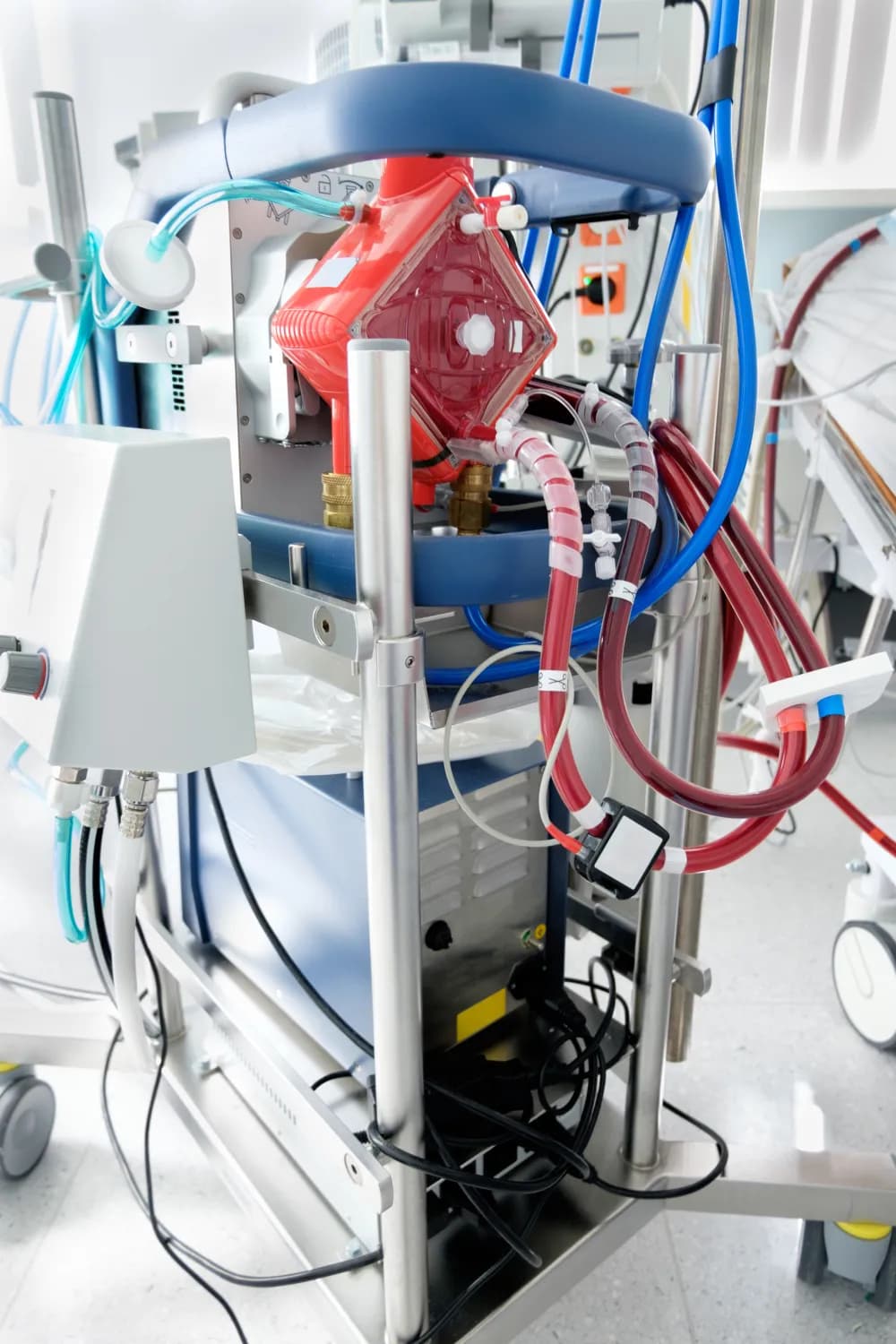
Extracorporeal membrane oxygenation (ECMO) is a form of artificial life support that can assist a patient whose lungs and heart are not functioning properly. Continuous extracorporeal membrane oxygenation (ECMO) removes blood from the body and transfers it through devices that add oxygen and remove carbon dioxide. The heart then circulates blood back into the body.

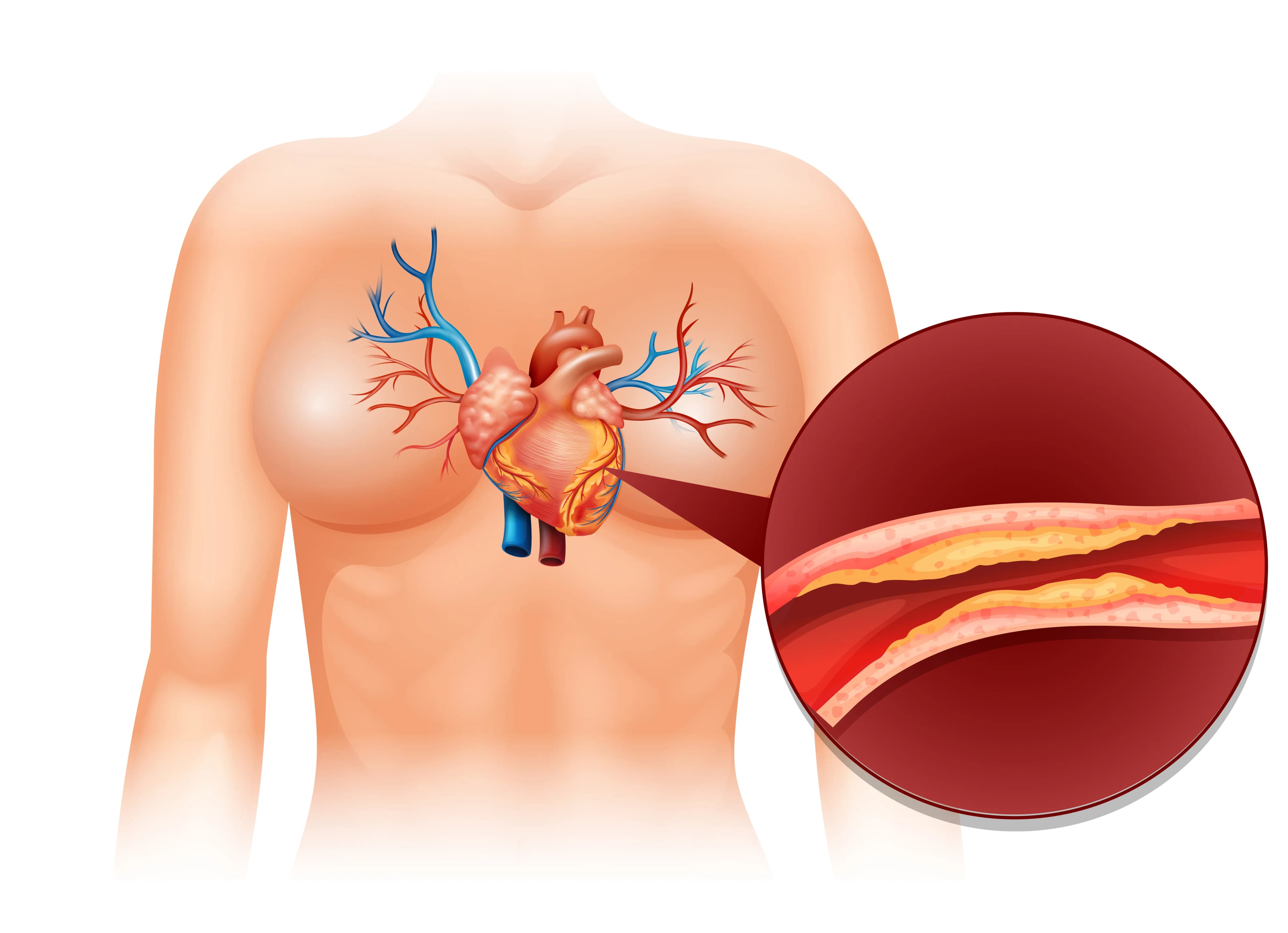
Treatment with ECMO can be exceptionally beneficial in allowing the heart and lungs to rest and recover from a respiratory infection, heart attack, or trauma.

Who can benefit from ECMO treatment?

ECMO treatment is recommended by doctors for individuals experiencing severe trauma, infection, cardiac arrest, lung failure, or heart failure. It is used to stabilize critically ill patients while doctors diagnose their condition or initiate treatment. ECMO can also provide vital support for oxygenating the blood and maintaining circulation for individuals awaiting heart or lung transplants.

How is ECMO preparation handled?

Given that ECMO is a life-saving procedure, it typically occurs in an emergency care setting, where the medical team, including the doctor, prepares the patient for the treatment.

The ECMO Procedure:

Placement on ECMO involves a surgical procedure, typically performed in the patient's room. Here's what to expect:

  1. Sedation and Medication: The patient receives sedation, pain relief, and an anti-coagulant to prevent blood clotting.
  2. Catheter Insertion: A surgeon, supported by an operating room team, inserts ECMO catheters into arteries or veins. X-rays confirm their correct placement.
  3. Ventilator Support: Most ECMO patients also require a ventilator to aid lung healing during treatment.
  4. Specialized Monitoring: Specially trained nurses, respiratory therapists, surgeons, and the surgical team closely monitor the patient throughout ECMO therapy.
  5. Nutritional Support: While sedated with a breathing tube, nutrition is delivered intravenously or through a nasal-gastric tube.
  6. Medications: Various medications may be administered, including heparin to prevent blood clots, antibiotics to prevent infections, sedatives for comfort, diuretics to manage fluids, electrolytes to balance salts and sugars, and blood products if needed.

Discontinuation of ECMO:

To end ECMO therapy, a surgical procedure is required to remove the tubes. Several tests are conducted to ensure the patient's heart and lungs are ready. Once the ECMO cannulas are removed, the vessels are repaired, either at the bedside or in the operating room. The doctor uses small stitches to close the insertion site, and the patient is monitored while asleep. Even after ECMO discontinuation, ventilator support may still be necessary.

Potential Risks of ECMO:

  • Bleeding: There is a risk of bleeding, often associated with the medication administered to prevent clotting in the tubing.
  • Infection: Infections may occur at the insertion sites of the tubes where they enter the body.
  • Transfusion Complications: Individuals on ECMO may require blood products, which can introduce potential complications.
  • Formation of Clots or Air Bubbles: Small clots or air bubbles can develop within the tubing, posing a risk.
  • Elevated Stroke Risk: There is an increased likelihood of stroke associated with ECMO treatment.

Frequently Asked Questions

We've compiled a list of the most frequently asked questions to help you find the information you need quickly and easily.

“If you can't find the answer to your question here, please don't hesitate to contact our support team for assistance.”

The duration varies depending on the patient's condition. It can range from a few days to several weeks. Prolonged ECMO use may increase the risk of complications.
ECMO is not a cure but a life-support system. It serves as a bridge to recovery, surgery, or a transplant, allowing the heart and lungs to heal or stabilizing the patient until further treatment is possible.
No, ECMO is reserved for patients with reversible conditions or those awaiting transplants. It is not suitable for patients with severe, irreversible conditions.
Yes, ECMO is commonly used in neonatal and pediatric intensive care units for conditions like congenital heart defects or respiratory distress syndrome.
A ventilator supports breathing by mechanically moving air into the lungs. ECMO entirely bypasses the lungs and heart, providing oxygenation and circulation outside the body.
Logo

To Book an appointment : +91 9829030011

For emergency : 0141-4101111

For Ambulance : +91 9929380108

care@apexhospitals.com

Download Our App

Quick Links

Find a doctor

About Us

Specialities

Careers

Contact Us

Privacy Policy

Disclaimer

Terms And Conditions

Academics

Apex Samvad

Resources

Events

News

Diseases

Health Checkup

Bio Medical Waste

EHSS Policy

NABH & NABL Certificates

Internal Grievance

External Grievance

CSR Policy

Locations

Apex Hospital - Malviya Nagar

Apex Hospital - Mansarovar

Apex Hospital - Sawai Madhopur

Apex Hospital - Jhunjhunu

Apex Hospital - Bikaner

Apex Hospital - Sri Ganganagar

Apex Hospital - Udaipur

Apex Hospital - Lucknow

Download on the App Store 
GET IT ON Google Play 

Powered By Docfyn

Blogs

Multiple Myeloma: When Is a Stem Cell Transplant Needed?

September 4, 2026

Read More
Migraine Symptoms, Triggers & Treatment | Apex Hospitals

September 2, 2026

Read More
When Does Chronic Kidney Disease Need a Kidney Transplant?

August 15, 2026

Read More
Common Neurological Diseases in India: Prevalence, Risk Factors & Expert Care in Jaipur

August 14, 2026

Read More
Leukemia and Lymphoma: How Bone Marrow Transplant Changes the Outcome

August 8, 2026

Read More
Brain and Spine Problems: Common Causes, Risk Factors, and Treatment Options

August 8, 2026

Read More
Vascular Trauma: Why the Golden 6 Hours Can Save Your Limb

August 4, 2026

Read More
Support After Kidney Transplant: Your Complete Recovery Guide

August 1, 2026

Read More
Robotic Knee Replacement in Jaipur: What Patients Need to Know in 2026

July 30, 2026

Read More
Why Do Some Patients Need Surgery for Hernia, Gallstones or Abdominal Problems?

July 28, 2026

Read More
Types of Blood Cancer That Require a Bone Marrow Transplant

July 27, 2026

Read More
Understanding the Causes of Acute Respiratory Failure

July 23, 2026

Read More