What is Chest Pain in Pulmonology?
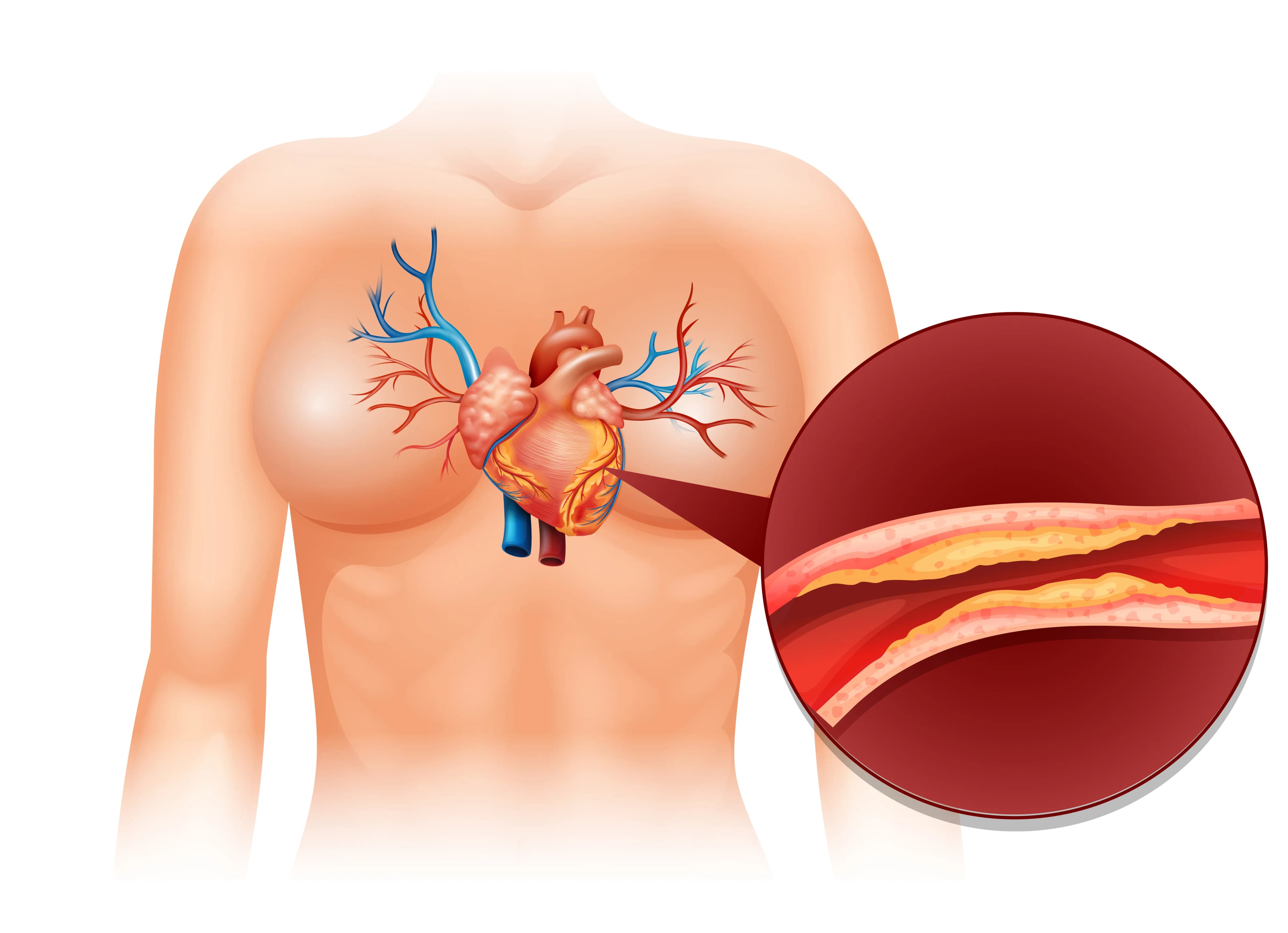
Chest pain refers to any discomfort, tightness, or pressure felt in the chest area. It can be sharp or dull, and sometimes feels like squeezing, heaviness, or aching. While it may radiate to the shoulders, arms, neck, or jaw, chest pain can also stay localized to one side, left, right, or centre.
In lung-related conditions, chest pain may worsen with deep breathing, coughing, or physical activity, and sometimes it appears even while resting. It can last for a few minutes, persist for hours, or become a long-term issue if the underlying cause is not treated.
Because chest pain can also signal life-threatening problems, including severe respiratory emergencies, it’s important to seek medical attention promptly. A pulmonologist can identify whether the cause lies in the lungs and start targeted treatment before complications develop.
Pulmonology-related causes of chest pain
Although chest pain is often associated with heart problems, many cases are linked to the lungs
- Pneumonia – Infection of the lungs causing sharp pain, fever, and difficulty breathing.
- Pleuritis (Pleurisy) – Inflammation of the lining around the lungs, leading to stabbing pain during deep breaths or coughing.
- Pulmonary Embolism – A blood clot in the lungs that can cause sudden, severe chest pain and shortness of breath (a medical emergency).
- Asthma or COPD flare-ups – Tightness in the chest along with wheezing and breathlessness.
- Tuberculosis (TB) – Persistent chest pain with cough, sometimes with blood in sputum.
- Lung Cancer – Ongoing or unexplained chest discomfort, sometimes accompanied by weight loss or coughing up blood.
Because chest pain can also signal life-threatening respiratory emergencies, it’s important to seek prompt medical attention. A pulmonologist can determine if the cause lies in the lungs and start targeted treatment before complications develop.
Why Choose Apex Hospitals for Chest Pain Evaluation?
- NABH-accredited multi-specialty hospital with advanced pulmonary care.
- Dedicated Pulmonology Unit with 24x7 emergency support.
- Advanced diagnostic tools – Chest X-ray, CT scan, Pulmonary Function Test (PFT), arterial blood gas analysis.
- Experienced pulmonologists available round-the-clock.
- Rapid diagnosis and treatment for emergency lung conditions.
Who Should Seek Pulmonology Care for Chest Pain?
You should see a pulmonologist immediately if you have:
- Chest pain with shortness of breath or wheezing.
- Pain that worsens when you breathe deeply or cough.
- Persistent cough with fever or blood in sputum.
- History of asthma, COPD, or lung infections with new pain.
- Sudden chest pain after prolonged travel or immobility (possible clot).
What to Expect During Chest Pain Evaluation
When you visit a pulmonologist or emergency department for chest pain, the goal is to quickly identify the cause and rule out serious lung or heart conditions. At Apex Hospitals, our chest pain evaluation is thorough, systematic, and designed for early diagnosis.
Detailed Medical History
- You’ll be asked about your symptoms, when they started, their duration, and any triggers such as physical activity, coughing, or breathing deeply.
- We’ll also review your medical history, lifestyle, and risk factors like smoking, previous lung infections, or clotting disorders.
Physical Examination
- The doctor will listen to your lungs and heart using a stethoscope to detect abnormal sounds like wheezing, crackles, or fluid buildup.
- Oxygen levels, heart rate, and breathing rate will be checked.
Diagnostic Tests
- Chest X-ray – To detect infections, lung collapse, fluid, or tumours.
- Electrocardiogram (ECG) – To rule out heart-related causes.
- CT scan or MRI – For a detailed look at lung structures and blood vessels.
- Blood Tests – To check for infections, clotting issues, or heart markers.
- Pulmonary Function Tests – To measure lung capacity if asthma or COPD is suspected.
Immediate Symptom Management
If you are in distress, oxygen therapy, inhalers, or medications may be given right away.
Follow-up Plan
- Depending on the diagnosis, you may need antibiotics, anti-inflammatory medication, anticoagulants, or further pulmonary treatment.
- Lifestyle guidance and preventive measures will also be discussed.
Tip from our experts: Never ignore chest pain, whether mild or severe, especially if it comes with shortness of breath, dizziness, or coughing up blood.
Benefits of Early Pulmonology Diagnosis for Chest Pain
- Detects serious conditions like pulmonary embolism early.
- Prevents complications from untreated lung infections.
- Improves treatment success in chronic lung diseases.
- Reduces hospital stay and recovery time.
- Gives peace of mind with a clear diagnosis and action plan.
Doctor’s Insight
"Many patients think chest pain means heart problems, but lung conditions are a common cause, especially in smokers, those with chronic cough, or recent infections. Quick evaluation is key to saving lives." – Dr. Mehul Agarwal, Consultant – Pulmonology, Apex Hospitals
Breathe easy, let our experts find the cause of your chest pain today. Book your appointment now.